close
Choose Your Site
Global
Social Media
Views: 0 Author: Site Editor Publish Time: 2026-08-13 Origin: Site


Table of Contents
Did you know Printing Machines shapes how products reach consumers? Printing machines play a vital role in this process. They ensure packaging is attractive and informative. In commercial and industrial sectors, printing machines boost efficiency and quality. Packaging machinery integrates printing with cutting and finishing seamlessly. In this post, you’ll learn about types, features, and applications of commercial and industrial printing machines. Discover how they optimize packaging production.
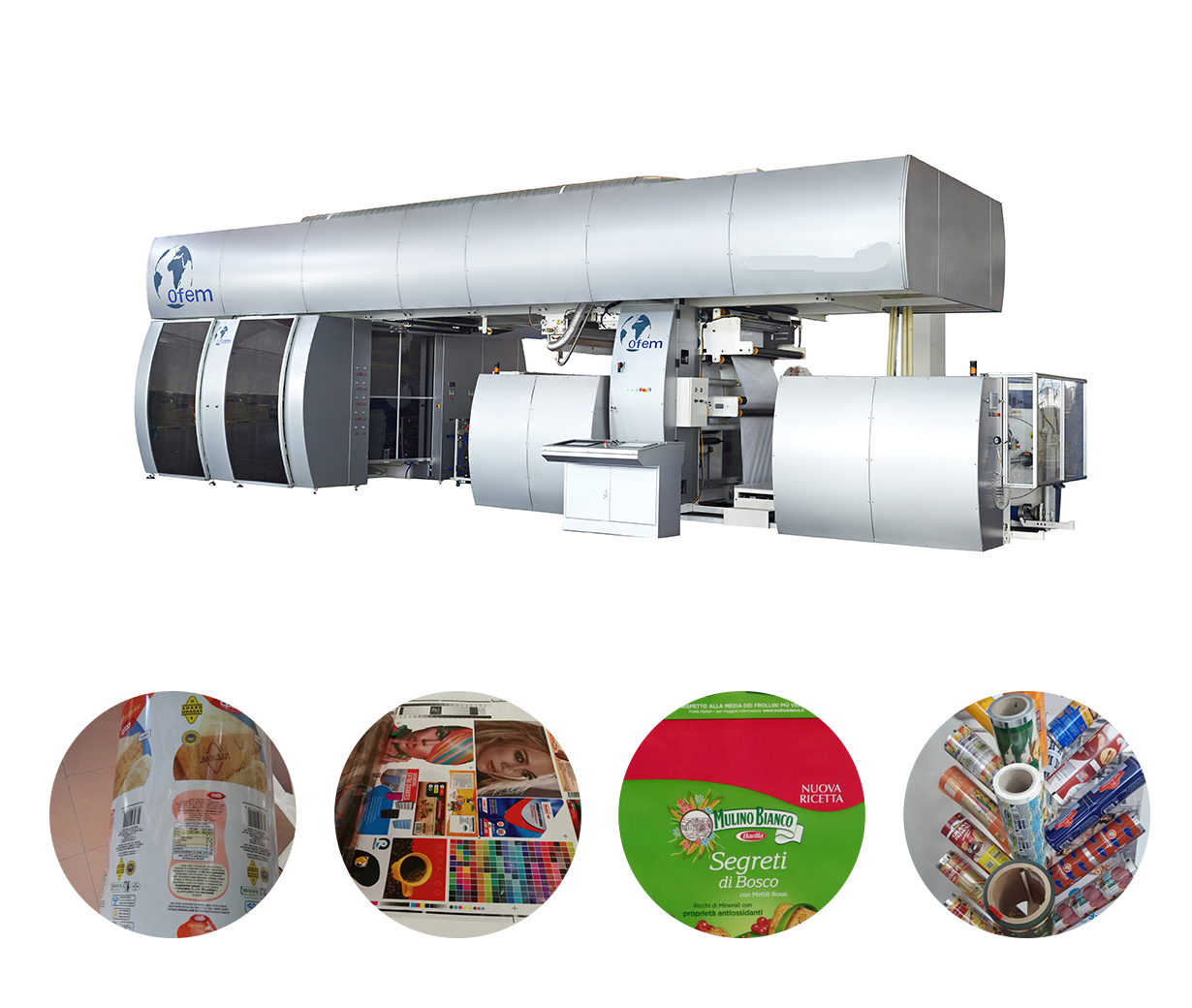
Flexographic printing machines use flexible rubber or photopolymer plates to transfer ink onto various substrates. They excel in printing on paper, plastic films, foils, and corrugated boards. These machines are popular for packaging due to their high speed—often reaching up to 200 meters per minute—and ability to handle water-based, solvent-based, and UV-curable inks. Flexo presses integrate well with inline processes like die cutting, lamination, and slitting, making them highly efficient for producing labels, food packaging, paper cups, and shrink sleeves. Their quick drying time and cost-effectiveness suit medium to large production runs.
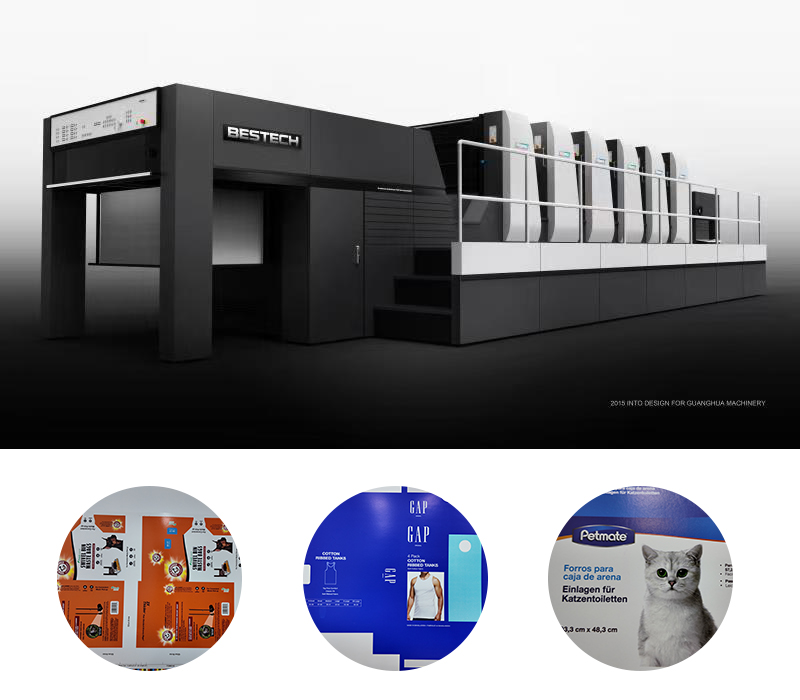
Offset printing machines transfer ink from aluminum plates to rubber blankets, then onto the substrate. They offer excellent color fidelity and sharp image quality, ideal for high-volume jobs. Offset presses work best on paper and cardboard, making them a staple in book, magazine, brochure, and packaging box production. They come in sheet-fed and web-fed configurations, supporting various print sizes and volumes. While setup costs are higher, offset printing is economical for long runs and delivers consistent results, especially when precise color matching is crucial.
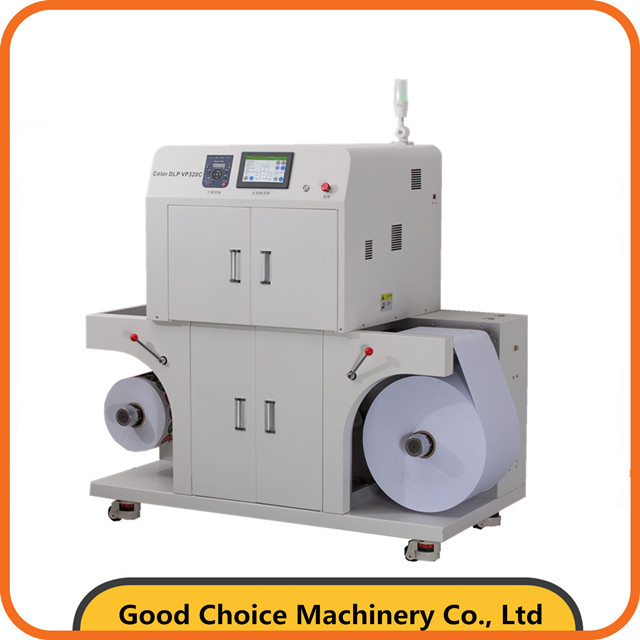
Digital printing machines print directly from digital files without plates. This allows quick setup and low startup costs, perfect for short runs and personalized packaging. They use inkjet or laser technology to produce vibrant, high-resolution prints on paper, cardstock, and some flexible packaging materials. Digital presses support variable data printing, enabling customized labels and promotional materials. Though slower and less cost-effective for large volumes, they offer flexibility and fast turnaround, ideal for small businesses or projects needing frequent design changes.
Gravure and rotogravure presses use engraved cylinders to deposit ink onto substrates. These machines deliver outstanding print quality with rich colors and fine details, suitable for premium packaging and high-volume runs. Gravure is commonly used for flexible films, gift wraps, wallpaper, and catalogs. Rotogravure specializes in very high-speed continuous roll printing, making it efficient for large volumes like food wraps and security printing. The high setup cost is offset by excellent durability and consistent image quality throughout long runs.
Screen printing presses force ink through mesh screens to print on various surfaces, including fabric, glass, ceramics, and plastics. This method is ideal for thick inks and special effects like raised textures or metallic finishes. Screen printing suits promotional products, signage, and textiles but is slower and less suited for high-volume packaging.
Pad printing uses silicone pads to transfer ink onto 3D or curved objects. It excels in printing small logos or designs on irregular surfaces such as pens, toys, bottle caps, and medical devices. Both methods address challenges where flatbed printing presses cannot reach.
Laser printers use focused beams to produce high-resolution images, commonly for office documents, barcodes, and industrial coding. Inkjet printers spray ink droplets directly onto materials, suitable for wide-format banners, photo printing, and packaging prototypes. Both technologies offer fast, flexible printing for variable data and marking but differ in substrate compatibility and print durability.
Letterpress printing presses create raised impressions on paper or cardstock, producing tactile, vintage-style effects. Though less common today, they remain popular for luxury packaging, wedding invitations, and business cards. Their unique embossing adds a premium feel that digital or offset machines cannot replicate. Skilled operators are essential to achieve consistent quality in letterpress printing.
Tip: When selecting printing machines for packaging, consider substrate type and production volume first to match the machine's strengths with your product requirements efficiently.

Printing speed is crucial for packaging machinery. Faster machines boost production capacity and reduce lead times. Flexographic presses, for example, can reach speeds up to 200 meters per minute, making them ideal for medium to large runs. Rotogravure machines can run even faster, exceeding 300 meters per minute, perfect for very high-volume jobs. However, speed should not compromise print quality. Balancing throughput and precision ensures consistent, high-quality output.
Print resolution defines the detail and sharpness of images. Packaging often demands high-quality visuals to attract consumers. Gravure and rotogravure presses offer resolutions above 300 lpi (lines per inch), delivering rich colors and fine details. Flexographic machines usually provide resolutions around 150-200 lpi, suitable for many packaging needs. Digital presses can achieve high resolution too but are better for short runs or personalized prints. Choosing the right resolution depends on the packaging type and brand expectations.
Packaging materials vary widely: paper, cardboard, plastic films, foils, and more. Machinery must handle substrates without damaging them or compromising print quality. Flexographic presses excel at printing on flexible films, paper, and corrugated boards. Gravure presses work well on plastic films and foils, offering durability. Offset presses suit paper and cardboard products like boxes and brochures. Screen printing handles irregular or textured surfaces, such as glass or metal. Matching the machine to substrate type maximizes efficiency and quality.
Modern packaging lines benefit from automation. Printing machines often integrate with die cutting, lamination, and slitting units inline. This reduces manual handling, speeds production, and improves accuracy. Automated tension control, ink monitoring, and real-time error detection help maintain consistent quality. Integration ensures smooth workflow from printing to finishing, cutting downtime and boosting throughput. Businesses gain flexibility to customize packaging shapes and finishes without stopping the line.
Ink choice affects drying time, adhesion, durability, and environmental impact. Flexo presses commonly use water-based, solvent-based, or UV-curable inks. Water-based inks are eco-friendly and fast drying but may have limited substrate compatibility. Solvent-based inks offer strong adhesion and durability but require careful handling due to VOC emissions. UV inks cure instantly under UV light, providing vibrant colors and resistance to abrasion. Gravure presses often use solvent or UV inks for premium packaging. Ink systems must align with substrate and environmental goals.
Sustainability is increasingly important in packaging printing. Eco-friendly inks like water-based and UV-curable reduce harmful emissions and waste. Energy-efficient machinery consumes less power during operation, lowering costs and carbon footprint. Some presses incorporate renewable energy sources or optimize drying systems to save energy. Proper waste management, including ink recycling and substrate reuse, also supports sustainability. Investing in green technologies not only meets regulations but appeals to eco-conscious consumers and enhances brand reputation.
Tip: Prioritize printing machines that balance speed, resolution, and substrate compatibility while offering automation and eco-friendly ink options to maximize packaging production efficiency and sustainability.
Packaging machinery and printing machines serve many industries, each with unique demands and standards. Let’s explore how these machines fit into different sectors and the specific packaging printing solutions they offer.

Food and beverage packaging demands high-quality, safe, and attractive printing. Machinery used here must handle materials like plastic films, foils, paperboard, and laminates that protect freshness and comply with food safety regulations.
Flexographic presses are popular for printing labels, flexible pouches, and wrappers due to their speed and adaptability to various substrates.
Gravure printing machines deliver vibrant, consistent images on high-volume packaging like snack bags and beverage cartons.
Digital printers enable short runs for seasonal or promotional packaging, allowing quick design changes without setup delays.
Food packaging often requires inks that are food-safe and fast-drying. Inline lamination or varnishing can enhance durability and shelf appeal.
Pharmaceutical packaging demands precision, traceability, and compliance with strict regulations. Printing machines in this sector must produce clear, legible codes, batch numbers, and expiry dates.
Laser and inkjet printers are widely used for industrial coding, serialization, and variable data printing on blister packs, bottles, and cartons.
Flexographic and offset presses provide high-quality printing on cartons and labels, ensuring brand consistency and regulatory information clarity.
Packaging machinery often integrates with inspection systems to verify print quality and accuracy, critical for patient safety and legal compliance.
Cosmetics and luxury products rely heavily on premium packaging that reflects brand identity and quality. Printing machines must deliver exquisite finishes and tactile effects.
Letterpress printing creates embossed, tactile designs on boxes and cartons, adding a sense of luxury.
Offset and gravure presses produce high-resolution images with vibrant colors and fine details.
Screen printing applies special inks like metallics or textures on glass bottles or jars.
Packaging machinery in this sector often includes lamination, foil stamping, and embossing units to enhance the visual and tactile appeal.
Promotional items and labels require flexibility and customization, often in short runs with variable data.
Digital printing machines excel here, offering quick turnaround and easy personalization.
Flexographic presses handle higher volumes for labels, stickers, and tags.
Screen and pad printing allow printing on irregular surfaces like promotional mugs, pens, or gadgets.
Printing machines for these applications must support variable data, color fidelity, and integration with finishing processes like die cutting or laminating.
Industrial packaging often involves heavy-duty materials like woven sacks, polypropylene bags, and textile substrates.
Screen printing machines are ideal for printing on rough or textured surfaces, providing durable and vivid prints.
Flexographic presses can print on plastic films and woven materials used for bulk packaging.
Pad printing is used for marking tools, machinery parts, or textile tags.
Packaging machinery in this space focuses on durability, resistance to abrasion, and cost-effectiveness for large quantities.
Tip: Match your packaging machinery and printing technology to your industry’s specific substrate and regulatory needs to ensure quality, compliance, and customer satisfaction.
Selecting the perfect packaging machinery and printing machine can make or break your production efficiency and product quality. Here’s a step-by-step guide to help you make the best choice based on your business needs.
Start by understanding how much you need to produce. High-volume runs call for machines like flexographic or gravure presses, which offer fast speeds and low per-unit costs. For smaller runs or frequent design changes, digital printing machines are better because they require minimal setup and can handle short runs efficiently. Matching machine capacity to your production volume ensures you don’t overspend or face bottlenecks.
Consider the level of detail and color accuracy your packaging demands. If your brand needs vibrant colors and fine details—think luxury cosmetics or premium food packaging—offset or gravure presses deliver superior print quality. For standard packaging where speed matters more than ultra-fine detail, flexo presses provide good quality at higher speeds. Digital presses offer excellent quality for short runs but may not match offset or gravure for large-scale consistency.
Look at the types of materials you print on—paper, plastic films, foils, or corrugated boards. Flexographic machines handle a wide range of substrates, including flexible films and corrugated cardboard. Gravure presses excel on plastic films and foils, offering durable, high-quality prints. Offset presses work best on paper and cardboard. Screen printing suits irregular or textured surfaces like glass or metal. Ensuring your machine matches your substrate keeps print quality high and reduces waste.
Don’t just focus on the purchase price. Factor in maintenance costs, consumables like inks and plates, energy consumption, and operator training. Digital presses have lower upfront costs and maintenance but higher per-print costs for big volumes. Gravure and offset presses require more investment upfront and skilled operators but are cost-effective for large runs. Evaluate the total cost over the machine’s lifetime to avoid surprises.
Modern packaging lines benefit greatly from automation. Machines with features like automatic tension control, inline die cutting, lamination, and real-time error detection reduce manual labor and downtime. Automation helps maintain consistent quality and speeds up production. Also, consider scalability—choose machinery that can grow with your business, allowing you to add features or increase capacity as demand rises.
Every business has unique requirements. Customizable machinery can integrate specialized features like multi-color printing, variable data printing, or specific finishing processes. Tailoring your equipment to your product lines, brand aesthetics, and production workflow maximizes efficiency and product appeal. Consult with suppliers who offer customization and support to ensure your machinery fits your exact needs.
Tip: Always align your packaging machinery choice with your production volume, substrate type, and desired print quality to optimize costs and ensure consistent, high-quality output.
Print quality problems can disrupt production and waste materials. Common issues include:
Blurry or fuzzy prints: Often caused by incorrect ink viscosity or poor substrate tension. Adjust ink formulation and ensure substrate is taut.
Color inconsistencies: Result from uneven ink distribution or worn printing plates. Regularly clean and inspect plates; calibrate ink flow systems.
Misregistration: Occurs when colors or images don’t align properly. Check machine alignment and tighten web tension controls.
Ink smearing or bleeding: Usually due to slow drying or incompatible ink-substrate combinations. Use faster-drying inks or adjust drying units.
Quick identification and resolution minimize downtime and maintain product quality.
Ink and substrate mismatch can cause adhesion failure, fading, or smudging. To avoid this:
Test ink adhesion on all substrates before production runs.
Choose inks formulated specifically for your material type (e.g., water-based inks for paper, solvent-based for plastics).
Consider surface treatments like corona or plasma to increase substrate receptivity.
Monitor environmental factors such as humidity and temperature, which affect ink drying and adhesion.
Proper compatibility ensures durability and visual appeal.
Unexpected breakdowns hurt productivity and profits. Effective maintenance strategies include:
Scheduled inspections: Regularly check rollers, plates, and drying units for wear or damage.
Preventive maintenance: Replace parts before failure, lubricate moving components, and clean ink systems.
Operator training: Empower operators to spot early warning signs and perform routine upkeep.
Use of automation: Employ sensors and monitoring systems to detect anomalies in real time.
Proactive maintenance reduces costly stoppages and extends machine lifespan.
Packaging printing faces increasing environmental regulations. To comply:
Use eco-friendly inks, such as water-based or UV-curable types, to reduce volatile organic compounds (VOCs).
Implement waste management systems for ink and substrate recycling.
Optimize energy consumption with efficient drying technologies and automation.
Stay updated on local and international standards governing emissions and chemical use.
Compliance protects your business and appeals to environmentally conscious customers.
Well-trained operators are key to smooth operations. Focus training on:
Machine setup and calibration to ensure print accuracy.
Troubleshooting common issues quickly and safely.
Understanding ink and substrate properties for best results.
Following safety and environmental protocols.
Using automation features effectively to maximize efficiency.
Continuous education improves quality, reduces errors, and enhances job satisfaction.
Tip: Establish a routine maintenance schedule and comprehensive operator training program to prevent print defects and minimize downtime in packaging machinery operations.
Sustainability is reshaping packaging machinery. Manufacturers focus on machines that reduce waste, use less energy, and work with eco-friendly materials. New presses support biodegradable substrates and recyclable films. Energy-efficient motors and optimized drying systems cut power consumption. Some equipment now includes ink recycling systems to minimize waste. These improvements help companies meet environmental regulations and appeal to green-conscious consumers.
Digital printing technologies continue to evolve, enabling smarter, more flexible packaging production. Machines now support variable data printing for personalized packaging and real-time design changes. Smart sensors and cameras monitor print quality instantly, reducing errors and waste. Integration with cloud-based software allows remote job management and predictive maintenance. These smart features increase uptime and adapt quickly to market trends.
Automation is transforming packaging lines. Modern machinery integrates inline printing, die cutting, lamination, and slitting into seamless workflows. Industry 4.0 technologies—like IoT sensors and AI-driven analytics—optimize production efficiency. Automated tension control and ink management systems ensure consistent print quality. Real-time data collection helps operators detect faults early and schedule maintenance proactively. This reduces downtime and boosts throughput.
The demand for biodegradable and eco-friendly printing materials is growing fast. Packaging machinery now handles substrates like compostable films, recycled paper, and plant-based plastics. Ink manufacturers develop water-based and UV-curable inks that are non-toxic and degrade safely. These materials maintain print quality while reducing environmental impact. Machinery adjustments ensure proper adhesion and drying on these newer substrates.
Consumers want unique, eye-catching packaging. This drives demand for short runs, customized designs, and rapid turnaround. Printing machines are adapting by offering quick setup, multi-color capabilities, and variable data printing. Flexible packaging formats like pouches and shrink sleeves gain popularity. Machinery that supports multi-functionality and fast changeovers helps businesses meet these trends without sacrificing efficiency.
Tip: Embrace packaging machinery featuring automation, smart controls, and eco-friendly materials to stay competitive and meet evolving market and environmental demands.
Choosing the right packaging machinery boosts production speed and print quality. Flexographic, offset, digital, and gravure presses each serve unique packaging needs. Matching machines to substrates and volumes ensures cost-effectiveness and vibrant results. Optimizing automation and maintenance minimizes downtime and waste. Partnering with reliable suppliers like GOOD CHOICE guarantees access to advanced, eco-friendly equipment and expert support. Their products enhance efficiency and sustainability, helping businesses meet market demands and maintain consistent, high-quality packaging output.
A: Packaging machinery refers to equipment used to print, cut, laminate, and finish packaging materials. In commercial printing, it enables efficient production of labels, boxes, and flexible packaging with high speed and quality.
A: Flexographic packaging machinery offers high-speed printing, versatility with substrates, and cost-effectiveness, making it ideal for medium to large packaging runs like food labels and shrink sleeves.
A: Digital packaging machinery allows quick setup and customization without plates, perfect for short runs and personalized packaging with fast turnaround and variable data printing.
A: Troubleshoot by adjusting ink viscosity, ensuring substrate tension, cleaning plates, and verifying machine alignment to fix blurry prints, color inconsistencies, and misregistration.
A: Choosing packaging machinery compatible with eco-friendly inks and energy-efficient systems reduces emissions and waste, helping comply with regulations and appeal to green-conscious consumers.