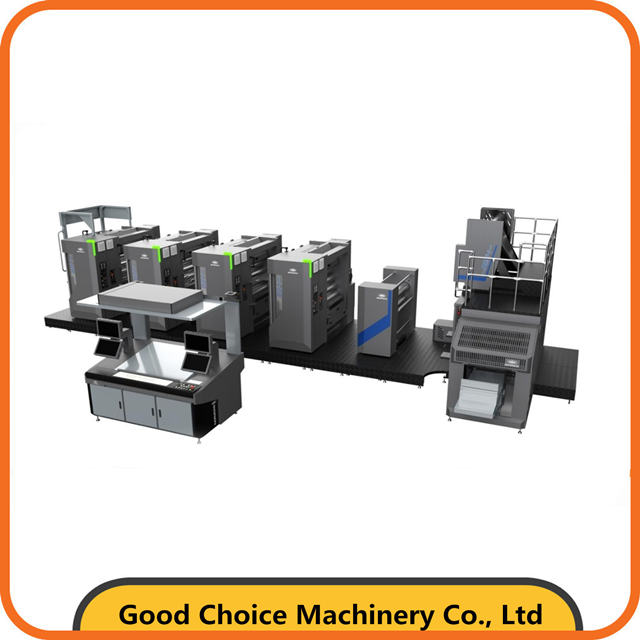
close
Choose Your Site
Global
Social Media


| Quantity: | |
|---|---|


Technical Specification
Parameter | BT640BCL |
Brand | Akiyama |
Model | BT640BCL |
Number of Colors | 6 |
Printing Type | Sheetfed offset printing |
Coating Configuration | Inline chambered coating unit |
Maximum Printing Speed | 15,000 sheets/hour |
Maximum Sheet Size | 720 × 1020 mm |
Minimum Sheet Size | 360 × 540 mm |
Paper Thickness | 0.04–0.6 mm |
Maximum Image Area | 710 × 1020 mm |
Plate Size | 800 × 1030 mm |
Quick-Clamping Blanket Size | 975 × 1035 mm |
Maximum Feeder Pile Height | 1150 mm |
Maximum Delivery Pile Height | 1150 mm |
Machine Dimensions (LxWxH) | 12,280 × 3,480 × 2,350 mm |
Main Motor Power | 55 kW |
Standard Total Power | 80 kW |
UV System Power | 40 kW |
Machine Weight | Approximately 50,200 kg |
 |  |


3·4·3 Large-Diameter Cylinder Arrangement

The BT640BCL uses a distinctive cylinder arrangement developed for stable sheet transfer and high-precision multicolor printing.
The impression cylinder adopts a triple-diameter structure with a diameter of approximately 900 mm, while the transfer cylinder uses a quadruple-diameter structure with a diameter of approximately 1200 mm.
The large cylinder radius reduces the bending angle of the paper as it moves between printing units. This is particularly valuable when processing coated paper, thicker board, recycled stock, and packaging materials that can be damaged by excessive bending.
The cylinder arrangement provides several production advantages:
Reduces paper bending during transfer
Helps prevent creasing and sheet deformation
Minimizes scratching and reverse-side marking
Reduces the possibility of ink smudging
Supports stable color-to-color registration
Improves handling of thin and thick substrates
Reduces the number of sheet transfer points
Contributes to a more compact press structure
Two printing units share one impression cylinder. The sheet is transferred after the printing operation has been completed, helping maintain stable control throughout the printing process.
Automatic Plate Changing and Register Adjustment
The same-phase automatic plate-changing system is designed to reduce preparation time between printing jobs. All six printing plates can be changed simultaneously without special plate-changing tools.
According to the detailed machine configuration, six plates can be replaced in approximately seven minutes. The simplified mechanism does not require a dedicated plate-clamping roller, which supports reliable operation and easier maintenance.
The plate-control configuration includes:
Same-phase automatic plate changing
Simultaneous six-plate replacement
U-cut plate register system
Automatic axial plate adjustment
Automatic circumferential plate adjustment
Plate skew correction
Computerized plate punching
Plate bending device
Aluminum-strip quick-clamping blanket system
These functions help reduce manual correction during job setup. They are especially useful for printing companies that frequently switch between packaging orders, short commercial runs, and repeat production jobs.
Ink and Dampening Control System
The BT640BCL is equipped with remote ink and dampening controls that allow the operator to manage important printing parameters from the centralized control station.
Ink output can be preset for individual ink zones before production. Operators can also adjust ink roller speed according to print coverage, machine speed, substrate characteristics, and image requirements.
The printing section includes:
Remote ink key control with preset function
Independent ink roller speed adjustment
Ink transfer setting control
Printing pressure preset
Anti-emulsification air blow system
Automatic ink roller cleaning
Automatic blanket cleaning
Remote ink and dampening roller engagement
Continuous alcohol-based dampening
Independent water roller speed control
Remote dampening solution pH adjustment
The automated cleaning functions reduce manual work during color changes and routine maintenance. They also help shorten preparation time between production orders.
Large-Diameter Anti-Ghosting Dampening Roller
The machine uses a large-diameter dampening roller with a diameter of approximately 185 mm.
The roller covers a substantial proportion of the printable sheet area during each revolution. It remains in contact with three oscillating rollers to support uniform ink distribution across the printing width.
This configuration is designed to reduce common offset printing issues such as:
Ghosting
Roller marks
Uneven solid areas
Inconsistent ink density
Weak dot reproduction
Uneven surface gloss
The dampening configuration helps maintain stable ink-water balance during high-speed printing and supports consistent image reproduction over longer production runs.
Inline Chambered Coating Unit
The integrated chambered coating unit allows the printed sheet to receive a protective or decorative coating before it reaches the delivery section.
Printing and coating can therefore be completed in one production cycle, reducing the need for a separate offline coating process. This can shorten turnaround time and reduce repeated sheet handling.
The coating section is suitable for applications requiring:
Water-based coating
UV coating, subject to the selected configuration
High-gloss surface finishing
Improved abrasion resistance
Additional moisture protection
Enhanced color appearance
Better packaging surface durability
Increased product presentation value
The machine also includes an extended delivery section and infrared drying equipment for water-based coating applications. UV power is listed separately in the technical configuration and should be confirmed according to the required production process.
Non-Stop Sheet Feeding System
The feeding section uses a negative-pressure sheet transport system to provide stable paper separation and smooth sheet movement.
A non-stop feeder allows the paper pile to be changed without stopping production. This is useful for longer printing runs where frequent machine interruptions would reduce output.
Standard feeding functions include:
Vacuum sheet feeding
Non-stop feeder
Mechanical double-sheet detection
Ultrasonic double-sheet detection
Front guide overrun detection
Side guide positioning and monitoring
Pile board anti-collision protection
Feed board foreign-object protection
Static elimination
Sheet size preset
Hydraulic lift table
Lateral pile position adjustment
Mechanical double-sheet detection is suitable for thicker materials, while ultrasonic detection provides additional control when processing thin or lightweight paper.
Precision Sheet Transfer
A conjugate cam-controlled swing feed hand transfers the sheet from the feeding section into the printing units.
The controlled opening and closing of the gripper mechanism helps maintain accurate sheet positioning at high operating speeds. This supports consistent front and side registration throughout the printing process.
The paper handling system is designed to reduce:
Feeding errors
Sheet misalignment
Register movement
Paper scratching
Gripper vibration
Production interruptions
Front guide, side guide, sheet curl, and paper position detection devices monitor the sheet at different stages. The machine can stop automatically when an abnormal feeding or delivery condition is detected.
Non-Stop Delivery and Drying System
The delivery section allows completed paper piles to be removed without stopping the press.
A quantitative lowering system moves the delivery table downward as sheets accumulate. The delivery unloading cam can be adjusted according to paper size, paper weight, and operating speed.
Delivery functions include:
Non-stop delivery
Paper size preset
Manual pile division
Quantitative pile lowering
Delivery cam adjustment
Paper curl detection
Delivery overload protection
Electronic powder spraying
Delivery chain lubrication
Paper warp correction
Static elimination
Extended delivery
Infrared drying
The manual pile division function helps reduce pressure on lower sheets when the delivery pile becomes high. This can minimize reverse-side smudging and set-off.
Centralized Control and Peripheral Equipment
The BT640BCL uses a PLC-based control system with a centralized operator console located at the delivery section.
A 12-inch color touchscreen, control switches, and adjustment knobs allow the operator to manage major press functions from one location.
Standard peripheral equipment includes:
PLC program control
Centralized touchscreen console
Job program electrical control
Akiyama color management console
Standard-light inspection station
Air compressor
Air pump
Pneumatic control system
Compressed-air moisture remover
Lubricant cooling device
Lubricant filtration
Centralized lubrication
Alcohol circulation control tank
Sheet counting system
Plate punching machine
Plate bending device
The lubricant cooling system keeps lubricant temperature below 25°C, supporting stable mechanical operation during extended production.
CIP3/CIP4 Workflow Integration
The press supports CIP3/CIP4-based production workflows and can be integrated with CTP prepress and digital color-management systems.
Ink-zone preset data can be prepared before the printing job begins. This reduces the amount of manual ink adjustment required during startup.
Digital workflow integration can help printing companies achieve:
Faster job preparation
Reduced startup sheets
Lower ink and paper waste
More consistent repeat orders
Improved job data management
Shorter makeready time
Better color control
More efficient short-run production
Actual workflow integration depends on the prepress software, plate production process, color-management system, and machine configuration used by the printing plant.
Suitable Printing Applications
The Akiyama BT640BCL is suitable for printing companies that require six-color production and inline surface finishing.
Typical applications include:
Folding cartons
Cosmetic packaging
Pharmaceutical packaging
Food packaging
Beverage packaging
Luxury gift boxes
Product sleeves
Book covers
Catalogs
Brochures
Posters
Advertising materials
Labels
Premium commercial printing
Coated paper products
The 0.04–0.6 mm material range allows the machine to cover both commercial paper printing and packaging board production.
Standard Spare Parts and Accessories
The standard spare-parts package includes:
Sixteen rubber rollers for one printing unit
One roller storage rack
Standard maintenance tools
Standard machine accessories
Plate positioning punching equipment
Plate bending equipment
The detailed spare-parts list should be confirmed with the final machine configuration and sales contract.
Installation and Training
The preliminary service arrangement includes the dispatch of approximately three to four engineers for machine installation and adjustment.
Initial installation and commissioning are expected to require approximately seven to ten days, depending on the workshop condition, foundation preparation, electrical installation, local support, and production requirements.
After commissioning, one engineer can remain for operator training for up to 30 days under the stated service arrangement.
Training can cover:
Machine startup and shutdown
Feeder adjustment
Plate installation
Ink and dampening control
Coating operation
Printing pressure adjustment
Routine cleaning
Preventive maintenance
Basic troubleshooting
Production safety
Support beyond the stated 30-day period is charged at USD 300 per engineer per day. Travel, visa, accommodation, meals, and related expenses are borne by the buyer.
Commercial Terms
Item | Terms |
Payment | T/T 30% down payment, 70% before shipment |
Delivery Time | Approximately 6 months after receipt of down payment |
Packing | Wooden case |
Price Validity | 30 days |
Trade Term | FOB Shanghai |
Machine Warranty | 12 months after installation and training |
Rubber Roller Warranty | 6 months |
Foundation Preparation | To be completed by the buyer in advance |
Suggested Foundation Period | Approximately 15 days |
Final configuration, coating system, drying system, installation scope, spare parts, and warranty responsibilities should be confirmed in the signed sales contract.
 |  |
Why Choose the BT640BCL?
The BT640BCL combines high-speed six-color printing, wide substrate compatibility, inline coating, automated setup, and stable sheet handling in one platform.
It is particularly suitable for printers that want to:
Expand from four-color to six-color production
Add inline coating capability
Process both commercial paper and packaging board
Reduce separate finishing operations
Improve short-run changeover efficiency
Reduce manual ink and plate adjustments
Increase packaging production capacity
Improve registration consistency
Reduce startup waste
Support digital prepress workflows
Its maximum 720 × 1020 mm sheet format also provides a clear production position between smaller commercial presses and larger-format packaging equipment.
Frequently Asked Questions
What is the maximum printing speed of the BT640BCL?
The maximum rated printing speed is 15,000 sheets per hour. Actual output depends on paper condition, ink coverage, coating requirements, operator experience, drying configuration, and finished-product quality standards.
What paper thickness can the machine process?
The supported paper thickness range is 0.04–0.6 mm. This covers lightweight commercial paper, coated paper, recycled paper, folding carton board, and other packaging substrates.
Can the machine print and coat in one pass?
Yes. The press is equipped with an inline chambered coating unit, allowing printing and coating to be completed during the same production cycle.
Does the machine support UV coating?
The supplied specifications list a 40 kW UV power configuration. The exact UV system, curing arrangement, electrical requirements, and coating compatibility should be confirmed before ordering.
How long does plate changing take?
The detailed machine configuration states that six plates can be changed simultaneously in approximately seven minutes without special plate-changing tools.
Does the press include non-stop feeding and delivery?
Yes. Both the feeder and delivery sections are designed for non-stop pile handling, helping reduce interruptions during longer production runs.
Is the machine compatible with CIP3 or CIP4?
Yes. The equipment is designed to support CIP3/CIP4 workflows, CTP prepress integration, ink presetting, and digital color-management processes.
What preparation is required before installation?
The buyer should complete the machine foundation, workshop access route, electrical supply, compressed-air connection, ventilation, and other site preparations before the installation team arrives.
Factory area: A space of at least 2 meters in front and behind the machine, and at least 1.5 meters on both sides.

The machine foundation drawing will be sent to you after contract signed!