close
Choose Your Site
Global
Social Media
Views: 0 Author: Site Editor Publish Time: 2026-08-14 Origin: Site


Are paper bags just simple packaging or key to sustainability? Their role in retail and food industries is growing fast. Choosing the right paper bags impacts durability and brand image. In this post, you’ll learn about types, production processes, and equipment selection for paper bags.
Table of Contents

Flat bags are the simplest paper bag style. They are made by folding a single sheet of paper into a flat tube, then gluing the side seam. The bottom is usually a simple fold-over flap sealed with adhesive. These bags have no gussets, so they stay flat when empty and don’t expand much when filled.
Uses:
Sandwich and bakery bags
Lightweight retail packaging
Small food items
They are easy and fast to produce but best suited for light loads, typically up to 2-5 kg. Flat bags are economical and commonly used where bulk or volume isn’t a concern.
SOS (Self-Opening Sack) bags are the most popular type for retail and foodservice. They have side gussets—accordion folds running the full height—allowing the bag to expand and stand upright when opened. The bottom is a multi-flap square base, offering stability and load support.
Features:
Side gussets for volume expansion
Square bottom for standing upright
Stronger construction than flat bags
Applications:
Grocery shopping bags
Takeout food packaging
Retail and boutique bags
SOS bags support loads from 5 to 12 kg depending on paper grade and handle type. Their versatility and self-opening feature make them ideal for many everyday uses.
Pinch-bottom bags are heavy-duty, multi-ply bags designed for industrial and bulk materials. They consist of 2 to 5 layers of kraft or laminated paper, folded and glued with a stepped closure at the bottom. This design distributes weight evenly, preventing failure under heavy loads.
Characteristics:
Multi-layer construction for strength
Pinched, reinforced bottom seal
Handles very heavy loads (10-25 kg or more)
Common uses:
Cement and mineral bags
Pet food and agricultural products
Industrial powders and granules
Their robust design suits harsh handling and long transport, making them a staple in heavy industry packaging.
Handle bags combine the SOS bag body with attached handles for easy carrying. Handle styles vary:
Twisted paper rope handles: Strong, flexible, and comfortable; ideal for heavier loads (up to 10 kg).
Flat paper handles: Glued strips offering a sleek look; best for medium loads.
Die-cut handles: Cut directly from the bag; minimalist but limited to light loads.
Handle bags are popular in retail and boutique settings where branding and customer convenience matter. Proper handle attachment with reinforcement patches is critical to prevent failures.
Paper bags come in different material types, each with unique qualities:
Material Type | Description | Typical GSM | Uses |
|---|---|---|---|
Virgin Kraft | Unbleached, natural brown, strongest | 60-110 | Grocery, food carryout, heavy loads |
Bleached Kraft | White surface, high print quality | 70-120 | Retail shopping, gift bags |
Recycled Kraft | Contains post-consumer fiber, lower strength | 60-100 | Light-duty retail, promotional bags |
Coated Kraft | PE, wax, or bio-coating for moisture barrier | 80-150 | Food takeout, grease-resistant uses |
Virgin kraft offers maximum strength and durability. Bleached kraft provides a premium look for retail. Recycled kraft supports sustainability but sacrifices some strength. Coated kraft adds moisture resistance but may reduce recyclability.
Material choice depends on load requirements, branding, and environmental goals.
Note: Selecting the right paper bag type and material directly impacts durability, customer satisfaction, and sustainability—choose based on your product weight, handling needs, and brand values.

Kraft paper is the backbone of most paper bags. It’s made from long softwood fibers, mainly pine, spruce, and fir. These fibers are 2-3 times longer than hardwood fibers, making kraft paper stronger and tear-resistant. The name "kraft" means "strength" in German, reflecting its durability.
The kraft pulping process uses chemicals like sodium hydroxide and sodium sulfide to break down wood chips. This removes lignin, the glue holding fibers together, without damaging the cellulose fibers. The result is a strong, brown pulp called brown stock. This pulp forms the base for kraft paper. The natural brown color comes from the unbleached pulp, which can also be bleached for white kraft paper.
Wood logs are debarked and chipped into small pieces. These chips go into a digester, where they cook at high temperatures (around 170°C) with chemicals. The cooking dissolves lignin, freeing the cellulose fibers.
After cooking, the pulp is washed to remove chemicals. The leftover liquid, called black liquor, contains dissolved lignin and is burned to generate steam and power for the mill. The chemicals are recovered and recycled, making kraft pulping energy-efficient and sustainable.
The pulp is diluted with water and spread over a moving mesh on a paper machine. Water drains through the mesh, leaving a wet fiber mat. As the fibers settle, they tend to align along the machine’s direction, called the machine direction (MD). This alignment makes the paper stronger lengthwise but weaker across its width (cross direction, CD).
For paper bags, it’s crucial to align the bag’s load-bearing axis with the machine direction. Using the paper incorrectly can cause bags to tear more easily.
The wet paper mat passes through heavy rollers that press out water mechanically. This step reduces water content from about 80% to 50%. Pressing also compacts fibers, increasing strength.
Next, the paper moves through heated drying cylinders. These steam-heated drums dry the paper to about 5-8% moisture. This moisture range keeps the paper flexible but stable. Over-dried paper becomes brittle; under-dried paper can warp or grow mold.
Drying uses most of the energy in papermaking—up to 70% of total consumption.
After drying, the paper passes through calender rolls—smooth steel cylinders that compress and smooth the surface. This improves print quality but reduces thickness slightly. For paper bags, light calendering balances printability and strength.
Finally, the paper is wound into large rolls, often several meters wide and weighing tons. These parent rolls ship to bag manufacturers for converting into bags.
Note: Proper fiber alignment during sheet formation is critical; it ensures paper strength aligns with bag load direction, preventing premature tearing.
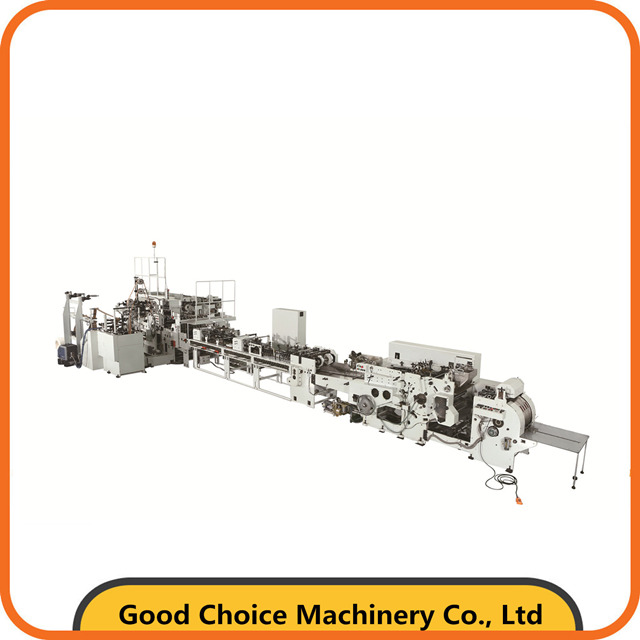
The manufacturing journey begins by selecting the right paper—usually kraft or recycled pulp. This choice sets the foundation for bag strength and durability. The pulp is processed into large rolls of paper at specific weights (GSM), often FSC-certified or with high recycled content. This raw paper roll arrives at the bag-making facility, ready for transformation.
Next, the paper rolls move through printing units. Flexographic printing is common for high-speed runs, applying water-based inks in up to eight colors. It’s perfect for logos, text, and solid colors, balancing speed and quality. For detailed images or photographic prints, offset lithography on pre-cut sheets offers higher resolution but slower production. This step turns plain paper into a powerful branding tool.
If the bags need to resist moisture or grease, a thin lamination layer is applied. This might be polyethylene (PE) or polylactic acid (PLA). While lamination adds protection, it can reduce recyclability. Many manufacturers skip this step unless necessary, preserving eco-friendliness.
The printed paper rolls are then slit to the bag’s width, cut to length, and folded into tubes. Precision here is crucial. Accurate slitting and folding ensure clean edges and aligned seams, preventing weak points that cause bag failure.
The bag’s bottom is formed next. For retail and food bags, a square bottom is common, providing stability and allowing the bag to stand upright. Alternatively, valve bottoms are used for specialty bags like those for powders or granules. This step involves folding flaps, applying glue, and pressing them firmly to create a strong base. Proper adhesive coverage here is vital to support load weight and prevent leaks.
Handles add convenience but also pose a risk if attached poorly. Twisted paper rope handles are threaded through pre-punched holes and reinforced with glued patches inside the bag. Flat paper handles are glued strips attached at the top edge. Die-cut handles are cut from the bag itself for lighter loads. Ensuring strong adhesive bonds and proper drying time here prevents handle detachment—a common failure point.
Before packaging, every bag undergoes inspection. Checks include print accuracy, seam strength, bottom fold integrity, and handle adhesion. Bags failing any test are removed to maintain quality standards. Finally, bags are bundled and boxed, ready for shipment.
Note: Handle strength often determines bag reliability; insist on reinforced patches and thorough adhesive curing to avoid costly failures in use.
Choosing the right machine starts with understanding roll-fed and sheet-fed types. Roll-fed machines use continuous paper rolls. This allows fast, high-volume production with consistent output. They’re perfect for large runs of standard bags like SOS or flat bags. Sheet-fed machines, on the other hand, use pre-cut sheets. They offer more flexibility for smaller batches, custom sizes, or complex prints. Changeovers take longer, and speeds are slower, but sheet-fed machines excel in specialty or luxury bags.
Different bag styles need different machines:
Valve bag machines create bags with filling valves, ideal for powders and granules like cement or chemicals. They ensure tight seals to prevent leaks.
Flat bottom bag machines produce bags with sturdy square bottoms. These are common in retail and food packaging where stability and presentation matter.
Open mouth bag machines make bags that are open at the top for easy filling, often used in bulk goods like grains or animal feed.
Each machine type has features optimized for its application, such as dust control on valve machines or high-quality folding on flat bottom machines.
Automation is a game-changer in paper bag manufacturing. Modern machines automate feeding, forming, sealing, printing, and stacking. This boosts production speed and consistency while lowering labor costs. Integrated servo drives and PLC controls enable precise adjustments and diagnostics. Operators can monitor performance through user-friendly interfaces, reducing downtime and errors. Automated splicing on roll-fed machines allows continuous runs without stopping for roll changes. Overall, automation improves throughput, quality, and return on investment.
Machines today handle a wide range of materials—from lightweight recycled paper to heavy multi-ply kraft and laminated stocks. They accommodate paper weights typically from 70 to 200 GSM and can process up to five layers. Integrated printing units support up to 8-color flexographic printing for vibrant branding. Optional modules add embossing, window patches, or special coatings. Versatile material handling means one machine can produce diverse bag types, sizes, and finishes, reducing the need for multiple lines.
Selecting equipment depends on your product needs:
Bag type: Flat bags, SOS, valve, or handle bags require specific machines.
Volume: High-volume operations benefit from roll-fed, highly automated machines. Small or custom runs may be better suited to sheet-fed or semi-automatic lines.
Budget: Automated machines cost more upfront but save labor and reduce waste. Manual or semi-automatic machines have lower capital costs but higher operating expenses.
Evaluate your production targets, space, and growth plans to find the best balance.
Investing in automation often leads to faster payback through labor savings, improved quality, and fewer defects. Automated controls ensure uniform glue application, seam strength, and print registration. Reduced manual handling minimizes errors and rework. Faster changeovers increase flexibility for multiple SKUs. While initial costs are higher, the long-term benefits include lower per-unit costs and consistent product quality, which boosts customer satisfaction and brand reputation.
Tip: When selecting paper bag machines, prioritize automation features that match your production volume and bag complexity to maximize efficiency and minimize defects.

Paper bags offer a wide range of printing possibilities to help your brand stand out. Most manufacturers use flexographic printing, which supports 1 to 8 colors and allows for vibrant, sharp logos and designs. Spot colors and full-bleed printing are common, enabling seamless artwork coverage across the bag’s surface. For more detailed images or photographic effects, offset printing on pre-cut sheets can be employed, though it is slower and costlier. Water-based inks are the preferred choice—they are eco-friendly and safe for food contact.
You can customize the print to match your brand’s color palette, add text, or create eye-catching patterns. Some manufacturers also offer special finishes like matte or gloss lamination, spot UV coating, or foil stamping to add texture and premium appeal. These finishing touches can elevate your bag from simple packaging to a memorable marketing tool.
One of the biggest advantages of paper bags is their adaptability in size and structure. You can specify the width, depth (gusset size), and height to perfectly fit your products. For example, a bakery might want a narrower, taller bag, while a grocery store may need wider, sturdier ones.
Bottom styles can also be tailored:
Square Bottom: Provides stability and allows the bag to stand upright, ideal for retail and food packaging.
Valve Bottom: Designed for specialty items like powders or granular products, allowing easy filling and sealing.
Choosing the right bottom style ensures your bag performs well during transport and display.
Handles add convenience and style but require careful selection to match the bag’s load and use:
Twisted Paper Rope Handles: Strong and comfortable, suitable for heavier loads up to 10 kg. These are twisted paper cords attached through punched holes with reinforcement patches inside for durability.
Flat Paper Handles: Glued strips offering a sleek look, ideal for medium loads. They are simpler but less durable than twisted ropes.
Die-Cut Handles: Cut directly from the bag body, providing a minimalist design for light loads only.
Proper handle attachment is critical. Reinforcement patches distribute stress and prevent tearing. Adhesive quality and drying time must be controlled to avoid handle failure.
Lamination adds moisture and grease resistance, extending bag usability, especially for food takeout or frozen goods. Common lamination types include:
Polyethylene (PE): Provides a strong moisture barrier but reduces recyclability.
Polylactic Acid (PLA): A bio-based alternative with better compostability.
Water-Based Coatings: Light coatings that improve grease resistance while maintaining recyclability.
Lamination should be used only when necessary, as it can complicate recycling. Some manufacturers offer water-based coatings that balance protection and eco-friendliness.
Customization also extends to the materials used. You can specify:
FSC-Certified Paper: Guarantees the fiber comes from responsibly managed forests, supporting sustainability claims.
High Recycled Content: Incorporates post-consumer fiber, reducing environmental impact but may slightly reduce strength.
Virgin Kraft Paper: Offers maximum durability for heavy-duty or premium bags.
Choosing certified or recycled materials aligns your packaging with consumer expectations and regulatory trends.
To further customize, consider adding:
Window Cut-Outs: Transparent patches made from biodegradable films or uncoated areas showcase product inside, popular for bakery or specialty foods.
Embossing or Debossing: Adds texture and tactile branding elements.
Spot UV or Foil Stamping: Highlights logos or design details with shine or metallic effects.
Custom Adhesive Patches: For handle reinforcement or branding.
These special features enhance shelf appeal and customer engagement, turning your paper bag into a powerful brand ambassador.
Tip: Prioritize printing quality and handle type when customizing paper bags—these are the first things customers notice and remember, impacting brand perception and user experience.
Choosing the wrong paper grade is a frequent error that undermines bag performance. Paper weight, measured in grams per square meter (GSM), must match the bag’s intended load. Using a lighter paper than specified causes tearing, especially at stress points like handles and seams. Conversely, overspecifying GSM wastes material and raises costs unnecessarily.
Fiber composition matters too. Bags made from recycled fibers have shorter, weaker fibers due to repeated processing. This reduces tear resistance and burst strength. For heavy-duty or premium bags, high virgin fiber content is essential. Ignoring this leads to bags that fail under load or appear cheap.
Paper is sensitive to moisture. High humidity during production can cause paper web breaks, jams, and inconsistent folding. If moisture content exceeds 8%, bags risk warping or mold growth. Too low moisture (below 5%) makes paper brittle, causing cracks during folding.
Maintaining 45-55% relative humidity in the production environment stabilizes paper moisture and prevents defects. Regular monitoring of paper moisture content per ISO 287 ensures consistent quality. Failure to control moisture leads to increased rejects and customer complaints.
Lamination adds moisture and grease resistance but can compromise recyclability. Overusing polyethylene (PE) or wax coatings makes bags difficult to recycle in standard paper streams. This conflicts with growing consumer and regulatory demand for eco-friendly packaging.
Use lamination only when necessary, such as for food takeout exposed to grease or moisture. Consider water-based coatings or biodegradable alternatives like PLA for better recyclability. Excessive lamination increases waste and can harm brand reputation.
Folding and gluing are critical mechanical steps. Poorly aligned folds cause uneven bottoms and unstable bags. Misaligned glue beads or intermittent adhesive application weaken seams, leading to splits under load.
Common causes include worn tooling, incorrect machine settings, or inconsistent paper tension. Regular machine maintenance and precise calibration prevent these issues. Use automated glue application systems for uniform adhesive coverage. Visual and mechanical inspections during production catch errors early.
A robust quality control process includes:
Paper Grade Verification: Check actual GSM and burst factor against specs before production.
Print Registration: Confirm color alignment and clarity on initial samples.
Lamination Adhesion: Test for bubbling or peeling under stress.
Bottom Fold and Glue: Apply pressure to ensure no separation or weak spots.
Handle Pull Test: Each handle must withstand rated load without tearing.
Moisture Content Check: Maintain paper moisture between 5-8%.
Dimensional Accuracy: Measure bag dimensions against approved specs.
These inspections reduce defects and returns, protecting brand reputation.
Standardized tests provide objective quality benchmarks:
Test | Standard | Measures | Importance |
|---|---|---|---|
Tensile Strength | ASTM D828 / ISO 1924-2 | Force to pull paper apart (MD & CD) | Indicates bag body strength |
Tear Resistance | ASTM D6242 / ISO 1974 | Force to propagate a tear | Shows resistance to punctures |
Burst Strength | ASTM D774 / ISO 2758 | Pressure to rupture paper | Reflects ability to hold contents |
Request test reports from suppliers to verify compliance. A large difference between machine direction (MD) and cross direction (CD) results signals poor fiber orientation control, risking inconsistent bag performance.
Tip: Always verify paper GSM and fiber content before production; matching these to your load requirements prevents costly bag failures and protects your brand’s reputation.

Kraft pulping stands out for its environmental efficiency. The process removes lignin from wood chips using chemicals like sodium hydroxide and sodium sulfide, producing strong cellulose fibers. Importantly, it recycles about 95% of these chemicals in a closed loop. The leftover black liquor, rich in organic material, is burned to generate steam and electricity, powering the mill and reducing fossil fuel use. This chemical recovery system cuts waste and energy consumption, making kraft pulping one of the most resource-efficient industrial processes globally.
Incorporating recycled fiber lowers the demand for virgin wood, reducing deforestation and landfill waste. Paper bags with high recycled content support circular economy goals, though they may sacrifice some strength. FSC (Forest Stewardship Council) certification ensures fibers come from responsibly managed forests. Using FSC-certified paper or recycled blends helps brands meet environmental standards and consumer expectations for sustainable sourcing. Many buyers now require these certifications to comply with regulations and enhance marketing credibility.
Water-based inks are preferred for printing on paper bags because they emit fewer volatile organic compounds (VOCs) than solvent-based inks. This reduces air pollution and health risks in manufacturing. Additionally, biodegradable adhesives made from natural polymers or synthetic biodegradable materials help ensure that bags remain compostable or recyclable. These eco-friendly materials minimize environmental impact throughout the bag’s life cycle.
Lamination with polyethylene (PE) or wax coatings improves moisture and grease resistance but complicates recycling. Laminated bags often cannot be processed in standard paper recycling streams, leading to waste or incineration. Avoiding lamination or using bio-based alternatives like polylactic acid (PLA) coatings improves recyclability and compostability. When lamination is necessary, selecting water-based coatings or minimal layers helps balance performance and environmental goals.
Manufacturing paper bags domestically reduces transportation distances, cutting greenhouse gas emissions linked to shipping. It also shortens lead times, enabling faster response to market demand and reducing inventory overhead. Local production supports better quality control and compliance with environmental regulations. These factors combine to lower the overall carbon footprint and improve supply chain resilience.
Governments worldwide are tightening restrictions on single-use plastics and encouraging sustainable packaging alternatives. Paper bags made from recycled or FSC-certified materials, printed with eco-friendly inks, and free from plastic lamination meet these evolving standards. Consumers increasingly expect brands to demonstrate environmental responsibility, influencing purchasing decisions. Staying ahead of regulations and market trends by adopting sustainable paper bag solutions can enhance brand reputation and avoid compliance risks.
Tip: Prioritize sourcing FSC-certified or high-recycled-content kraft paper combined with water-based inks and biodegradable adhesives to maximize your paper bags’ sustainability and regulatory compliance.
Selecting the right paper bag type and material ensures durability and customer satisfaction. Quality and customization enhance brand image and user experience. Choosing suitable equipment and reliable suppliers boosts production efficiency and product consistency. Sustainable manufacturing trends focus on eco-friendly materials and processes to meet regulations and consumer demands. GOOD CHOICE offers high-quality, customizable paper bags that provide strength, style, and sustainability, helping brands succeed while supporting environmental goals. Partner with GOOD CHOICE for reliable, innovative packaging solutions.
A: The main types include flat bags for light loads, SOS bags with gussets for retail and foodservice, pinch-bottom bags for heavy-duty use, and handle bags for convenience and branding.
A: Proper fiber alignment, precise folding, and strong adhesive application ensure durability. Quality control on GSM, moisture, and handle strength prevents failures.
A: Coated kraft offers moisture and grease resistance, ideal for food takeout, but may reduce recyclability compared to uncoated options.
A: Roll-fed, highly automated machines are suited for large runs of flat or SOS paper bags, boosting efficiency and consistent quality.
A: Twisted paper rope handles support heavier loads (up to 10 kg), flat paper handles suit medium loads, and die-cut handles are for light loads onl