close
Choose Your Site
Global
Social Media
Views: 0 Author: Site Editor Publish Time: 2026-08-14 Origin: Site


Did you know most food packaging harms the environment? Food Packaging Paper Boxes offer a greener alternative. They combine protection with sustainability. In this post, you’ll learn about different types, materials, and manufacturing processes. We’ll also explore market trends and why eco-friendly packaging matters.

Food packaging paper boxes come in many styles, each designed to meet specific needs. Here’s a detailed look at the common types and their features:
Foldable boxes are popular for their convenience and space-saving design. They fold flat when not in use, making storage efficient. These boxes suit foods like fried rice, noodles, and other dry or semi-moist meals. Their sturdy paper construction supports easy stacking and transport, ideal for takeout and delivery services.
Clamshell containers feature a hinged lid that stays attached to the base, providing a secure closure. They often include multiple compartments, perfect for meals needing separation, such as sandwiches with sides or salads with dressings. The rigid structure prevents spillage and keeps food fresh during transport.
Soup cups are specially designed to hold liquids without leaking. They include a moisture-resistant lining that stops leaks and maintains the cup’s strength. Many come with lids to keep soups or stews hot and prevent spills, making them popular for takeout soups.
Dessert boxes focus on presentation. They often have clear windows made from biodegradable plastic or cellulose, allowing customers to see the treats inside. These boxes are perfect for cakes, pastries, and sweets, combining protection with visual appeal.
Pizza boxes are made from thicker paperboard to provide insulation, keeping pizzas warm and fresh. Their flat, square design fits various pizza sizes. Ventilation holes help prevent sogginess by allowing steam to escape, ensuring the crust stays crisp.
Hamburger boxes are designed to hold sandwiches securely. They usually have grease-resistant linings to handle oily or moist foods without leaking. The boxes close snugly to keep burgers intact during transport, making them ideal for fast-food chains.
These boxes include multiple sections to separate different food items. They help with portion control and prevent flavors from mixing. Commonly used for bento-style meals or meal prep services, they support balanced, visually appealing food presentation.
Tip: Choose the right paper box type based on your food’s moisture level and portion needs to ensure freshness and customer satisfaction.
Choosing the right material for food packaging paper boxes is key to ensuring durability, moisture resistance, and environmental friendliness. Let’s explore the common materials used and their benefits.
Kraft paper is a popular choice for food packaging due to its strength and natural look. It’s made from wood pulp through the kraft process, which keeps fibers longer and tougher. This results in sturdy boxes that can hold heavy or bulky food items without tearing. Its brown, rustic appearance also appeals to brands wanting an eco-friendly image. Kraft paper is often unbleached, making it more sustainable and less chemically treated than white paper.
To protect food from moisture and grease, many paper boxes use coated paper. The coating can be made from wax, polyethylene, or biodegradable polymers. It acts as a barrier, preventing liquids from soaking through the paper. This is especially important for foods like soups, oily snacks, or sauces. Coated paper keeps boxes strong and leak-resistant, extending their usability. However, some coatings may affect recyclability, so choosing eco-friendly coatings is important for sustainability.
Recycled paper is gaining popularity as a material for food packaging boxes. It uses fibers recovered from used paper products, reducing the need for virgin wood pulp. This lowers deforestation and saves energy during production. Recycled paper can be combined with coatings to maintain durability and moisture resistance. Brands focused on green practices often prefer recycled paper to demonstrate their commitment to environmental responsibility.
Material | Strength | Moisture Resistance | Eco-Friendliness | Best For |
|---|---|---|---|---|
Kraft Paper | High | Moderate | High | Dry foods, sandwiches, bakery |
Coated Paper | Moderate | High | Variable | Soups, oily foods, sauces |
Recycled Paper | Moderate | Moderate to High | Very High | General packaging, eco brands |
For dry or lightly moist foods, kraft paper works well. For wet or greasy foods, coated paper is better. Recycled paper suits brands aiming for sustainability but may need coating for moisture-sensitive foods.
Tip: When selecting materials, consider the food type and environmental goals to balance durability, protection, and eco-friendliness.

The manufacturing process of food packaging paper boxes involves several key steps. Each step uses specialized machines and techniques to ensure the boxes are durable, moisture-resistant, and visually appealing. Let’s explore the process from raw paper production to the final packaging and quality checks.
The process starts with raw materials like wood pulp or recycled fibers. These are broken down and mixed with water to create a slurry. This slurry passes through a paper-making machine that spreads it onto a moving screen, allowing water to drain and fibers to bond. The wet sheet then goes through presses and dryers to form strong, flat paper sheets. Consistent fiber quality and thickness control are essential here to ensure the final box's strength and uniformity.
Once the paper sheets are ready, they undergo a coating process to improve moisture resistance. Coating machines apply a thin layer of protective material—such as polyethylene, wax, or biodegradable polymers—onto the paper surface. This layer prevents liquids and grease from soaking through, making the boxes suitable for wet or oily foods. The coating must be even and well-adhered, or the box may weaken or leak.
After coating, the paper sheets move to printing machines. Common methods include flexographic and digital printing, which add brand logos, product details, and decorative designs. These machines require precise color calibration and registration to maintain print quality. Vibrant, clear printing helps boxes stand out on shelves and conveys important information to customers.
The printed sheets are then fed into die-cutting machines. These machines use sharp steel dies to cut the paper into specific shapes, including tabs, flaps, and perforations. Accurate die-cutting ensures the box components fit together perfectly during assembly. It also minimizes material waste by optimizing sheet layout.
Next, folding and gluing machines shape the cut pieces into boxes. The machines fold the paper along pre-scored lines and apply adhesive to secure flaps and edges. Proper alignment during folding and consistent glue application are critical to box strength and appearance. Automated machines speed up production while maintaining precision.
Finally, the formed boxes are stacked and packaged for shipment. Packaging machines bundle boxes in sets, protecting them during transport. Quality control teams inspect boxes for defects such as misprints, weak glue joints, or coating flaws. Only boxes meeting strict standards proceed to customers.
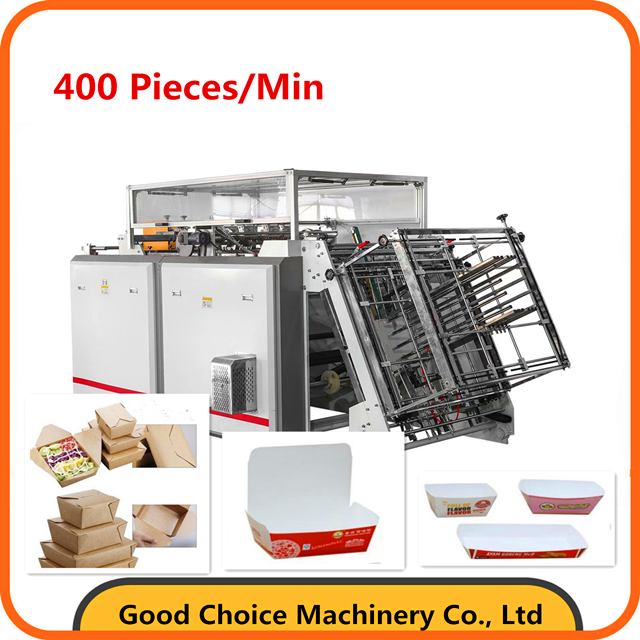
Tip: Regularly maintain and calibrate coating, printing, and die-cutting machines to ensure consistent box quality and reduce production waste.
Food packaging paper boxes serve many roles across different food service settings. Their design and functionality make them ideal for various applications, ensuring food stays fresh, secure, and visually appealing. Here’s a detailed look at common usage scenarios for each type of box.

Foldable boxes are perfect for food trucks and casual dining spots. Their space-saving design allows easy storage and quick assembly on the go. They work well for dishes like fried rice, noodles, and grilled items. The sturdy paper holds food securely, making them ideal for busy environments where speed and convenience matter.
Clamshell containers are favored by delis and cafés that serve sandwiches, salads, and combo meals. The hinged lid stays attached, preventing accidental openings. Multiple compartments keep ingredients separate, preserving freshness. Their firm structure helps during transport, ensuring food arrives intact.
Soup cups are designed for liquid foods like soups and stews. Restaurants use these cups to offer hot meals for takeout. The leak-resistant lining and tight-fitting lids prevent spills. This packaging keeps soups warm longer and convenient to carry, enhancing customer satisfaction.
Dessert boxes are tailored for bakeries packaging cakes, pastries, and sweets. Many feature transparent windows made from biodegradable materials. This showcases the treats inside, enticing customers visually. The boxes protect delicate desserts from damage during transport and handling.

Pizza boxes are essential for pizzerias offering delivery or takeout. Their thick paperboard provides insulation, keeping pizzas warm and fresh. Ventilation holes allow steam to escape, preventing soggy crusts. The flat, square shape fits various pizza sizes, making stacking and transport efficient.
Hamburger boxes are common in fast-food chains. They secure burgers and sandwiches, often featuring grease-resistant linings to handle oily foods. The snug closure keeps sandwiches intact during transit. This packaging supports quick service and maintains food quality.
Compartmentalized meal boxes are popular in meal delivery and catering. They separate different food items, preventing mixing of flavors and maintaining portion control. These boxes are ideal for balanced meals, such as bento boxes or diet plans. Their sturdy design ensures food stays organized and fresh.
Tip: Match the packaging type to your food’s nature and service style to improve customer experience and reduce waste. For example, use clamshell containers for meals needing separation and foldable boxes for quick-serve dishes.
Not all paper packaging is safe to heat in a microwave. Boxes labeled "microwave-safe" have been tested to withstand heat without catching fire, melting, or releasing harmful substances. Generally, plain kraft paper boxes or those coated with biodegradable, microwave-friendly materials are safe. Avoid boxes with metallic inks, foil linings, or plastic coatings not designed for microwaving, as these can cause sparks or damage the microwave.
Some paper boxes include metallic elements like foil windows or shiny prints. These components can spark in microwaves, posing fire risks. Also, plastic linings or lids not rated for microwave use may melt or warp. Always remove lids or coverings that are not microwave-safe, and avoid heating boxes with any metallic parts. If unsure, transfer food to a microwave-safe container before heating.
Reusing paper boxes can reduce waste but requires care. Only reuse clean, dry boxes free from grease, food residue, or moisture that can weaken the paper or harbor bacteria. Avoid reusing boxes used for oily or liquid foods, as they may lose structural integrity. Reuse boxes for dry, solid foods or storage only. Always check for damage or contamination before reuse to ensure food safety.
Reusing paper packaging helps reduce demand for new materials and lowers waste. However, repeated use can degrade paper fibers, reducing recyclability. Proper disposal through recycling is crucial when boxes are no longer usable. Boxes with coatings or linings may require special recycling processes or composting, depending on local facilities. Choosing recyclable and biodegradable boxes supports sustainability goals.
Tip: Always check for microwave-safe labels and avoid heating boxes with metallic or non-microwave-safe plastic parts to ensure safety and maintain packaging integrity.
Food packaging paper boxes offer many benefits but also face some challenges. Understanding these can help businesses make informed decisions about their packaging choices.
Paper boxes are often made from renewable resources like wood pulp and recycled fibers. They break down naturally over time, reducing landfill waste and environmental pollution. Many paper boxes use biodegradable coatings, making them compostable in industrial or home settings. This eco-friendly nature appeals to consumers and supports brand sustainability goals. Using paper boxes helps reduce plastic use, aligning with global efforts to lower carbon footprints.
Paper packaging provides an excellent canvas for customization. Brands can print logos, product details, and attractive designs directly on the box. High-quality printing techniques allow vibrant colors and sharp images, enhancing product appeal. Custom shapes and sizes are possible through die-cutting and folding processes. This flexibility helps businesses create unique packaging that stands out on shelves and strengthens brand identity. It also allows communication of eco-friendly values clearly to customers.
Despite coatings, paper boxes have limits handling liquids and oily foods. Excess moisture can weaken paper fibers, causing leaks or sogginess. Coatings improve resistance but may not fully prevent seepage in very wet or greasy meals. For such foods, specialized linings or alternative packaging may be necessary. Some coatings reduce recyclability or compostability, creating trade-offs between protection and sustainability. Businesses must carefully match box type and material to food properties to avoid quality issues.
Recycling paper boxes depends on local waste management infrastructure. Boxes with plastic or wax coatings can be harder to recycle, requiring special processes. Contamination from food residue also complicates recycling efforts. Many regions have specific rules about which coated papers can enter recycling streams. This variability means businesses must understand local guidelines to optimize disposal and promote circularity. Encouraging consumers to clean packaging before disposal can improve recycling success.
Tip: Select paper packaging materials and coatings based on your food type and local recycling options to balance protection, sustainability, and end-of-life management effectively.

As the food packaging industry evolves, paper boxes continue to innovate. New trends focus on sustainability, functionality, and adapting to modern food delivery needs. Here’s a look at key future developments shaping food packaging paper boxes.
Sustainability drives innovation in coatings and materials. Traditional plastic or wax coatings often hinder recyclability and compostability. New bio-based coatings made from natural polymers like cellulose, starch, or chitosan offer moisture resistance without environmental harm. These coatings break down easily and reduce plastic waste.
Material innovations include:
Plant-based fibers blended with recycled paper to improve strength and biodegradability.
Nanocellulose additives to enhance barrier properties against grease and moisture.
Compostable laminates that maintain durability but degrade in industrial composting.
These eco-friendly materials meet growing consumer demand for green packaging and comply with stricter environmental regulations worldwide.
Smart packaging integrates technology to improve user experience and food safety. Paper boxes are evolving beyond static containers:
QR codes and NFC tags printed on boxes enable customers to access product info, nutritional facts, or origin stories via smartphones.
Temperature-sensitive inks change color if food spoils or if the box is exposed to unsafe conditions.
Antimicrobial coatings help extend food freshness by reducing bacterial growth on packaging surfaces.
Oxygen and moisture absorbers embedded within layers help preserve sensitive foods longer.
These features add value for brands and consumers by enhancing safety, traceability, and convenience.
The rise of food delivery and takeaway services demands packaging that supports logistics and branding:
Stackable, modular designs optimize space in delivery bags and reduce damage during transport.
Tamper-evident seals and secure closures ensure food safety and customer confidence.
Lightweight yet sturdy construction reduces shipping costs and environmental impact.
Customizable branding options allow quick adaptation for promotions or seasonal menus.
Packaging manufacturers collaborate closely with delivery platforms to create solutions that balance durability, sustainability, and user-friendliness.
Governments worldwide tighten regulations on packaging materials, recycling, and waste reduction. Future paper packaging must comply with:
Bans on single-use plastics, pushing more brands toward paper alternatives.
Strict labeling requirements for recyclability and compostability.
Standards for food safety and chemical migration to ensure no harmful substances transfer to food.
Circular economy initiatives encouraging reuse, recycling, and composting infrastructure.
Manufacturers must stay ahead by adopting certified materials, transparent supply chains, and eco-labels that reassure consumers and regulators.
Tip: Stay updated on emerging eco-friendly coatings and smart packaging technologies to offer innovative, compliant paper box solutions that meet evolving market and regulatory demands.
Food packaging paper boxes come in various types and materials tailored to different food needs. They support sustainability by using eco-friendly fibers and coatings. Innovations like smart packaging enhance food safety and convenience. Responsible use and recycling help reduce environmental impact. GOOD CHOICE offers high-quality paper packaging solutions that combine durability, customization, and eco-conscious design, providing excellent value for modern food businesses seeking sustainable and efficient packaging options.
A: Food Packaging Paper Boxes are containers made from paper materials designed to hold and protect food. Common types include foldable boxes, clamshell containers, soup cups, dessert boxes, pizza boxes, hamburger boxes, and compartmentalized meal boxes, each suited for specific food items and uses.
A: They are produced through steps like paper sheet formation, coating for moisture resistance, printing, die-cutting, folding, gluing, and quality control to ensure durability and visual appeal.
A: They are more sustainable, biodegradable, customizable for branding, and align with eco-friendly consumer preferences.
A: Only boxes labeled microwave-safe, usually plain kraft or biodegradable coated boxes without metallic parts, should be used in microwaves.
A: Kraft paper offers strength and eco-friendliness, coated paper provides moisture resistance, and recycled paper supports sustainability but may require coatings for wet foods.
A: Handling very greasy or liquid foods can be difficult due to potential leaks, and coated boxes may face recycling challenges depending on local facilities.