close
Choose Your Site
Global
Social Media
Views: 0 Author: Site Editor Publish Time: 2026-08-12 Origin: Site


Table of Contents
Flexo presses come in several designs, each suited for specific printing tasks and substrates. The main types include Central Impression (CI) presses, In-line presses, and Stack presses. Understanding their core functions helps in selecting the right press for your printing needs.
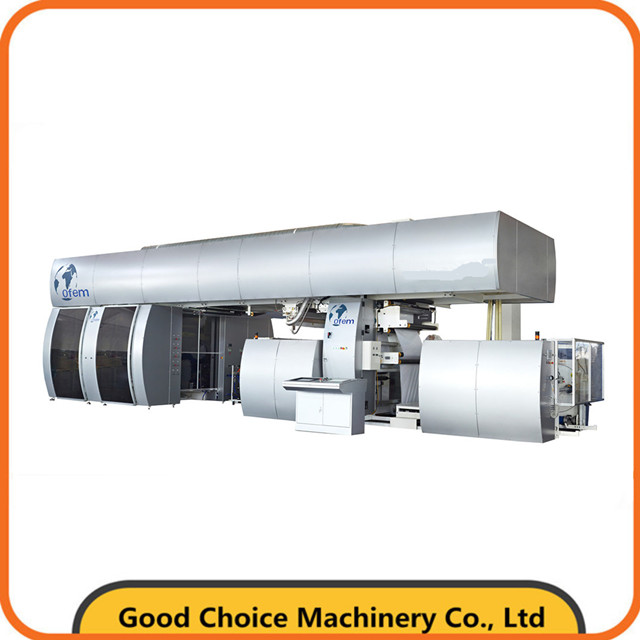
The Central Impression press features a large, single impression cylinder at the center. Around this cylinder, multiple color stations are arranged. Each station applies one color, and the substrate passes around the central drum for all color impressions.
This design offers excellent registration accuracy because the substrate stays on the same cylinder throughout the process. It is especially effective for high-quality, multi-color printing on thin, flexible materials like plastic films, foils, and paper. The CI press is commonly used in flexible packaging, such as food wrappers and labels.
Because all colors print on the same drum, the CI press handles long runs efficiently. However, it may be less flexible for quick job changes compared to other types.
In-line presses arrange printing units in a straight horizontal line. Each unit has its own impression cylinder and color station. The substrate moves sequentially through each unit, receiving one color at a time.
This setup offers great versatility. It can handle a wide variety of substrates, including paper, cardboard, and plastic films. The modular design allows for easy addition of inline finishing processes like die-cutting, laminating, or varnishing.
In-line presses support quick changeovers, making them ideal for shorter runs or jobs requiring customization. They are widely used in label printing, tags, and flexible packaging where flexibility and speed are priorities.
Stack presses stack printing units vertically, one above the other. The substrate passes through each level, allowing printing on either one or both sides.
This vertical design saves floor space and is robust enough for heavy-duty substrates like folding cartons and corrugated boards. Stack presses can print on both sides simultaneously, increasing efficiency for double-sided packaging.
The sturdy construction suits thicker materials and larger formats, making stack presses popular in carton and box printing.
Press Type | Design Feature | Best Substrates | Key Advantages | Typical Applications |
|---|---|---|---|---|
Central Impression | Single large impression drum | Thin, flexible films & paper | High registration accuracy, efficient long runs | Flexible packaging, labels |
In-line | Printing units in a line | Paper, cardboard, plastic | Versatile, easy integration, quick changeovers | Labels, tags, flexible packaging |
Stack | Vertically stacked units | Heavy substrates, cartons | Compact footprint, double-sided printing | Folding cartons, corrugated boxes |
Choosing the right flexo press depends on your substrate, run length, and production flexibility needs. CI presses excel in consistent, high-volume flexible packaging. In-line presses offer adaptability for varied substrates and fast job changes. Stack presses provide heavy-duty printing and space-saving benefits for thicker materials.
Tip: For efficient job changeovers and substrate versatility, consider an in-line flexo press with modular finishing units tailored to your production needs.

Understanding the key components of flexo presses is crucial for grasping how these machines deliver high-quality prints efficiently. Each part plays a specific role in the printing process, influencing factors like ink transfer, image clarity, substrate handling, and automation precision.
The anilox roller is the heart of ink delivery. It transfers a precise amount of ink from the ink reservoir to the printing plate. The roller’s surface features thousands of tiny cells, which hold and meter ink volume.
Cell Structure: Cells vary in shape (hexagonal, square, or elliptical) and volume, measured in billion cubic microns (BCM). Smaller cells deliver less ink for fine detail; larger cells hold more ink for solid coverage.
Material: Typically made of ceramic-coated steel, ensuring durability and resistance to wear.
Impact: Proper cell volume and engraving ensure consistent ink distribution, reducing defects like streaks or color variation.
The chambered doctor blade system sits around the anilox roller. It controls ink flow, scrapes excess ink off the roller, and maintains a uniform ink film.
Design: The chamber holds ink and uses two blades—one to meter ink and another to remove excess.
Advantages: This closed system reduces ink spillage, improves environmental safety, and allows quick ink changes.
Maintenance: Regular blade replacement and cleaning are essential to avoid streaking and maintain print quality.
The plate cylinder holds the flexible printing plate, which carries the image to be printed.
Mounting: Plates attach via adhesive, magnetic, or vacuum systems. Precision in mounting is critical to avoid misregistration.
Material: Cylinders are made from steel or aluminum, designed for stability and minimal vibration.
Function: As the cylinder rotates, the plate presses ink onto the substrate, transferring the image.
The impression cylinder presses the substrate against the plate cylinder to ensure proper ink transfer.
Pressure Control: Adjustable pressure settings accommodate different substrates, from thin films to thick cardboard.
Registration: It plays a key role in maintaining image alignment across multiple colors.
Build: Made robust to handle continuous high-speed runs without deforming the substrate.
Modern flexo presses increasingly rely on servo drives and automation to enhance precision and efficiency.
Servo Drives: Provide independent, precise control of each printing unit’s rotation. This eliminates mechanical backlash common in gear-driven systems.
Automation Features: Include automatic impression adjustment, motorized registration, and remote diagnostics.
Benefits: Faster job changeovers, tighter registration, reduced waste, and consistent print quality.
Tip: Regularly inspect and maintain the anilox roller and doctor blade system to ensure consistent ink transfer and avoid costly print defects.
Evaluating flexo presses today means focusing on advanced technology standards that ensure high performance, precision, and efficiency. These standards help buyers identify presses that meet modern production demands and future-proof their operations. Below are the core technology aspects to consider in 2026.
The mechanical foundation of a flexo press impacts its durability and print quality. Look for:
Robust side frames and cylinders: Steel or aluminum frames that resist vibration and wear during high-speed runs.
Precision gearing and shafting: Minimized backlash ensures consistent registration.
Stable plate and impression cylinders: Designed to maintain exact plate positioning and substrate pressure.
A solid build reduces maintenance needs and keeps print quality steady over time.
Automation is key to reducing errors and speeding up job changes. Essential features include:
Automatic impression setting: Adjusts pressure between plate and substrate for optimal ink transfer.
Motorized registration control: Enables precise alignment of colors with minimal manual intervention.
Remote diagnostics and control: Allows operators to monitor and adjust settings from a control panel or remotely.
These tools reduce waste, improve consistency, and shorten setup times.
Traditional gear-driven presses have mechanical backlash causing registration issues. Modern presses use:
Independent direct servo motors for each printing unit.
Precise speed and position control that eliminates mechanical slack.
Benefits include:
Sharper print registration.
Faster job changeovers.
Reduced mechanical wear and downtime.
This technology is a must-have for high-quality, multi-color flexo printing.
Flexo presses with modular inline finishing enhance productivity by combining processes. Look for:
Die-cutting, slitting, and embossing units integrated on the press.
Lamination and varnishing stations for added finishing effects.
Hybrid printing options that combine flexo with digital inkjet for variable data and short runs.
These capabilities allow a continuous workflow, reducing handling time and costs.
Color accuracy is critical for brand consistency. Advanced presses offer:
Closed-loop color management: Automatically adjusts ink density to maintain color fidelity.
Inline spectrophotometers: Continuously measure color during printing.
100% camera-based inspection systems: Detect defects like streaks, smudges, or registration errors in real time.
These systems minimize waste and ensure every print meets quality standards.
Before finalizing a purchase, insist on a rigorous Factory Acceptance Test:
Live production runs using your own files to verify print quality and registration.
Testing automation features like automatic impression and registration adjustments.
Measuring Overall Equipment Effectiveness (OEE): Confirm uptime, speed, and waste levels meet your expectations.
Verification of mechanical stability and drive precision under real operating conditions.
FATs provide confidence that the machine performs as promised and fits your production needs.
Tip: Always require a comprehensive Factory Acceptance Test (FAT) using your actual production files to validate a flexo press’s automation, registration accuracy, and overall performance before purchase.
Flexo presses serve many industries thanks to their speed, versatility, and ability to print on diverse materials. Understanding how different sectors use flexo technology helps businesses select the right press and optimize production.
Label printing is one of the most common applications of flexo presses. Labels require high-resolution images, sharp text, and consistent color to meet brand standards. Flexo presses handle substrates like BOPP, PET, PE films, and coated papers commonly used for labels.
Material Compatibility: Flexible films and papers that withstand handling and environmental exposure.
Quality Needs: Crisp edges, vibrant colors, and precise registration for multi-color designs.
Press Selection: In-line presses excel here due to their modularity and quick changeover capabilities, ideal for short to medium runs with varied designs.
Flexible packaging includes pouches, wrappers, and bags made from plastic films, foils, or laminates. These substrates need specialized handling to avoid damage during printing.
Substrate Challenges: Thin, stretchable films require careful tension control and precise impression pressure.
Press Choice: Central Impression (CI) presses are preferred for their excellent registration and ability to print multiple colors in long runs on thin films.
Ink Systems: UV and water-based inks are common, balancing durability and food safety compliance.
Corrugated packaging demands robust printing solutions. The thick, uneven surface of corrugated board challenges ink transfer and registration.
Material: Thick cardboard or corrugated fiberboard.
Press Requirements: Stack presses are ideal, offering strong impression cylinders and the ability to print on both sides simultaneously.
Applications: Branding, shipping labels, and product information on shipping boxes.
Small format items like tags and tickets require flexible and fast printing solutions.
Substrate Variety: Paper, synthetic stocks, and specialty materials.
Press Advantages: In-line presses provide quick setup and the ability to integrate finishing processes like die-cutting and numbering.
Use Cases: Event tickets, retail tags, and promotional items.
New technologies push flexo presses into smart packaging.
RFID Labels: Flexo presses print antenna patterns and integrate RFID inlays for tracking and authentication.
Smart Labels: Combine printed electronics and sensors with traditional printing.
Press Adaptations: Require precise registration and compatibility with electronic components, often leveraging hybrid flexo-digital presses.
Tip: When selecting a flexo press for your application, consider substrate type, run length, and finishing needs carefully to ensure optimal print quality and operational efficiency.
Choosing the right flexo press is a crucial decision that impacts print quality, production efficiency, and overall business success. Several key factors must be considered to ensure the press meets your specific printing needs and operational goals.
Start by defining the printing width required for your products. Narrow-web presses (250-600 mm) suit label printing and small packaging. Mid-web presses (600-1200 mm) fit flexible packaging needs. Wide-web presses (1200 mm and above) handle large-scale packaging or industrial jobs.
Next, consider the number of color stations. Simple designs may need only 4 colors, but complex graphics demand 6 or 8 color units for richer, full-color prints. More color stations offer greater design flexibility but increase machine complexity and cost.
Your press must handle the substrates you plan to print on. Common materials include BOPP, PET, PE films for labels and packaging, coated papers for premium finishes, kraft paper for eco-friendly options, and corrugated boards for boxes.
Ink compatibility is equally important. UV flexo inks provide fast drying and vibrant colors, ideal for high-quality labels. Water-based inks offer eco-friendly, food-safe solutions but may require specific press features for optimal performance.
Double-sided printing and corona treatment capabilities can improve adhesion on non-porous substrates, expanding your material options.
Production speed affects your output and profitability. Typical flexo presses run between 100 to 300 meters per minute. Choose a speed that matches your volume and deadlines.
Look for automation features like automatic registration, tension control, and quick job changeover systems. Servo-driven presses offer precise control and reduce setup times, boosting efficiency and minimizing waste.
Modern flexo presses often include inline finishing options that streamline production:
Lamination and varnishing for protection or special effects
Cold foil and hot stamping to enhance branding
Die-cutting and slitting for ready-to-use labels and packaging
Inline inspection systems to catch defects early
Modular designs let you add or upgrade features as your business grows, providing flexibility and cost control.
Your flexo press is a long-term investment. Choose a manufacturer with a strong reputation for quality, reliability, and responsive support.
Consider:
Onsite installation and operator training
Remote troubleshooting and diagnostics
Spare parts availability and warranty terms
Preventative maintenance programs
Reliable after-sales support ensures your press runs smoothly and downtime is minimized.
Tip: When selecting a flexo press, prioritize machines with servo-driven automation and modular inline finishing to maximize efficiency and adapt to evolving production needs.
Optimizing the performance of a flexo press means keeping every part working smoothly and efficiently. Proper maintenance and setup reduce waste, improve print quality, and extend machine life. Here are key areas to focus on for best results.
Start with precise machine setup before every run. This includes:
Adjusting impression pressure to avoid over- or under-inking. Too much pressure causes smudging; too little results in weak images.
Calibrating registration systems so colors align perfectly. Use servo-driven controls for fine tuning.
Setting web tension correctly to keep the substrate flat and wrinkle-free.
Aligning plates and cylinders precisely to prevent image distortion.
Regular calibration checks between jobs help maintain consistent quality and reduce downtime.
The anilox roller controls ink volume. Keep it clean and in good shape:
Clean rollers daily using recommended solvents or ultrasonic cleaning to remove dried ink.
Inspect roller cells for clogging or wear; clogged cells cause uneven ink distribution.
Replace or sharpen doctor blades regularly to ensure they remove excess ink without damaging the roller.
Store anilox rollers properly when not in use to avoid contamination or damage.
Proper maintenance here prevents streaks, color variation, and wasted ink.
Consistent web tension is vital for smooth substrate movement:
Use automatic tension control systems to adjust tension in real-time.
Monitor tension across different zones to avoid stretching or slack.
Ensure rollers and guides are clean and aligned for smooth feeding.
Handle substrates carefully to avoid creases or damage before printing.
Good tension control reduces registration errors and material waste.
Waste cuts into profits. Minimize it by:
Using automated ink control systems to avoid over-inking.
Implementing inline inspection cameras to detect defects early.
Optimizing machine speed and pressure settings for each substrate.
Training operators on best practices for setup and troubleshooting.
Efficient operation lowers material costs and increases throughput.
Preventive maintenance keeps your press running longer:
Schedule regular lubrication, part inspections, and replacements.
Check mechanical components like gears, bearings, and belts for wear.
Use remote diagnostics to monitor machine health and predict failures.
Address issues before they cause breakdowns or quality problems.
A proactive maintenance program reduces unplanned downtime and repair costs.
Tip: Implement a daily checklist for anilox roller cleaning, pressure calibration, and web tension checks to maintain optimal flexo press performance and minimize waste.
Flexo presses are evolving rapidly, embracing new technologies to meet demand for faster, greener, and more versatile printing. These advances help businesses reduce costs, improve quality, and stay competitive. Let’s explore the key trends shaping flexo presses in 2026 and beyond.
Sustainability drives innovation in ink technology. Water-based inks reduce volatile organic compounds (VOCs) and environmental impact. They offer:
Safer handling and disposal
Compatibility with food packaging
Good print quality on porous and coated substrates
Challenges remain in drying speed and adhesion on some plastics, but ongoing improvements make water-based inks a strong eco-friendly choice. Many presses now support easy switching between water-based and UV inks to maximize flexibility.
UV curing ensures instant ink drying, boosting production speed and durability. LED UV curing, a newer option, adds benefits:
Lower energy consumption
Reduced heat generation, protecting heat-sensitive substrates
Longer lamp life and less maintenance
UV and LED UV curing enable high-quality prints on diverse materials, including plastics and films. This tech is becoming standard for flexible packaging and labels requiring fast turnaround and vibrant colors.
Double-sided printing presses print on both substrate sides in a single pass, improving efficiency for packaging like folding cartons and labels.
Hybrid presses combine flexo printing’s speed and cost-effectiveness with digital printing’s flexibility and variable data capabilities. Benefits include:
Short-run customization
Variable barcodes and QR codes
Enhanced color and image quality
This hybrid approach suits brands needing personalized packaging or quick design changes without sacrificing volume.
Modern flexo presses often feature integrated finishing units like:
Die-cutting for precise shapes
Embossing for texture and premium feel
Slitting for converting wide webs into narrower rolls
Inline integration reduces handling, setup time, and waste. It creates a continuous workflow from printing to finished product, increasing throughput and lowering costs.
Presses adapt to print on recyclable, compostable, and biodegradable substrates, supporting circular economy goals. Innovations include:
Optimized ink formulations for eco-materials
Corona and plasma treatments enhancing ink adhesion
Compatibility with new bio-based films and papers
These advances enable brands to offer sustainable packaging without compromising print quality or durability.
Tip: Embrace flexo presses featuring LED UV curing and inline finishing to boost productivity, reduce energy use, and prepare for eco-friendly packaging demands.
Flexo presses offer versatile printing solutions with precise ink transfer and substrate handling. Choosing the right press depends on your materials, run length, and production needs. Innovation in automation and curing technologies enhances print quality and efficiency. Advanced features future-proof your operations by supporting eco-friendly inks and inline finishing. GOOD CHOICE delivers flexo presses combining reliability, cutting-edge technology, and customization. Their products provide exceptional value, helping businesses achieve high-quality, efficient, and sustainable printing results.
A: Flexo presses include Central Impression (CI), In-line, and Stack presses. CI presses excel in high-quality multi-color printing on thin films, In-line presses offer versatility and quick changeovers for varied substrates, and Stack presses handle heavy-duty substrates with double-sided printing capabilities.
A: Components like the anilox roller control ink transfer, the doctor blade manages ink flow, and servo drives enable precise registration. Proper maintenance of these parts ensures consistent ink distribution and high-quality prints.
A: Servo drives provide precise control of each unit, reducing setup times and registration errors. Automation features like automatic impression and registration adjustments improve efficiency and reduce waste.
A: Consider printing width, number of color stations, substrate compatibility, ink systems, production speed, inline finishing options, and manufacturer support to match your specific printing needs.
A: Regular calibration, anilox roller cleaning, tension control, and preventive maintenance are key. Using inline inspection and automation reduces waste and improves efficiency.
A: Trends include eco-friendly water-based inks, LED UV curing, hybrid flexo-digital printing, inline finishing integration, and sustainable substrate compatibility to meet modern production and environmental demands.