close
Choose Your Site
Global
Social Media
Views: 0 Author: Site Editor Publish Time: 2026-08-10 Origin: Site


Substrate | Unit Cost | Barrier Strength | Durability | Eco-Impact |
|---|---|---|---|---|
Rigid Plastics | Low | Moderate | High | High Pollution |
Flexible Plastics | Very Low | Moderate | Low | Low Recyclability |
Glass | High | High | Fragile | High Recyclability |
Metals | Moderate | High | High | High Recyclability |
Paperboard | Low | Low | Low | High Recyclability |
Bio-Based Plastics | High | Low | Low | High Compostability |
Picking the best Food Packaging Materials forces food makers to balance difficult choices. Good containers must keep food fresh for a long time. They also need to shield items from damage during rough shipping trips. Still, businesses must always balance safety against production costs, storage space, and environmental pollution. Finding the right mix requires a careful look at each material.
Table of Contents
Plastics protect food from wetness at cheap prices, but they cause long-lasting pollution.
Flexible bags save room during transport and lower fuel expenses, but pointy items easily rip them.
Glass stops all air and can be recycled forever, but its heavy weight increases shipping costs.
Metal cans stop all light and air, but acidic foods can damage unlined metal surfaces.
Paperboard costs less and recycles easily, but water quickly softens paper fibers that lack protection.
Plant-based bioplastics lower carbon emissions, but high shipping heat causes them to lose their shape.
Food safety rules require tough testing to prevent dangerous packaging chemicals from seeping into food.
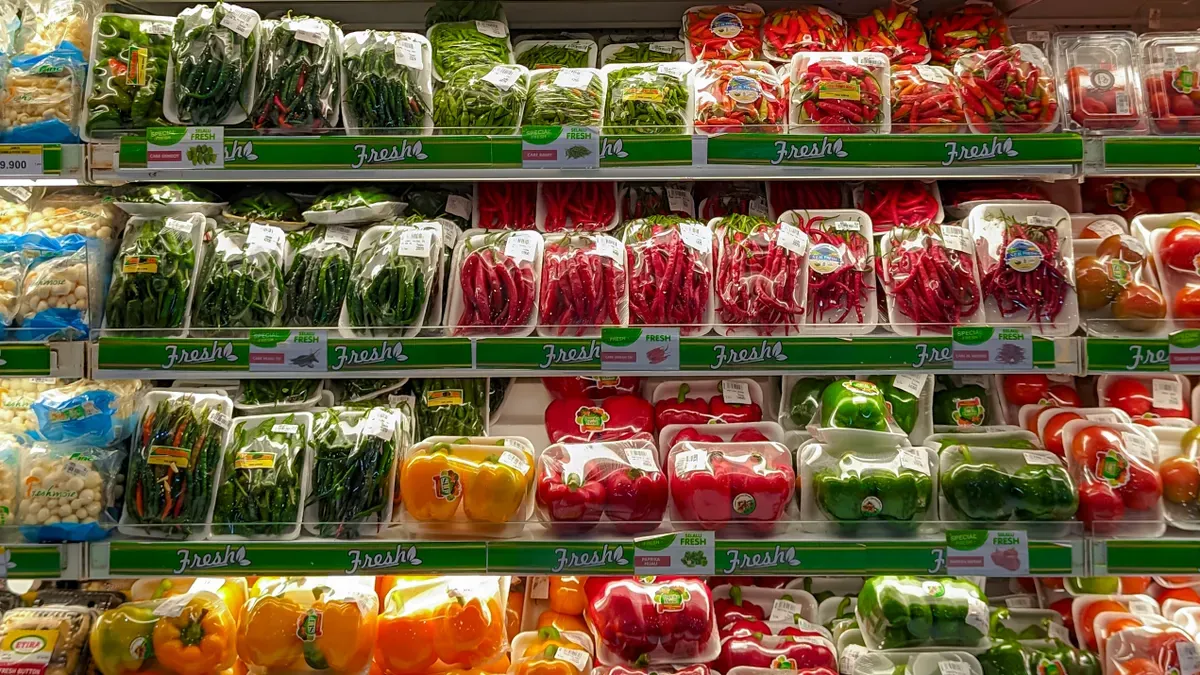
Plastics make up a huge part of the global food packaging market. Experts predict that plastics will capture 41.4% of the global market share by 2025. Companies pick these flexible Food Packaging Materials because they offer great food protection at reasonable prices.
Hard plastic containers shield food items from physical damage while sitting in storage. Makers frequently pick Polyethylene Terephthalate (PET) for clear bottles and High-Density Polyethylene (HDPE) for tough milk containers. These sturdy materials create strong moisture shields that keep food fresh much longer.
In addition, hard plastics keep their original shape even under heavy physical weight. Stacking heavy boxes will not easily crush these solid plastic containers. This natural strength keeps delicate food items safe on long shipping trips.
Hard plastics do not break down naturally, creating long-lasting waste problems for our planet. Non-biodegradable expanded polystyrene foam, often called Styrofoam, stays in landfills for hundreds of years. Animals frequently swallow tiny plastic pieces, which causes them serious health problems.
Also, throwing these items away improperly lets toxic chemicals leak into soil and natural water sources. Cities struggle to handle the giant pile of trash from thrown-away solid plastics. Making these chemicals also uses lots of energy, which raises overall carbon pollution.
Flexible bags improve shipping work by saving a tremendous amount of physical room. The table below shows major working differences between flexible choices and hard plastic containers:
Aspect | Flexible Plastic Packaging | Rigid Containers |
|---|---|---|
Weight | Made from lightweight materials; uses less material. | Heavier materials like glass and hard plastics add weight. |
Space Efficiency | Takes up less space during storage and transport. | Bulkier; occupies more space. |
Logistical Impact | Enables shipping more products per truckload, reducing costs. | Increases transportation costs due to weight and bulk. |
Shipping lighter bags reduces the gas needed for big delivery trucks. Delivery trucks fit far more filled bags per trip because soft shapes waste no empty space. Saving this extra room lowers total shipping expenses for food companies.
Soft plastic bags have no firm structure and tear easily on sharp outer items. Rough handling during shipping can quickly poke holes in thin plastic wraps. A small hole ruins the protective air inside and makes the food spoil quickly.
Plus, multi-layered plastic wraps make basic city recycling programs much harder to run. Factories glue different plastic sheets to metal foils to increase food protection. Normal recycling centers cannot split these glued layers, so workers throw them into landfills.
Food companies pick plastics for products that need low overall weight and strong moisture protection. Fresh vegetables, drink bottles, snacks, and pre-made meals work great with these plastic materials. Hard trays keep soft fruit safe, while thin films shield crunchy chips well.
Glass packaging offers amazing physical protection for storing food over long periods. Food makers choose glass to protect natural product flavors and show off a high-end look to shoppers.
Glass keeps food fresh because it is very chemically stable. This solid material builds a total wall between stored items and outside environmental dangers. Dangerous chemicals from glass never leak into liquids or solid foods over long periods.
Glass jars block outside air completely. External oxygen cannot sneak inside sealed jars to spoil sensitive ingredients. Carbonation stays trapped inside bottles, so fizzy drinks keep their original bubbly sensation. Food stays tasting fresh without adding extra chemical preservatives.
Glass provides an attractive visual style that highlights product freshness. Buyers see exact food contents through clear container walls, building strong buying confidence. High-end food brands choose glass packaging to boost brand image and attract retail shoppers.
Glass offers incredible environmental benefits through continuous material recycling. Processing plants can melt and remaking glass jars endless times without losing material strength or purity. Glass bottles undergo endless recycling to stop solid landfill waste from piling up.
Heavy weight raises total shipping costs by a large amount. A single 2 fl. oz. glass bottle weighs 0.177 lbs, but a plastic bottle of that size weighs only 0.023 lbs. A shipping box holding 500 units weighs 88.5 lbs for glass compared to 11.5 lbs for plastic.
Heavy cargo demands extra truck fuel over long delivery routes. One full pallet of glass containers weighs about 1,500 pounds, while a plastic pallet weighs near 400 pounds. These heavy shipments can easily triple or quadruple freight expenses over plastic choices.
Sudden hard bumps easily shatter rigid glass container walls. Warehouse delivery accidents ruin full product cases during standard loading tasks. Broken glass pieces ruin nearby food stocks and cause quick physical dangers for factory workers.
Quick temperature changes also strain solid glass items. Fast heating or sudden cooling causes thermal shock that snaps heavy jars during manufacturing. Processing plants must control washing and filling temperatures carefully to stop costly container damage on assembly lines.
Food companies pick glass jars for specialty foods needing maximum barrier protection. Fancy condiments, sauces, jams, pickles, and baby food stay safe inside clear glass jars. The drink market led the industry with a huge revenue share of 71.2% in 2025.
Drink makers rely on glass bottles for top-quality store liquids. Fancy drinks like wine, spirits, craft beer, and cold brew coffee keep rich flavor profiles inside sealed bottles. Packaging teams pick glass containers to bring pure taste straight to dining tables.
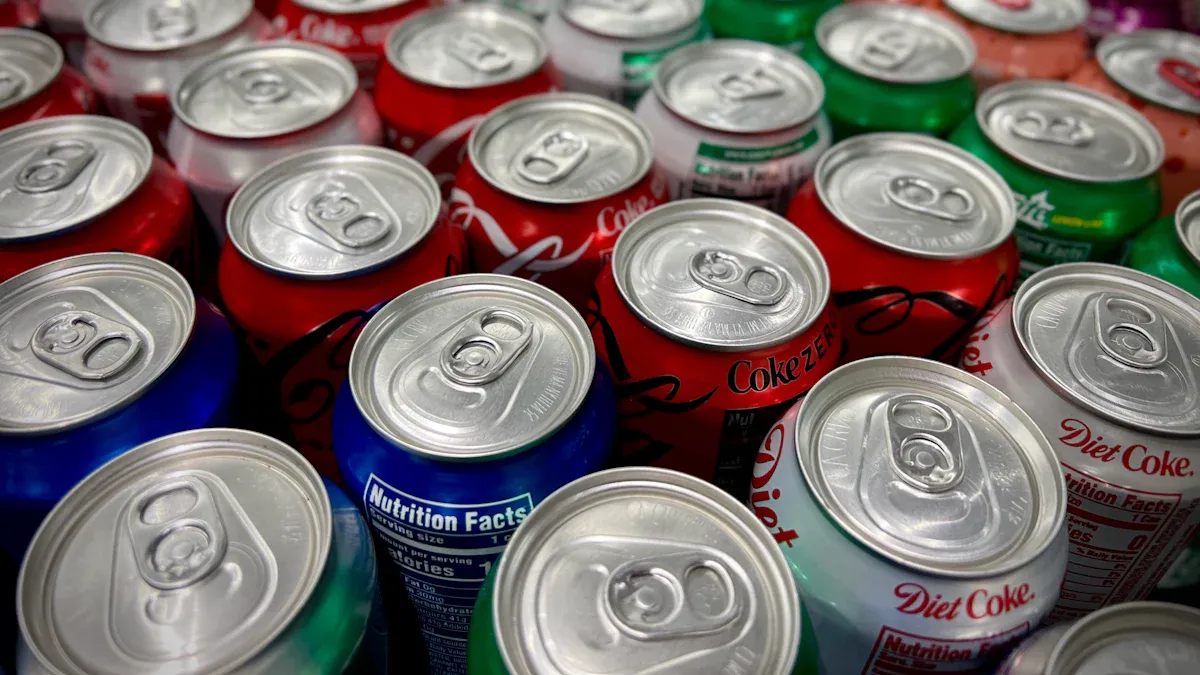
Metal cans keep out all outside light and fresh air. Sun Rays destroy important food health benefits and change natural colors over time. Outside air spoils natural oils, which makes food taste bad very fast.
Sealed metal cans make a totally airtight space around packaged foods. Tiny gas bubbles cannot move through solid metal walls. Fresh food keeps its original taste without adding extra chemical items.
Solid metal walls guard delicate foods from hard bumps during long delivery trips. Storage workers stack heavy cans high without crushing boxes on the bottom floor. Strong metal bodies stop shipping accidents across long truck routes.
Metal cans easily handle intense heat inside large factory pressure cookers. Heat travels fast through metal walls to kill dangerous food bacteria. Metal bodies keep their exact shape under hot temperatures and high pressure.
Sour foods can wear down bare metal walls after a long time. Unlined aluminum cans with apple juice at pH 3.65 release maximum migration levels near ~11 mg/L of aluminum into the liquid. Putting in a thin organic layer (1-10 μm thick) lowers this migration maximum to ~2.8 mg/L. Unlined canned grape juice kept at 35°C shows a migration rate of 0.18 mg/kg/month. Unlined canned beer kept at 22°C shows an average migration rate of 54 mg/L/month.
Factory workers spray protective coatings inside cans, but these thin layers bring extra chemical risks. Major details about these protective inner layers include:
Organic coatings (1-10 μm thick) separate sour foods from bare metal walls.
Bisphenol A (BPA) leaks from old linings and acts like a harmful chemical disruptor.
Epoxy resins inside canned beers and vinyl/PVC options bring unique health dangers.
Making new raw metal uses massive amounts of power. Mining raw materials and melting raw aluminum require super hot temperatures. Using this much power creates high carbon pollution before making a single can.
Metal cans weigh much more than light plastic wraps. Heavy container weight raises total truck loads on long highway shipping trips. Carrying heavier boxes uses extra truck gas and raises total shipping costs.
Food makers pick metal cans for long-lasting foods that need strong protection. The global Food and Beverage Metal Cans Market achieved a valuation of USD 47.7 Billion in 2024. Industry experts expect this market to reach USD 94.7 Billion by 2034.
Metal cans work great for storing cooked foods like soups, fruits, and vegetables. Soda companies also choose aluminum cans for bubbly drinks and beer to keep fresh taste inside.

Paperboard gives companies an eco-friendly choice for wrapping different foods. Natural wood fibers quickly rot away in regular outdoor environments. Local recycling centers process clean paper items while using very little energy. Normal plants collect old boxes and mash the fibers into fresh paper without making dangerous chemical pollution.
Paper products weigh much less than heavy glass jars or metal cans. Light boxes lower total shipment weight when trucks transport items on highways. Shipping teams put solid bleached sulfate board into light folding boxes for store displays. Delivery crews choose wavy paperboard boxes for bulk transport because the middle layers absorb big bumps during trips.
Raw paper pulp costs less than heavy metals or custom synthetic plastics. Fast factory machines cut, fold, and glue paperboard sheets in a hurry. This quick making process lowers overall creation costs for large commercial companies.
Paperboard surfaces soak up colorful printing inks very evenly. Industrial printing machines stamp bright brand logos, fun graphics, and health facts right onto outer box sides. Food makers show detailed product info on market shelves to teach buyers without buying extra sticky labels.
Plain paper fibers soak up wet air and liquids super fast. High air moisture softens plain paper walls in just a few minutes. Water vapor breaks the natural connections holding paper fibers together, which destroys simple cardboard boxes.
Wet cardboard boxes crush easily under heavy top weight inside cold storage rooms. Damp rooms make plain paper walls rip open during normal warehouse work. Storage managers must control moisture levels inside buildings to stop full box failure.
Plain paperboard cannot block outside gases or hold liquids inside. Food makers add thin plastic layers to paper sheets to store liquid foods safely. These inner plastic films stop milk, juice, and wet soups from soaking through paper walls.
However, plastic-lined liquid boxes make local city recycling tasks much harder. Regular recycling centers struggle to pull thin plastic coatings off paperboard fibers. Special mashing mills must strip those stuck plastic layers away before workers can save the clean paper pulp.
Paperboard stays a top material choice throughout global grocery stores. The food and drink industry makes up about 52% of all carton box sales in 2025. Market experts think the paperboard box market will grow by 8.9% each year from 2026 to 2033.
Companies pick paperboard folding boxes as outer covers for dry cereal, frozen meals, candy, crackers, cake mixes, and pasta. Dairy makers choose peaked-top cartons for cold liquid drinks. Factory teams trust sterile box packages for room-temperature liquids, showing these food packaging materials work across many delivery routes.
Companies build eco-friendly bio-plastics from farm crops like cornstarch and sugarcane. Using harvested plants lets factories skip petroleum oil completely. Growing green crops pulls carbon dioxide right out of our air.
Absorbing gases cuts down on global warming pollution compared to making oil products. Using renewable plants creates smaller carbon footprints during factory production. Food makers protect our planet by picking plant-based plastic materials.
Special facilities turn plant-based plastics into rich soil for local gardens. Industrial compost sites use high heat and wet air to break down trash. Tiny organisms safely eat polylactic acid (PLA) plastics inside these warm buildings.
Breaking down fully stops trash from piling high in local dumps. Composting keeps dirty food containers out of regular city landfills. Soil microbes change plant chains into natural dirt without leaving plastic waste behind.
Eco-plastics have a hard time standing up to high heat levels. The table below shows key performance gaps between polylactic acid (PLA) and standard plastic (PET):
Property | PLA | PET |
|---|---|---|
Melting Point | ~150–160°C | ~250–260°C |
Thermal Stability | Degrades around 200°C | Maintains stability up to 300°C |
Oxygen Barrier | Low | Moderate |
PLA melts out of shape when temperatures rise above 60°C in trucks. Weaker gas shields let outside air slip inside closed containers quickly. Bubbly sodas lose their fizz because gases leak right through thin plastic walls.
Higher material prices raise overall costs for food wrapping companies. Small eco-factories turn out lower material amounts than huge oil plants. Small crop harvests make plant-based plastic resins harder to find.
Material shortages push up buying prices across global supply networks. Food companies face money risks when crop prices jump around. Building custom chemical factories requires huge cash investments upfront.
Food companies pick plant plastics for fresh snacks and quick fast-food meals. The global food packaging market for bioplastics will hit US$ 12.6 billion by 2026. That number equals 46% of the entire eco-friendly packaging industry. Experts think this market will jump to US$ 29.1 billion by 2033 with an annual growth rate (CAGR) of 12.7%.
Shops choose clear PLA trays, hot cup lids, salad bowls, and takeout boxes for quick eating. Flexible bags and pouches will take up about 28.2% of the market in 2026. Fast-food spots wrap fresh veggies, bakery treats, and green salads using these compostable wrappers.
Companies must check several technical details before choosing store containers. Picking good options means balancing item safety, shipping protection, and official rules. Businesses watch how ingredients touch container walls during long storage times. They study shipping bumps and food laws to keep quality high across store supply chains. Studying these choices helps companies protect public health while keeping their profits steady.
Direct contact between foods and containers can spark unwanted chemical reactions. Small packaging pieces sometimes leak into stored goods over long shelf lives. Acidic tomato sauces, sour juices, and rich dairy items speed up this chemical movement. Unlined aluminum cans react with sour liquids, while fatty foods soak up soft plastic chemicals. Formulators choose safe, non-reactive Food Packaging Materials to stop bad flavor changes, ruined textures, and health risks.
Every food item needs custom air control to stop fast spoilage. Outside oxygen turns natural fats sour and darkens bright food colors. Extra air moisture quickly softens crunchy potato chips, while dry room air hardens fresh bread. Packaging experts compare needed shelf times against material air leakage speeds. Sealed glass bottles, solid cans, or high-barrier plastic wraps block outside moisture and gases well. Special vacuum sealing and gas flushing help stretch food freshness even longer.
Rough handling on long shipping trips easily breaks unprotected store goods. Delivery trucks shake stacked pallets with strong physical bumps, sudden drops, and heavy top loads. Heavy options like glass jars raise overall truck weight and fuel costs. Light plastic wraps cut shipping fees but need strong outer cardboard boxes for safe stacking support. Warehouse teams stack pallet goods carefully to stop crushing inside storage buildings. Good pallet wrapping stops boxes from shifting during quick truck stops.
Container choices directly change factory work costs and fast packaging lines. Fast automatic filling tools need exact shapes and firm walls to run smoothly. Custom plant plastics or multi-layer metal wraps cost more than plain paperboard boxes. Changing old packaging machines to use new materials requires huge cash spent upfront. Factory workers also watch material damage rates during bottle shaping tasks. Plant managers track total running costs and machine speeds instead of single container prices alone.
Food safety laws require strict proof steps for safe materials across global markets. Neither the FDA in America nor leaders in the European Union give out direct official safety stamps. Instead, both regions use a self-reporting system where companies must prove legal compliance on their own.
The FDA in America and leaders in the EU use a self-reporting system where companies must prove their items meet safety rules.
To follow safety rules under EU Regulation 10/2011, businesses complete four clear steps:
Review Ingredients: Makers check every raw ingredient against an approved safety list.
Demonstrate Compliance: Engineers run computer simulation models or conduct physical lab testing.
Key Tests: Testing labs run Overall Migration tests alongside Specific Migration tests.
Issue Declaration of Compliance (DoC): Factories sign an official legal paper confirming safety along with test lab reports.
EU Regulation 10/2011 applies to specific plastic uses across factory production lines:
Material/Article Type Covered by Regulation (EU) 10/2011 |
|---|
Items made completely out of solid plastic parts |
Multi-layer plastic items stuck together using strong glues |
Plastic items that can be printed on or covered by outer coatings |
Plastic inner layers forming soft seals inside bottle caps |
Plastic layers placed inside multi-material wrapped items |
Safety rules enforce a total leakage cap of 10 mg/dm² for all plastic materials. Special chemical caps limit certain single ingredients.
Green rules also guide future material choices for growing food brands. Eco-friendly guidelines force companies to cut total factory trash and use recycled materials in production steps. The EU packaging waste rules set clear goal targets across global markets:
Packaging waste reduction: Cut total waste by 5% by 2030, and 15% by 2040 using 2018 levels.
Recycled content mandate: Use at least 30% recycled content by 2030 for plastic packaging.
Brands must match their container choices with these green targets while picking the best Food Packaging Materials for their items.
Each type of food packaging comes with its own pros and cons. Hard and soft plastics are very lightweight and block out water well, but they end up creating long-lasting trash on our planet. Glass jars and metal cans block out air and light totally, but high delivery fees or breakable walls lower their value. Cardboard boxes lower transport costs and recycle with ease, but plain paper soaks up water fast. Plant-based plastics create less air pollution, but hot temperatures melt them out of shape.
Not a single material can meet every store packaging need. Finding the best Food Packaging Materials means balancing strong food shields, tough physical strength, and green goals. Business owners need to test real store shelf life and check long-term planet impacts before choosing a material to keep food safe and fresh.
Glass and metal containers keep out all outside gases. Fresh air cannot pass through solid glass walls or sealed metal cans. These strong options keep food fresh for a long time without adding extra chemical items.
Bare metal cans react with sour foods like fruit juice and tomato sauce. Leaking chemicals ruin natural flavors and destroy the metal walls. Factories spray thin inner coatings inside cans to keep sour foods off bare aluminum or steel surfaces.
Factories glue different plastic layers to aluminum foils to build stronger shields. Local recycling plants cannot split these glued sheets during normal work. As a result, recycling workers throw multi-layer wraps straight into local trash dumps instead of saving them.
EU Regulation 10/2011 controls plastic materials that touch store food products. This safety law sets a top chemical leakage limit of 10 mg/dm² into food items. Packaging makers must complete lab tests and sign official safety papers to prove compliance.
Plant plastics like PLA have low heat resistance compared to regular plastics like PET. PLA containers warp easily when inner delivery truck temperatures rise above 60°C. High heat breaks down weak plant structures along hot shipping routes.
Heavy items like glass raise overall truck load weights by a large amount. Delivery trucks burn extra gas carrying heavy shipments on long highway routes. Switching from heavy glass jars to light plastic wraps lowers overall shipping costs for food companies.