close
Choose Your Site
Global
Social Media
Views: 0 Author: Site Editor Publish Time: 2026-08-05 Origin: Site


Paper Bag Machines turn big paper rolls into finished bags. They fold, glue, and cut the paper smoothly. You feed paper rolls into the machine. This keeps the factory line running without stopping.
Modern machines control the paper tightness automatically. This stops the paper from tearing. It also prevents alignment errors. Fast spinning blades cut paper tubes at exact lengths. Built-in gluing systems apply cold or hot glue. They seal long edges and bottom folds automatically.
These connected machine parts boost your total factory output. They also help reduce raw material waste. Machine speed changes with different setups and tech levels.
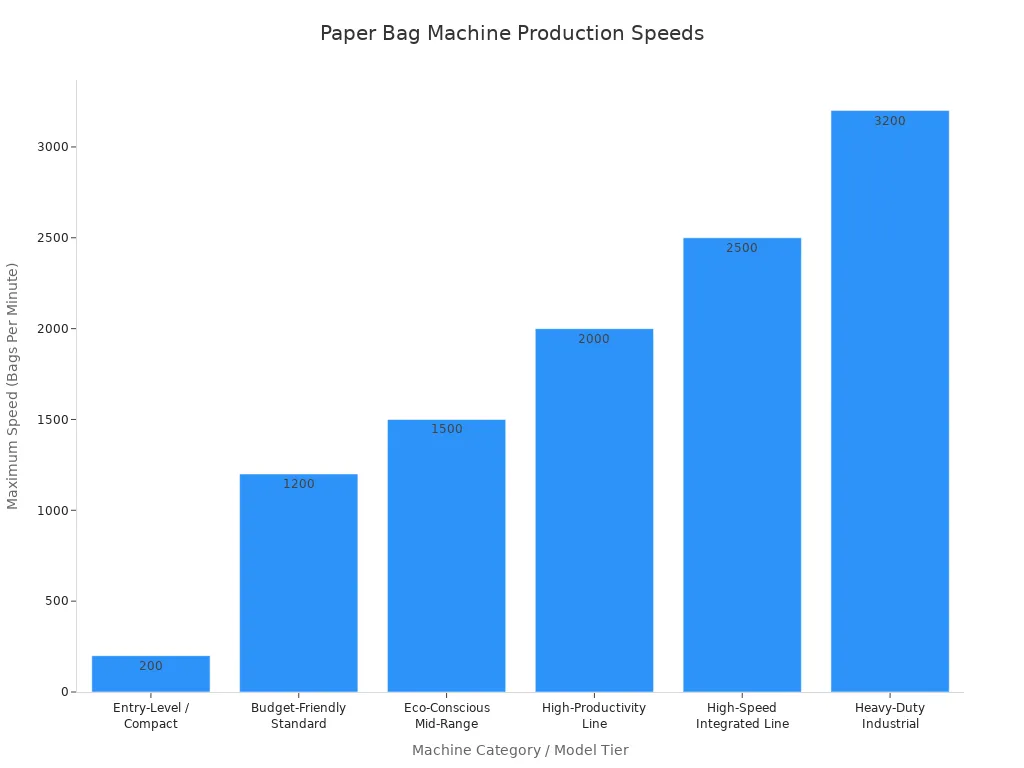
As a manager, you control total work efficiency. You also manage single unit making costs.
Table of Contents
Paper bag machines turn paper rolls into bags.
They fold, glue, and cut the paper.
Automatic systems control paper tightness and stop tearing.
Motors and computers let workers change bag sizes fast.
Sensors read paper marks for exact cuts.
Roll-fed machines quickly make many basic bags.
They can make 1000 bags per minute.
Square-bottom machines make strong bags that stand.
V-bottom machines quickly make lighter snack bags.
Daily care and fast adjustments lower waste.
These steps also help stop paper jams.
Learn how machines turn paper rolls into bags. They run without stopping. The system matches speeds very carefully. It guides the paper straight. These parts keep production moving. They also protect the delicate paper.
Fast bag making needs matching parts. Every part moves together. One main motor powers the whole machine.
Strong steel shafts and gears move the paper. They turn the feeding rollers. They drive the rotary cutter heads. Gears keep parts moving together. This stops paper from bunching up. It stops paper stretching too.
New machines use small extra motors. Each motor runs one main part. A main computer sends fast commands. You change bag lengths on a screen. The motors change their speed instantly. Cutting blades stay perfectly matched. Gluer units stay matched too.
Paper web tension needs careful tracking. Sensors check paper tightness continuously. Powder brakes add shaft resistance. Paper roll unwinding stays very smooth. The motor system relies on three main settings:
Initial Tension Value: Sets baseline tightness at the core.
Final Tension Value: Sets lower tightness for full rolls.
Tension Taper Profile: Sets the smooth curve for changing tightness.
Paper rolls can slip sideways sometimes. Light sensors scan the paper edge. They spot tiny alignment errors quickly. The sensors alert a motor frame. The frame shifts the roll stand. This keeps side seams very straight. Inline printing stays accurate too.
You turn heavy paper rolls into bags easily. Simple steps run automatically. The machine moves raw paper without stopping. It handles side gluing and handle application smoothly. It completes tube forming, cutting, and bottom shaping fast.
You start production at the unwinding station. Fast bag making needs smooth paper supply.
You put big paper rolls on air shafts. Workers push a valve button to inflate grips. These grips hold the paper core tightly. The shaft stops paper slippage during fast unwinding.
Automated splicing systems swap old paper rolls quickly. Your machine keeps running fast. The system uses special mechanics during reel changes.
Splicing Method | Mechanism for Maintaining Line Speed | Operational State at Splice Point |
|---|---|---|
Zero-Speed Splicing | Feeds downstream equipment from a paper accumulator buffer | The active web temporarily stops |
Flying Splicing | Joins the new roll using adhesive tabs at maximum running speed | Operates continuously at full speed |
Paper rolls move to printing and seam units.
You feed paper into printing presses for designs. Fast plates transfer water-based ink onto paper. Metered anilox rollers control ink flow well. This step makes bright graphics without smudging paper.
The machine puts glue along the paper edge. This action builds strong side seams. Cold water-based glue works great for basic seams. Hot-melt adhesive sprayers apply fast-setting glue quickly. They handle coated papers or fast lines well. Fine nozzles spray exact glue lines to stop messes.
Many retail stores need strong handles. Extra tools make handles before forming tubes.
Extra units make handles from raw materials easily. The machine twists paper strips into strong cords. It also folds flat paper tape into handles.
The system glues handles onto patch strips. Moving arms press patches onto the moving paper. Hot-melt glue sticks patches fast. The paper carries attached handles to tube forming.
You fold paper into a tube after side gluing. Sharp tools cut the long tube into single bags.
Paper passes over a metal former plate structure. You adjust side guides to change bag width. Metal boards fold edges over the center template. Tucking wheels push paper in to form gussets. Smooth folding shapes a tight tube without tears.
Moving paper tubes go into fast cutting areas. A spinning blade slices paper against a fixed knife.
cut length = web speed / knife rotation speed
Servo motors change blade speed for bag length. Sensors spot printed marks on moving paper. Sensors send quick signals to the blade drum. The blade cuts paper on marks to align prints.
Single tubes enter the bottom forming unit next. Machine parts fold, glue, and seal bag bottoms.
Vacuum drums grab tube ends inside the section. Air suction pulls top and bottom layers apart. Metal fingers snap forward to shape paper bottoms. Folding fingers align four distinct triangular paper flaps. Quick moves make sharp folds along bag bases.
Glue rollers roll paste onto open bottom flaps. The machine uses exact glue steps for bags:
Roller Contact: Wheels lay cold glue onto inner flaps.
Flap Closing: Metal plates fold flaps over the opening.
Belt Compression: Heavy belts squeeze glued bottoms flat.
Strong bottom seals need firm belt pressure before drying.
Done bags move onto a flat belt conveyor. An optical eye counts bags on the line. You set batch numbers on a touch screen. The belt slows to shift count marker bags. This makes neat stacks for your manual packers.

Modern machines need strong parts and smart controls. You need solid frames for paper rolls. You need fast controls to stop line pauses. These parts make good bags very fast.
Heavy steel parts build the main body. Steel frames soak up shakes. They keep paper moving well.
You load big rolls at the back. Air shafts grip paper cores tightly. Strong brakes hold shafts to control speed. Powder brakes adjust resistance as rolls shrink.
A motor frame shifts side to side. Side rails guide paper to the bed. Tough bearings support very heavy loads.
The tube section folds flat paper. You adjust metal plates for bag size. Side wheels push paper to form folds.
Pneumatic pumps move glue to wheels. Steel discs press glue on edges. Fast nozzles spray hot-melt glue dots. Sealed tanks stop glue from drying out.
Smart tools turn manual work digital. Fine sensors track parts to stop errors.
A central PLC runs the machine. You type bag numbers on touchscreens. PLCs send fast commands to motor drives.
The system tracks heat, air, and loads. You can store top bag recipes easily.
Printed paper needs very exact cuts. High-performance Sick sensors track paper with servo motors. These sensors scan dark marks on edges.
Sensors send fast signals to controllers. Systems change blade speeds in milliseconds. This accurate step keeps cuts on graphics.
You can pick different types of paper tools. Makers split them by two main traits. First, you check the starting paper style. Second, you check the final bottom shape.
Paper feeding methods change your daily work speed. You load paper in rolls or sheets.
Roll machines pull long paper reels inside. You load big rolls of paper easily. These units run very fast on their own. They need quick setups and less work.
Sheet systems use cut paper pieces instead. You use them for fancy bag items. Workers print on paper sheets early. This step needs very tight edge matches.
Feeding Mechanism | Raw Materials | Operational Speeds | Target Market & Capability |
|---|---|---|---|
Sheet-Fed | Pre-cut sheets (120–350 gsm art paper, board) | 40 to 70 bags/min | Luxury retail, fashion, gift packaging; requires high precision |
Roll-Fed | Continuous paper rolls (kraft, glossy, coated) | 50 to 1000+ bags/min | Mass-market segment, high-volume standard bags; cost-effective |

Bottom shapes change how bags hold items. You pick machines based on bag styles.
Square bottom tools make flat rectangular bases. These paper bag machines fold heavy paper. They build strong bases for bags. Flat bottoms let bags stand up straight. You can add handle tools easily too.
V-bottom tools build sharp, pointed bases. The unit folds the tube bottom once. It uses thin paper for fast runs. These special paper bag machines cut work costs.
Feature / Attribute | Square-Bottom Paper Bags | V-Bottom Paper Bags |
|---|---|---|
Base Structure | Flat rectangular base; stands upright independently | Pinched V-shaped base; cannot stand upright |
Paper Weight Used | Heavier stock (60gsm – 150gsm) | Lighter stock (30gsm – 80gsm) |
Payload Capacity | High load capacity; integrates handles easily | Lower load capacity; stress rests on a single fold |
Production Complexity | Requires extra folding and bottom-pasting steps | Simple fold-and-glue process; faster production |
Ideal Applications | Retail lines, grocery stores, food takeaway | High-volume items like bakery goods and snacks |
Picking good machine types boosts your factory work.
Run your machine well to make more bags daily. Regular care keeps your paper bag machine running smoothly. Good care stops sudden breaks and cuts repair costs.
Your actual speed depends on a few key factors. You cannot run all paper types at top speed. You must change speed for paper type and bag size.
Operational Factor | Impact on Output Speed | Adjustment Strategy |
|---|---|---|
Paper Basis Weight (GSM) | Thick paper slows down folding actions. | Slow down line speed to stop seam cracks. |
Bag Length and Width | Big bags need longer feeding times. | Slow machine cycles while keeping tight paper tension. |
Adhesive Drying Time | Cold glue needs more time to dry. | Run hot glue faster or slow cold glue belts. |
Inline Printing Coverage | Lots of ink needs extra drying time. | Use hot-air blowers to keep normal speeds. |
You calculate overall gear effectiveness with simple metrics: operational efficiency = (good bags produced / theoretical maximum yield) x 100. Fast speeds mean nothing with high waste levels. You must balance speed and paper quality to protect profits.
Changing bag sizes on old tools wasted time. Modern paper bag machines use smart tech to speed changes. Servo motors move folding plates and cutting drums automatically.
Standard Format Swaps: Modern PLC controls complete size changes fast in three minutes without tools.
Bag Style Switchovers: Changing bag styles with smart setups takes eight minutes total instead of hours.
Sensor and Servo Integration: Smart width sensors and servo systems cut changeover time by two thirds.
Overall Time Savings: Smart systems cut long setup times down to a few short minutes.
You can save exact bag sizes inside machine screens. The controller recalls saved setups fast for quick runs. Quick setups help your factory handle small orders easily.
You will see small running problems during daily work shifts. Quick fixes stop small bugs before wasting paper rolls.
Fixing Paper Creasing: Check paper tightness right away. Loose paper causes diagonal wrinkles along seams. Add brake power to straighten paper paths.
Correcting Misaligned Cuts: Wipe dust off light sensors. Dust blocks lenses and delays blade cuts. Reset mark sensors for clean cuts.
Solving Poor Seam Adhesion: Check glue nozzles for dried spots. Fix pump pressure for smooth glue lines. Clean glue wheels daily to stop bad buildup.
Daily cleaning and sensor checks stop most paper jams.
Modern paper bag machines raise bag output fast.
They join paper feeding and flexo printing smoothly.
They mix tube forming and bottom gluing well.
All steps run in one line without stopping.
Servo controls track paper tightness automatically now.
They cut raw paper waste by fifteen percent.
Quick tools cut setup downtime between big jobs.
Full servo lines bring real money value back:
High Output Efficiency: Fast roll systems make thousands of bags every hour. One worker runs two full lines easily.
Rapid Payback Period: Low unit costs help factories regain equipment costs fast. You earn back money in nine months.
Pick your machine by bag styles and output.
Choose roll-fed square bottom units for retail orders.
Pick sheet-fed models for rich packaging needs.
Most machines use 30 gsm to 150 gsm paper.
Sheet-fed machines take up to 350 gsm paper.
Pick your machine based on your paper needs.
Machine types and bag styles change making speeds.
Roll-fed machines make 1000 simple bags each minute.
Square-bottom handle bags run 50 to 200 daily.
Cold glue soaks deep into normal side seams.
Hot glue cools down and sets very fast.
Use hot glue for handles and bottom seals.
Yes, modern machines adjust for many bag sizes.
Workers type new numbers on PLC touchscreens.
Servo motors adjust tube tools and blades quickly.
Wrong tension settings tear fast paper webs.
High brake pressure pulls paper against rollers hard.
Adjust tension settings for your paper roll weight.
Inline printers print graphics right onto moving paper.
This smart step saves time and cuts labor.
It helps you sell cheap printed store bags.