close
Choose Your Site
Global
Social Media
Views: 0 Author: Site Editor Publish Time: 2026-07-14 Origin: Site


Transitioning to in-house paper cup production or upgrading legacy equipment requires moving past basic specifications. You must understand the mechanical realities of modern forming technology. While the fundamental concept of rolling and sealing paper is straightforward, industrial-scale profitability depends on complex variables. Success relies entirely on how equipment handles continuous operation, material variance, and defect detection. Poor choices lead directly to unexpected downtime and massive scrap rates.
This guide breaks down the step-by-step mechanical workflow of cup production lines. We link each operational phase to the critical evaluation criteria you must weigh before capital investment. You will discover exactly how these systems function. We also uncover common pitfalls operators face daily. By understanding these mechanics, you can make smarter procurement decisions.
The production cycle relies on precise synchronization between paper feeding, wall sealing, bottom punching, and rim curling—where timing deviations directly impact scrap rates.
Sealing technology must match your material: ultrasonic systems are mandatory for double-PE coated or PLA (biodegradable) paper, while thermal heating suits standard single-PE.
Real-world machine efficiency is measured not by peak "cups per minute" (CPM), but by sustainable run rates combined with automated defect rejection (PLC tracking).
Long-term reliability hinges on the machine's internal architecture, specifically the choice between enclosed gear-driven systems with automatic lubrication versus older open-cam models.
Table of Contents
Modern cup manufacturing follows a strict, highly synchronized operational sequence. Before examining the individual stations, it helps to understand the full production lifecycle. The standard sequence follows these six phases:
Paper feeding and blank separation.
Cup wall sealing around a conical mold.
Bottom disc punching and insertion.
Bottom edge heating, folding, and knurling.
Top rim curling and lubrication.
Pneumatic discharge and automated collection.
Each step demands absolute precision. A microsecond delay in one phase ruins the final product.
The process begins with pre-printed and pre-cut paper blanks. Operators call these blanks "fans" due to their shape. These fans enter the line automatically. A reliable paper cup machine uses a friction or suction mechanism for this step. Suction systems tend to offer better consistency across different paper weights.
Buyer Evaluation Point: Look closely for photoelectric sensors in this area. They prevent misfeeds and stop costly machine jams. If two blanks stick together, the sensor halts the feeder immediately.
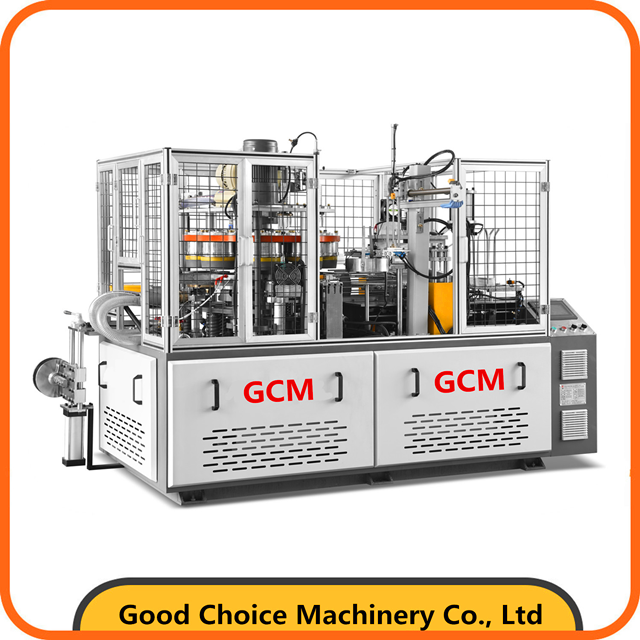
Once fed, the blank wraps securely around a conical metal mold. Its edges overlap and seal together to form the main cup body. The precision of this mold dictates the final structural integrity. Consistency in the sealing mechanism ensures high leak resistance.
Buyer Evaluation Point: Verify the material composition of the forming molds. High-grade steel molds resist thermal expansion better than cheaper alternatives. This maintains cup uniformity during long production runs.
Simultaneously, a continuous roll of bottom paper feeds into the lower section of the system. The machine punches this paper into perfectly sized discs. It then inserts these discs directly into the base of the formed cup wall. Synchronization between the wall forming and bottom insertion defines the machine's true engineering quality.
The bottom edge of the cup wall undergoes localized heating. Mechanical arms fold this heated edge inward over the bottom disc. Next, a knurling mechanism physically presses the folded edge and bottom disc together. This action creates a durable, watertight seal. Knurling requires immense pressure and exact alignment.
The top edge requires lubrication before forming. The system often applies food-grade silicone oil here. Curling dies then roll the lubricated edge outward. This step forms a rigid, comfortable drinking rim. Without proper lubrication, the paper tears during the curling process.
Finished cups eject via pneumatic blowing into a collection tube. Modern systems integrate automatic counting and stacking features. This reduces manual labor and speeds up downstream packaging. Advanced pneumatic systems also filter out rejected cups automatically.
Choosing the correct sealing technology dictates what type of cups you can manufacture. You cannot simply swap materials without considering the underlying bonding mechanics.
Thermal systems use direct heat to melt the polyethylene (PE) coating. This melted plastic bonds the paper layers together. It remains the best fit for standard single-PE coated cups, commonly used for hot beverages.
However, thermal heating has severe limitations. You cannot effectively seal double-PE or eco-friendly PLA coatings here. Applying direct heat to these materials causes scorching. Scorched coatings ruin the cup's structural integrity and release unpleasant odors.
Ultrasonic systems generate high-frequency vibrations. These vibrations create localized friction, melting the coating instantly. They achieve this without external heating elements. This method is the best fit for cold drink cups featuring double-PE coatings. It also works perfectly for sustainable or biodegradable materials like PLA.
Ultrasonic technology carries a higher upfront cost. Yet, it remains necessary for future-proofing your production line against evolving environmental packaging compliance. Brands demand sustainable options, making ultrasonic capability highly valuable.
Feature | Thermal Sealing | Ultrasonic Sealing |
|---|---|---|
Mechanism | Direct contact heating elements | High-frequency friction vibrations |
Best For | Single-PE coated paper (hot cups) | Double-PE and PLA (cold/eco cups) |
Material Risk | Scorches double-PE and PLA | Safe for all coating types |
Initial Investment | Lower | Higher |
Manufacturers often highlight impressive specifications on brochures. However, real-world profitability depends on operational sustainability, not isolated peak metrics.
Always distinguish between a manufacturer's maximum rated speed and actual daily capacity. A machine might list 120 cups per minute (CPM). However, its safe, sustainable operational speed might sit closer to 90-100 CPM. Running at sustainable speeds prevents premature mechanical wear. Pushing equipment to its absolute peak limits daily guarantees frequent breakdowns and shortened lifespans.
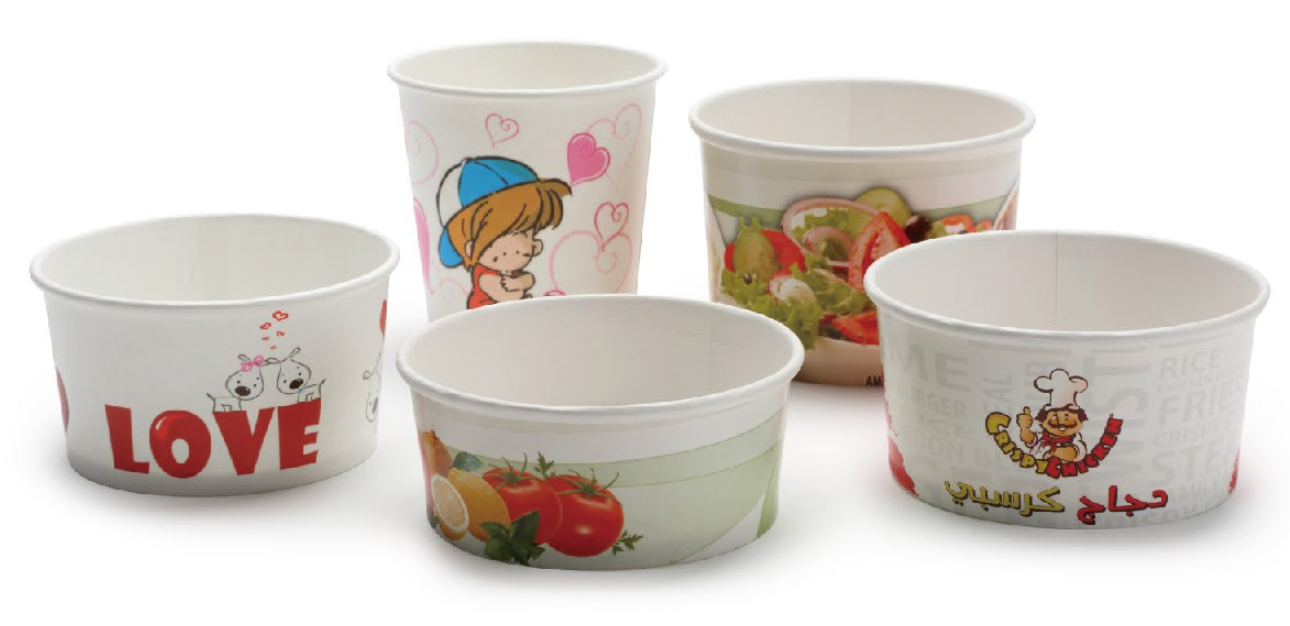
Understand how your equipment handles routine errors. Top-tier machines utilize PLC (Programmable Logic Controller) systems. These PLCs link directly to optical sensors positioned at every critical station. They automatically detect and eject defective cups without stopping the entire production line. This continuous quality control prevents a single misfeed from ruining a massive batch of cups.
Assess the downtime required to switch cup sizes. Moving from an 8oz format to a 12oz format takes significant time. Complex configurations might require four to eight hours of downtime. You often need specialized technicians for these intricate mold replacements. Frequent size changes severely impact your daily yield.
Best Practice: Dedicate specific machines to high-volume sizes to avoid changeover downtime entirely.
Common Mistake: Assuming operators can perform rapid mold changes without extensive mechanical training.
The external appearance of machinery rarely tells the whole story. You must look inside the chassis to evaluate long-term viability.
Evaluate whether the paper cup machine utilizes traditional open-cam systems or newer designs. Older open-cam designs remain prone to dust accumulation. Paper dust mixes with oil, creating a grinding paste that destroys gears. Enclosed longitudinal gear drive systems offer superior synchronization. They protect internal components from dust, providing a significantly longer overall lifespan.
You must mandate automatic oil lubrication systems for high-speed models. Manual lubrication points increase operator error risks. Missed lubrication leads directly to unexpected downtime and catastrophic part failure. Automatic systems circulate filtered oil continuously, keeping gears cool and reducing friction wear.
Heavier, solid steel frames drastically reduce operational vibration. High vibration at high speeds leads to micro-misalignments across the forming stations. These tiny misalignments directly increase your cup leakage rate. A machine weighing 2,500 kg will generally outperform a lighter 1,500 kg model in stability and defect reduction.
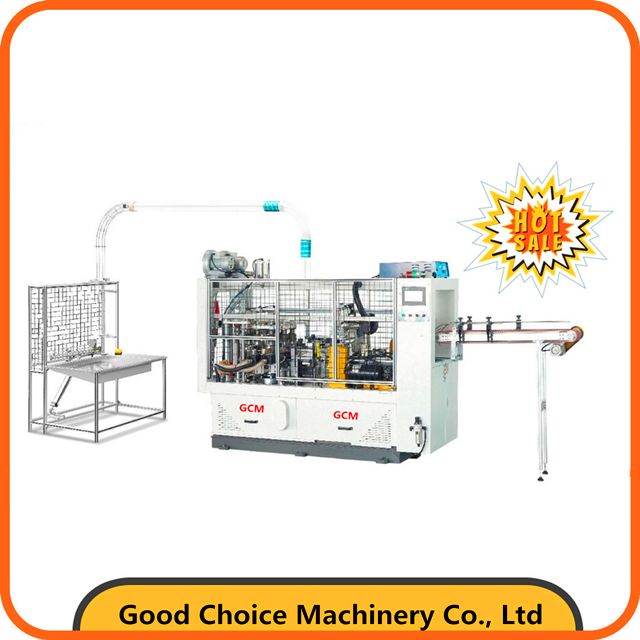
Even the most advanced equipment fails if placed in an inadequate facility. Proper preparation eliminates the most common adoption risks.
Your facility needs stable three-phase industrial power. Voltage fluctuations disrupt the PLC timing circuits, causing immediate defects. Properly calibrated air compressors are also non-negotiable. You need consistent air pressure for pneumatic ejection and sensor clearing tasks. Moisture in your air lines will damage pneumatic valves quickly. Install high-quality air dryers before connecting the machine.
Machine performance relies heavily on raw material quality. Poorly die-cut blanks will cause severe jams in the feeding station. Incorrect paper weight (GSM) or uneven PE coating guarantees production failures. Even a premium paper cup machine cannot fix bad paper. Establish strict quality control agreements with your paper suppliers before starting production.
High-speed automation requires skilled operators. Your team must understand basic PLC troubleshooting. They also need to manage minor mechanical timing adjustments. Comprehensive training remains a critical factor for daily operational success. Do not assume general warehouse staff can operate these systems without formal mechanical instruction. Proper maintenance training drastically extends equipment life.
A precise sequence of feeding, sealing, and knurling defines modern cup production. However, internal transmission stability and defect management truly measure equipment value. Do not let peak speed metrics distract you from evaluating core mechanical architecture.
For businesses looking to transition smoothly with top-tier equipment and expert technical guidance, GOOD CHOICE offers industry-leading forming machinery and comprehensive factory solutions designed to maximize your production efficiency. Partnering with a reliable manufacturing expert ensures you get the robust hardware and automation support needed to thrive in this competitive industry.
Take these actionable next steps when evaluating options:
Request continuous-run demonstration videos from suppliers to verify sustainable speeds.
Clarify the exact sealing technology required for your target paper stock.
Audit the machine's sensor capabilities to ensure it includes automated defect rejection.
Verify the lubrication architecture and demand enclosed gear systems to ensure long-term reliability.
A: Depending on the machine's design and operator experience, a full mold changeover typically takes between 4 to 8 hours. This extensive process includes replacing the bottom punch, adjusting the wall mold, and realigning the curling dies.
A: Only if it is equipped with an ultrasonic sealing system. Standard thermal machines rely on direct heat, which will burn double-PE paper and cause severe structural failures.
A: Leaks usually stem from three variables: uneven heating or poor ultrasonic calibration, worn knurling tools at the cup base, or highly inconsistent PE coating on the raw paper supply.
A: Daily tasks include cleaning paper dust and verifying sensor alignment. Weekly tasks involve checking oil levels in automated systems and rigorously inspecting the wear on curling and knurling dies.