close
Choose Your Site
Global
Social Media
Views: 0 Author: Site Editor Publish Time: 2026-08-19 Origin: Site


Have you ever wondered how paper boxes are made? These simple containers protect millions of products daily. Paper boxes play a vital role in packaging and shipping worldwide. In this post, you’ll learn about the materials, design, cutting, printing, folding, and equipment used in paper box production. We’ll also explore how sustainability shapes this industry.
Table of Contents

Paper boxes come from various paper types and cardboard, each serving a unique purpose. Common materials include:
Corrugated cardboard: Known for strength and cushioning. Ideal for shipping boxes.
Folding carton board: Lightweight and smooth. Used for retail packaging.
Kraft paper: Durable and natural brown appearance. Popular for eco-friendly packaging.
Solid bleached sulfate (SBS): White and glossy. Perfect for premium boxes.
Choosing the right material depends on box use, weight requirements, and desired appearance.
Paper box production often balances recycled and virgin fibers:
Virgin materials come directly from wood pulp. They offer higher strength and better print quality.
Recycled materials use post-consumer or post-industrial paper waste. They reduce environmental impact and cost but may have lower durability.
Many manufacturers blend recycled and virgin fibers to optimize strength, cost, and sustainability.
To improve paper boxes, coatings and finishes are applied:
Varnishes add shine and protect from moisture.
Laminates (matte or glossy) enhance durability and feel.
UV coatings provide strong surface protection and vibrant colors.
Wax coatings improve water resistance for food packaging.
These treatments extend box life and boost shelf appeal. Selecting coatings depends on product needs and budget.
Tip: For packaging that requires both durability and eco-friendliness, consider blending recycled fibers with kraft paper and applying a matte laminate finish for a natural look and strong protection.

Paper box design starts by understanding the product's needs. Different goods require different box styles. For example:
Food packaging needs secure seals and often moisture barriers.
Electronics require sturdy boxes with cushioning spaces.
Retail products benefit from eye-catching shapes and graphics.
Customization also covers size, shape, and opening style. Designers consider how the box will be used, stored, and displayed. This ensures the box protects the product and attracts buyers.
Computer-Aided Design (CAD) software plays a crucial role in paper box planning. It helps create precise templates and 3D models. CAD allows designers to:
Experiment with different box shapes and sizes.
Simulate folding and assembly.
Check structural integrity before production.
Optimize material use to reduce waste.
Using CAD speeds up the design process and reduces errors. It also makes it easier to share designs with clients or manufacturers for approval.
A paper box must be strong enough to protect its contents during shipping and handling. Structural integrity depends on the material thickness, folds, and glue points. Designers test boxes for:
Weight capacity
Resistance to crushing
Ease of opening and closing
At the same time, aesthetics matter for brand image and sales. Colors, fonts, and finishes create a visual appeal. The design should balance form and function to meet customer expectations.
Tip: Use CAD software early in the design phase to test structural strength and visual appeal, saving time and reducing costly errors during production.
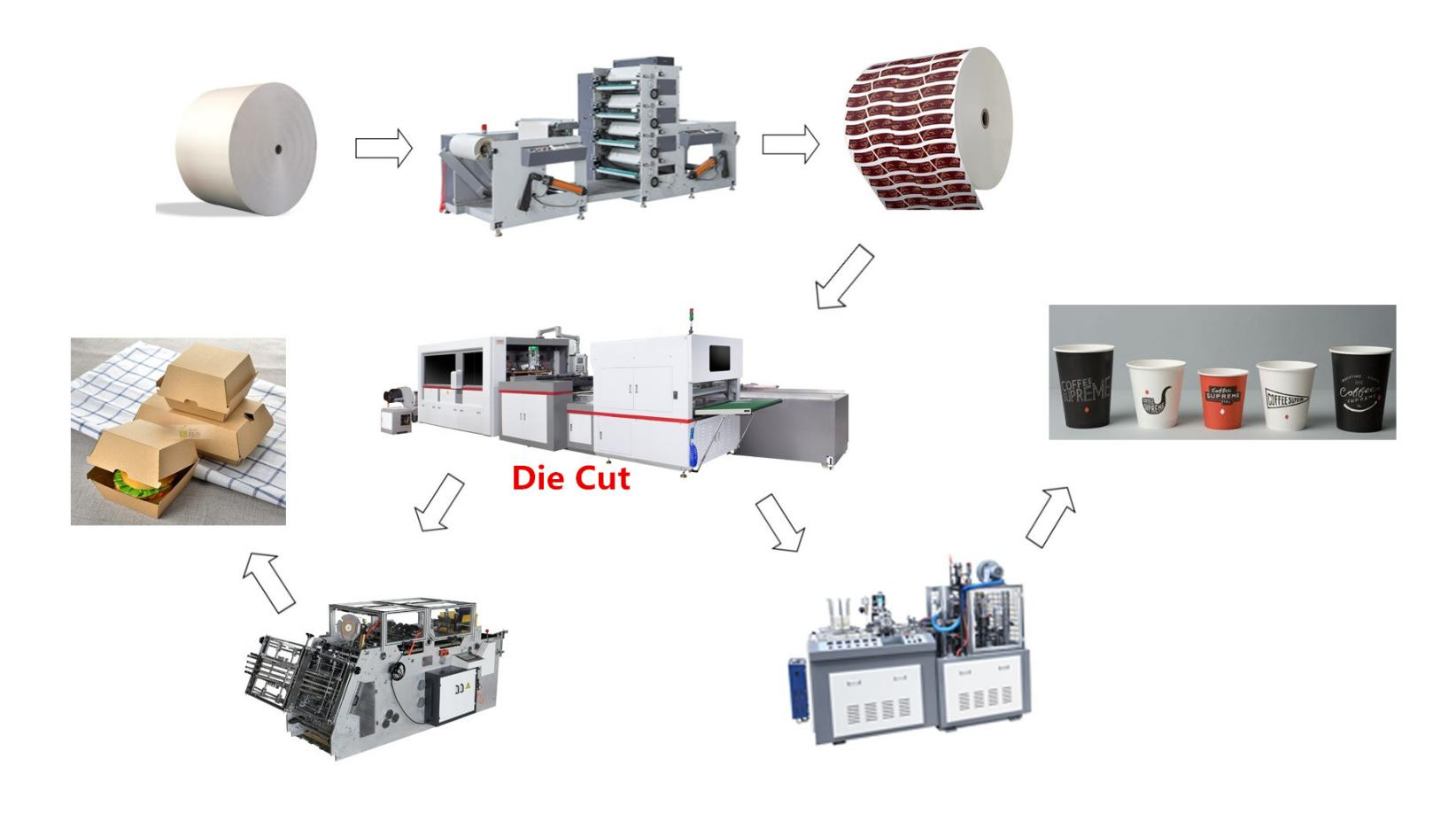
Die cutting forms the paper box’s shape by cutting through paper or cardboard sheets. It uses a steel die, a sharp blade shaped like the box pattern. The die presses down on the material, slicing out the flat box pieces. This method works well for complex shapes and high-volume runs.
Common die cutting types include:
Flatbed die cutting: Uses a flat surface to press the die into the material. Ideal for thick cardboard and detailed cuts.
Rotary die cutting: Employs a rotating cylinder with the die attached. It’s faster, suited for continuous sheet or roll feeding.
Laser die cutting: Uses a laser beam to cut precise shapes. Great for prototypes or small batches needing fine detail.
Die cutting ensures consistent shapes and clean edges, essential for proper folding and assembly.
After cutting, paper boxes need creases to fold neatly. Creasing creates a slight indentation without cutting through the material. It prevents cracking or breaking when folded.
Common creasing methods:
Blade creasing: Uses a sharp blade to score the fold line. Suitable for thin materials.
Rule creasing: Employs a blunt metal rule pressed into the sheet. Better for thicker cardboard.
Embossed creasing: Combines creasing with embossing to add texture along fold lines.
Folding usually follows creasing. It can be manual or automated. Proper creasing and folding keep the box’s shape sharp and durable.
Modern paper box production relies on specialized machinery for accuracy and speed:
Die cutting machines: Flatbed or rotary presses that handle cutting and creasing in one pass.
Creasing machines: Standalone units focused on scoring fold lines on sheets.
Combination machines: Integrate cutting, creasing, and sometimes folding for streamlined production.
Laser cutters: For detailed, small-run jobs requiring precision.
These machines use adjustable settings to accommodate different materials and box sizes. High precision reduces material waste and ensures quality.
Tip: Use rotary die cutting combined with rule creasing for fast, precise production of thick cardboard boxes, reducing waste and improving fold quality.
Printing transforms plain paper boxes into attractive packaging that tells a brand’s story. The three main printing methods used in paper box production are offset, flexographic (flexo), and digital printing.
Offset printing: This traditional method uses metal plates to transfer ink onto paper. It offers high-quality images and sharp details. Offset is great for large runs because it becomes cost-effective as volume increases.
Flexo printing: Flexo uses flexible rubber plates and fast-drying inks. It works well on various materials, including corrugated cardboard. This method suits medium to large runs and allows quick color changes.
Digital printing: Digital printing applies ink directly from a digital file. It’s perfect for short runs, prototypes, or customized boxes. It offers fast turnaround and easy personalization but can be more expensive per unit at large volumes.
Each method balances cost, quality, and speed differently. Choosing depends on order size, design complexity, and material type.
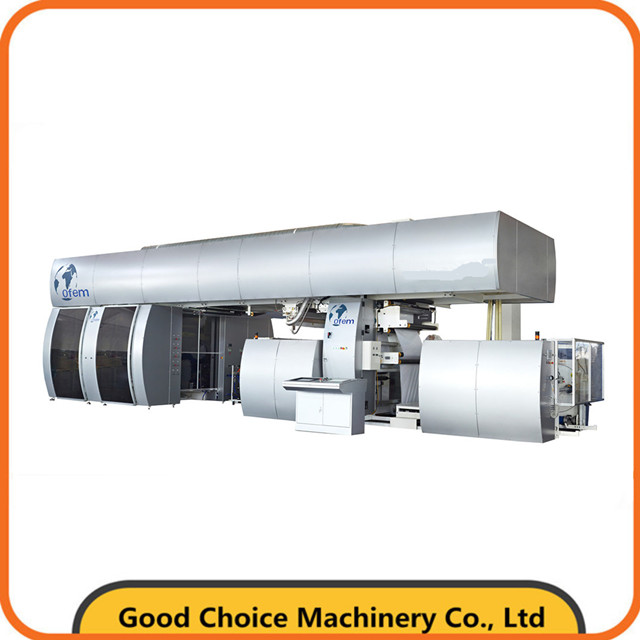
Branding is essential in paper box design. Logos, product information, and graphics help communicate the brand message and attract customers. Printing integrates these elements directly onto the box surface.
Designers use color matching tools to ensure brand colors appear consistent. Text placement considers readability and legal requirements like ingredient lists or barcodes.
Graphics may include:
Product photos
Patterns or textures
Promotional messages
Clear, vibrant printing boosts shelf appeal and customer trust.
To make paper boxes stand out, special finishing techniques add texture, shine, and protection.
Embossing: Raises parts of the paper surface to create a 3D effect. It highlights logos or decorative patterns, adding tactile appeal.
Foil stamping: Applies metallic or colored foil onto the box using heat and pressure. It gives a luxurious look, often used for premium products.
Laminating: Adds a thin plastic film over printed surfaces. Laminates can be matte, glossy, or soft-touch. They protect against moisture, scratches, and fading.
These finishes enhance the box’s durability and visual impact. They also increase production costs, so careful selection is necessary.
Tip: Choose digital printing for small batches or personalized designs, and consider embossing or foil stamping to elevate premium packaging appeal.
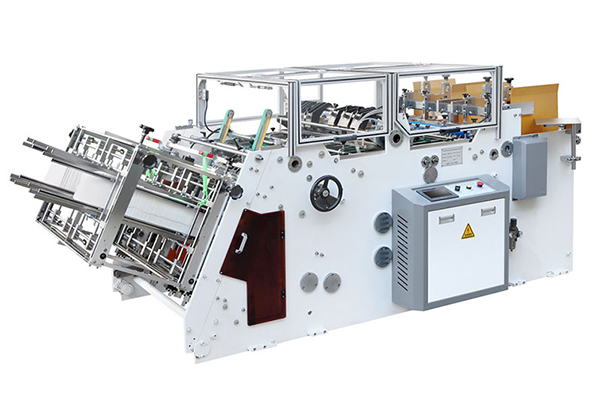
Automated folding machines speed up box assembly by folding paperboard along creased lines quickly and accurately. These machines handle high volumes, reducing manual labor and errors. They use mechanical arms, belts, and guides to fold flaps, tuck edges, and prepare boxes for gluing or final assembly.
Some machines combine folding and gluing in one continuous process. This integration boosts efficiency and consistency. Adjustable settings allow handling different box sizes and styles, from simple tuck-end boxes to complex multi-panel designs.
Choosing the right adhesive is crucial for box strength and durability. Common adhesives include:
Hot melt glue: Fast-setting and strong. Used widely in automated lines.
PVA (polyvinyl acetate) glue: Water-based, flexible, and safe. Good for folding cartons.
Cold glue: Applied at room temperature. Ideal for delicate materials.
Pressure-sensitive adhesive (PSA): Comes as tapes or films. Used for resealable boxes.
Adhesive choice depends on material type, box function, and production speed. Hot melt glue dominates industrial production due to quick bonding and strong hold.
Maintaining quality during folding and gluing ensures boxes meet standards. Common quality checks include:
Visual inspection: Detects misfolds, glue smears, or missing flaps.
Adhesion tests: Verify glue bonds hold under stress.
Dimensional checks: Confirm box size and fold accuracy.
Random sampling: Ensures consistent quality across batches.
Automated sensors and cameras increasingly assist inspection, catching defects early. Proper quality control reduces waste and customer complaints.
Tip: Invest in folding-gluing machines with adjustable settings and integrated quality sensors to boost production speed and maintain consistent box quality.
Paper box production depends on several key machines working together smoothly. The main equipment includes:
Cutters: These machines shape paper or cardboard sheets precisely. Die cutting machines, both flatbed and rotary, are common. They cut and crease materials for easy folding.
Printers: Printing machines apply logos, text, and graphics. Offset printers handle large runs with high quality. Flexo printers work well on corrugated board. Digital printers suit short runs or customized designs.
Gluers: Gluing machines assemble boxes by bonding flaps and edges. Hot melt glue systems dominate due to fast setting and strong hold. Some gluing machines combine folding and gluing steps for efficiency.
Each machine plays a vital role in ensuring boxes are accurate, attractive, and durable. Choosing the right equipment depends on production volume, box complexity, and budget.
Automation has transformed paper box manufacturing. Automated systems speed up production, reduce labor costs, and improve consistency. Examples include:
Integrated cutting and creasing machines: Perform multiple steps in one pass.
Robotic arms and conveyors: Move materials between processes seamlessly.
Automated folding-gluing lines: Fold and glue boxes continuously with minimal human input.
Quality control sensors: Detect defects during assembly and printing.
Automation helps manufacturers meet tight deadlines and large orders. It also reduces errors and waste, boosting profitability.
Keeping equipment in good shape is crucial. Regular maintenance prevents breakdowns and extends machine life. Key practices include:
Routine cleaning of blades, rollers, and print heads.
Lubricating moving parts to avoid wear.
Checking calibration for cutting and printing accuracy.
Replacing worn or damaged components promptly.
Safety is equally important. Machines have sharp blades, hot glue applicators, and moving parts. Operators need training and protective gear. Emergency stops and safety guards must be in place. Proper safety protocols reduce accidents and downtime.
Tip: Schedule regular preventive maintenance and train staff on machine safety to ensure smooth, safe paper box production and minimize costly interruptions.
Sustainability is a growing priority in paper box manufacturing. Many producers now use eco-friendly materials like recycled paper and biodegradable fibers. These reduce waste and lower environmental impact. For example, recycled cardboard saves trees and cuts energy use during production.
Manufacturers also adopt greener processes, such as water-based adhesives and soy-based inks. These alternatives emit fewer harmful chemicals compared to traditional options. Some factories use renewable energy sources like solar or wind power to run machinery, further reducing their carbon footprint.
Additionally, optimizing material use helps minimize waste. Techniques like precise die cutting and CAD design reduce scrap paper. Some companies even recycle leftover materials back into production.
Innovation drives efficiency and sustainability in paper box making. New machines offer faster speeds and better precision, reducing errors and material waste. For example, automated cutting and folding systems streamline workflows and lower labor costs.
Digital printing technology allows short runs and customization without large setup waste. This means less overproduction and fewer discarded boxes. Laser cutting machines provide high accuracy for prototypes, lowering trial runs and saving resources.
Smart sensors and AI-powered quality control detect defects early, avoiding costly rework. These tools also monitor energy use and machine health, enabling predictive maintenance that prevents downtime.
Emerging technologies like 3D printing and biodegradable coatings are also being explored to enhance packaging performance and sustainability.
The demand for biodegradable and recyclable paper boxes is rising rapidly. Consumers and brands seek packaging that decomposes naturally or can be recycled easily after use.
Biodegradable paper boxes often use natural fibers and water-based coatings that break down in composting environments. This reduces landfill waste and pollution. Some manufacturers create boxes using agricultural byproducts like wheat straw or sugarcane bagasse, which are renewable and compostable.
Recyclability is another key trend. Designing boxes for easy separation of materials, like avoiding plastic windows or mixed coatings, improves recycling rates. Labels and adhesives are also being developed to not interfere with recycling processes.
Brands highlight these eco-features as selling points, appealing to environmentally conscious buyers. Regulations worldwide increasingly encourage or require sustainable packaging, pushing manufacturers to innovate further.
Tip: Choose suppliers offering certified recycled or biodegradable materials and invest in energy-efficient machinery to boost sustainability and meet growing eco-friendly market demands.
Understanding the paper box production process involves key steps like material selection, cutting, printing, folding, and gluing. Essential equipment includes cutters, printers, and gluers, often automated for efficiency. Quality control ensures durable, attractive boxes, while sustainability drives use of recycled materials and eco-friendly methods. Innovations like digital printing and AI improve precision and reduce waste. The future of paper box manufacturing focuses on biodegradable, recyclable packaging. GOOD CHOICE offers high-quality, sustainable paper boxes that combine durability with eco-conscious design, meeting modern market demands.
A: Paper boxes are made from materials like corrugated cardboard, folding carton board, kraft paper, and solid bleached sulfate (SBS), chosen based on strength, appearance, and use.
A: Quality is ensured through precise cutting, creasing, folding, gluing, and automated inspections during production to maintain structural integrity and appearance.
A: Recycled fibers reduce environmental impact and cost, though they may offer slightly less durability compared to virgin materials.
A: Key equipment includes die cutting machines, printers (offset, flexo, digital), and gluing machines, often integrated with automation for speed and consistency.
A: Coatings like varnishes, laminates, and UV protect paper boxes from moisture and wear while enhancing visual appeal and durability.