close
Choose Your Site
Global
Social Media
Views: 0 Author: Site Editor Publish Time: 2026-08-05 Origin: Site


You need exact, smart paper bag machines. They turn long paper rolls into strong bags. These big machines run very fast. They pull, fold, cut, and glue paper. They do this in one line. Plant bosses check these machine setups. They want to boost quality and speed.
Learning these designs helps you pick gear. It fits your work needs. You look at machine parts. These parts depend on bag bottom geometry. They also use material feeding systems. Other factors are automation levels. Main parts match each step. They use servo controls and optical registration sensors. You pick paper weight compatibility. You can change tooling changeover speeds. You check machine output rates. This gets the most from your money.
Table of Contents
Pick paper bag machines carefully.
Base choices on bag shapes.
Check paper feed types.
Look at automation levels.
This helps reach speed goals.
Square bottom machines make strong bags.
These bags can stand up easily.
V-bottom units make lightweight bags.
They run at much higher speeds.
Inline flexo printing simplifies big steps.
Handle forming attachments help a lot.
They simplify production steps fast.
They lower material handling costs greatly.
Smart PLC controllers work very well.
Optical sensors help adjust paper position.
This happens automatically every time.
They guarantee very precise cutting.
This ensures high product quality.
Fully automatic lines cut labor costs.
They reduce long-term material waste.
Yet, they need higher initial investments.
Equipment costs can be quite high.
Calculate your return on investment.
Compare initial machine costs carefully.
Check monthly labor savings too.
Look at increased sales yields next.
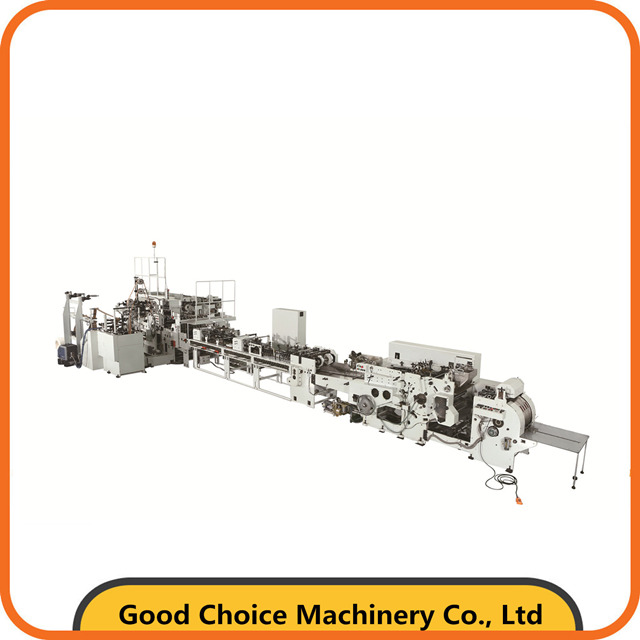
You can group factory packing machines in different ways. Look at their frame designs. Check their material feeding methods. Observe their control systems. Plant engineers study major technical details. They want to pick good gear. Machine designs depend on three main things. Control setups matter a lot. Material types are key. Base shapes play a big role. Regular lines make 50 to 200 bags each minute. Custom fast machines work much faster. Pick your best machine setup carefully. Think about your target bag shapes. Set your output goals. Measure your factory room space.

Square bottom units make flat box bases. These bases help bags stand up straight. Use them for store sacks. They make grocery bags. They work for heavy food sacks. Internal gears use complex drums and clamps. First, the unit opens paper tubes. Next, the drum shapes flat bottoms. It puts glue on them. It seals the bottom flaps tightly. Square bottom designs make stronger bags. They can hold heavier items. Complex folding parts drop overall machine speeds. Standard square bottom models make 80 to 250 bags each minute.
V-bottom models make sharp envelope bottoms. These bases hold light goods. Use these units for bakery items. They make French fry pouches. They work for pharmacy bags. The machine uses a simple system. A folding plate works with a spinning blade. They pinch, cut, and fold fast. This swift move cuts complex mechanical clamps. As a result, V-bottom equipment runs very fast. You get high speeds. Make 400 to 700 bags per minute with this machine setup.
Design Parameter | Square Bottom Machinery | V-Bottom (Sharp Bottom) Machinery |
|---|---|---|
Structural Base | Flat rectangular block base | Sharp V-shaped pinch base |
Mechanical Mechanism | Drum and clamp folding system | Rotary knife and folding plate |
Production Speed | 80 to 250 bags per minute | 400 to 700 bags per minute |
Load Capacity | High structural strength for heavy goods | Low to moderate strength for light items |
These units process custom packaging shapes. Envelope bottom setups make flat mailers. They build gift bags. Hexagonal designs add strength to thick bags. These unique units use custom plates. They use glue spray nozzles. Adjust the folding fingers. This creates sharp corners on bag bases. Production speeds average 100 to 180 items each minute. Tricky folds need exact gear timing.
Roll-fed setups pull paper directly from giant paper rolls. An air shaft holds the roll tight. Motor drives pull the paper sheet. Pick roll-fed machinery for huge, long jobs. This feeding system fits common paper weights. Use paper from 40 to 150 grams per square meter (GSM). Roll-fed systems run without stopping. They do not pause for paper sheet swaps. You boost plant speed. You lower wasted paper scrap.
Sheet-fed setups process pre-cut paper sheets. They do not use continuous rolls. Automated vacuum arms lift single sheets. They feed sheets into the main line. Choose sheet-fed setups for thick paper stock. Use it above 150 GSM. Heavy gift bags need sheet feeding. Fancy retail pouches need it too. Laminated sacks use this method. This path offers high flexibility. It helps short custom jobs. Operational speed drops below continuous roll setups.
Modern paper bag machines use different control setups. Match your automation level to your budget. Think about your available labor force.
Technical Feature | Fully Automatic Models | Semi-Automatic Models |
|---|---|---|
Operational Automation | High-speed performance with minimal human intervention | Requires direct manual labor during processing |
Production Throughput | Large volume yield suitable for high-capacity manufacturing | Lower volume yield tailored for smaller-scale operations |
Skill Requirements | Low operator expertise needed due to automated controls | Demands skilled manual operators |
Product Flexibility | Supports a wide array of bag dimensions and configurations | Limited to basic, specific bag structures |
Fully automatic systems combine many tasks. They unwind paper webs. They build paper tubes. They cut sheets. They glue bottoms. They stack finished bags on one line. Central programmable logic controllers (PLC) run every action. Optical sensors read tracking marks. Servo motors set cut spots quickly. You need very little human labor. The machine adjusts paper pull alone. It fixes paper alignment by itself. Workers track jobs on touchscreens. These systems suit large industrial plants best.
Semi-automatic setups split tasks into separate steps. One part shapes paper tubes. A separate machine folds the bottoms. It glues them shut. Workers move loose tubes by hand. They walk between work stations. Select semi-automatic gear for small plants. Pick it for low production runs. These units cut initial machinery costs. Overall labor costs go up. Workers handle products directly during production steps.
Manual auxiliary machines do lone extra steps. Use these small units to add handles. They punch clean eyelets. They fix strong support strips. Workers place paper bags into holders by hand. They press a foot switch. They can use an air press. These tools lack fast speeds. They give cheap help to small shops. They make custom fancy bags.
New paper bag setups combine key bag steps into single lines. Extra tool parts prepare plain paper, print art, make handles, and cut clear windows. They do this before bottom gluing starts. Adding inline tool attachments stops extra work steps. You lower material move costs, save factory space, and speed up work.
Inline flexo printer parts print graphics directly on moving paper rolls. These printer units sit between paper rolls and tube formers. Flexo systems use bendy image plates on turning metal drums. Smooth ceramic rollers roll water inks onto these plates. You can run two, four, or six colors for your bag jobs.
Printing during bag making stops extra paper roll rewinding steps. Firm press drums push moving paper tight against image drums. Light sensors track paper lines to stop printed art shifts. You mix thin inks and set paint rollers to keep colors neat.
Operational Parameter | Flexographic Printing Attachment Specification |
|---|---|
Applicable Ink Types | Water-based flexo inks, quick-drying solvent inks, UV-curable inks |
Anillox Roller Type | Laser-engraved ceramic rollers (200 to 800 lines per inch) |
Registration Accuracy | Precision electronic eye tracking within +/- 0.15 mm |
Web Processing Speed | Synchronized with main line speeds (up to 300 meters per minute) |
You can use flexo units as plain color spots or full art stations. Fast wash tools clean ink pans quickly for new jobs. Warm dry hoods blow hot air or light rays to dry wet ink fast. Dry paper stops ink smears when paper hits tube tools.
Handle maker units build and stick handles right on moving paper rolls. Modern stores want strong handles on retail sacks and food bags. You can pick built-in units for twisted rope or flat paper handles. Handle tools run right beside main paper rolls.
Flat handle units take paper strips, fold edges, and shape flat loops. Rope handle tools pull string, cut cord, and glue ends on paper patches.
[Raw Handle Paper Strip] ---> [Creasing & Folding] ---> [Glue Spray Application]
                                                               |
[Paper Cord Spool]      ---> [Cutting & Placement] ------------+---> [Press Rollers to Web]
The handle tool does set steps to glue carry loops tight:
Feed thin paper strips from extra rolls into the tool.
Spray fast hot glue on patch spots with small nozzles.
Bend rope or paper strips into U-shapes with metal fingers.
Press shaped handle loops on paper backs with air rollers.
Move paper through hot plates to set hot glue fast.
Servo drives move handle tools. Servos match handle spots to bag sizes on main screens. You shift handle spots on screens without stopping machines. Fast glue tools place hot dots neatly. Strong glue helps handles hold heavy store items.
Window patch units cut holes in paper and glue clear film over them. Window bags show off fresh bread, sweet treats, and coffee beans. Built-in window tools sit right after printer units.
First, a turning cut drum punches shapes in paper rolls. Air vacuums pull paper cutouts into trash bins. Next, a glue wheel puts thin glue around cut hole edges.
At the same time, an extra shaft feeds thin clear plastic rolls. You can run OPP, eco PLA, or clear tree film for green bags. Turning motor knives chop clear film into short window patches.
Air drums place cut film on glued paper holes accurately. Heavy rollers push film edges tight for neat seals. Two light sensors check window cut spots continuously. Sensors tell motors to shift film if stretched paper moves out of line. Fast window tools stay aligned while running quickly.

Smart paper bag machines use tight mechanical parts. Each part does a job along the line. Know these parts to keep quality high.
Start work at the unwinding station. This area holds heavy paper rolls tightly. It pulls paper smoothly without stopping.
Steel shafts slide inside paper roll cores. Air expands rubber keys to grip tight. Power arms lift big rolls up easily. You save setup time and avoid injury.
Paper webs need even pull during fast runs. Brakes put smooth drag on paper shafts. You set tension on the main screen. Floating dancer arms move to stop paper snaps.
Paper rolls can slide sideways over time. Fast sensors check paper edges constantly. Sensors spot tiny edge shifts right away. Motors push paper stands to fix lines.
The paper web enters the tube section next. This area folds paper and seals side seams.
Curved metal plates fold paper edges inward. These templates shape paper into long tubes. You shift former plates to set bag widths. Good plate setups stop paper tearing cleanly.
Strong paper tubes need good seam seals. Liquid cold glue seals normal paper edges. Fast hot glue works on coated paper. Warm nozzles apply thin glue at high speeds.
Adjustable wheels press paper edges together tight. Rollers squeeze glue seams to dry fast. Creasing wheels mark deep side fold lines. Steel guide bars hold shapes for neat cuts.
The cutting area cuts long paper tubes apart. This part matches line speeds to stop jams.
Fast lines need continuous cutting tools. Spinning knives punch fine lines across paper. Fast rollers pull and snap paper tubes cleanly. You get high speeds without paper stops.
Servo cutters slice fast paper with high accuracy. Strong motor drives cut thick rolls smoothly. Computerized systems reduce cutting errors on long runs. You control cut lengths on screen tools.
Automated Backgauge Drive: Smart computers tell servo motors where to cut.
Advanced Servo Control System: Precision drives hold tight cutting tolerances for clean edges.
Dynamic Speed Matching: Blade speeds shift instantly to match paper feed speeds.
The machine cuts tubes. It sends them to the bottom area. This part makes bases or sharp seals. Fast gears shape the tubes. They turn paper pipes into real bags.
Big drums process cut paper tubes. Turning suction drums grab each tube edge. They use smart air suction. Metal fingers fold open the paper end.
Air cups hold the lower tube panel.
Steel fingers lift the top panel up.
Plates press inner folds flat. They form diamond corners.
Air blasts hold inner folds open easily.
This step opens flat paper tubes wide. It builds square-bottom bag bases.
Glue systems apply tight patterns to bottoms. Smart pumps replace manual trays. Air pumps push glue through cold nozzles. They also use hot hoses. Line sensors check speed constantly. The system fixes glue flow with adhesive volume = line speed x nozzle opening duration.
Clean glue lines daily. Check nozzles to stop clogs and bad seams.
Good heat keeps seals strong. Cold glue seals basic paper well. Hot glue seals laminated bags fast. Quick valves turn spray heads on fast. This stops messy glue buildup.
Folding parts close bottom flaps tight. Turning arms fold top and bottom flaps. Metal belts push flaps on fresh glue.
Front plates fold front flaps back 180 degrees.
Rear fingers pull back flaps forward 180 degrees.
Rollers squeeze flaps flat to press glue deep.
This job seals bag bases tight. Sealed bottoms hold heavy loads safely.
Modern machines use a smart PLC controller. The PLC runs every motor, sensor, valve, and cutter.
Workers control lines using HMI touchscreens. You store many bag size plans inside memory.
HMI Control Function | Operational Parameter | System Adjustment Range |
|---|---|---|
Bag Length Setup | Servo Motor Indexing | 100 mm to 900 mm |
Line Speed Control | Main Drive Frequency | 20 to 600 bags per minute |
Registration Offset | Optical Eye Delay | +/- 5.0 mm fine tuning |
Glue Spray Timing | Solenoid Valve Delay | 0.1 millisecond precision |
Pick a new screen plan. Motor parts move right away. The setup stops hard manual hand-crank work. Workers check speed, air pressure, and alarms on one screen.
Printed rolls need exact print and cut alignment. Optical sensors read printed marks on fast paper. Light sensors shine quick beams on paper.
Sensors spot color changes as mark lines pass. They send fast signals to the PLC. The PLC checks mark spots against motor data. If paper moves, servo motors adjust speed.
position error = mark arrival time - encoder target timing
The servo drive shifts feed rollers fast. This smart tool keeps cut accuracy very high.
The machine moves finished bags to collection tables. This final part counts, presses, and stacks bags.
Fresh bag bottoms need pressure to set well. Long press belts run slow to help glue. Delivery wheels drop bags in smooth streams.
Heavy upper belts press down on bags. This pressure pushes air out of fresh glue. The long ride lets glue dry fully.
Automatic bag counters help final pack jobs. Light sensors count each bag in stackers.
Light sensors read passing bag edges.
Counters hit set targets like 50 bags.
Air fingers push target bags sideways.
Belts move fast to make batch room.
Workers grab neat bundles from the table. They pack boxes fast without hand counts. This tool speeds up factory shipments.
Turning paper rolls into bags needs a set order. You must match each step to keep quality high. This action cuts paper waste.
Start by putting a heavy paper roll on the unwinder. Lift arms raise the roll core. Air shafts lock the paper tight in place. Drive rollers pull the paper sheet forward. Brakes and dancer arms hold steady paper pull. This smooth pull stops paper tears or sags at high speeds.
Unwind paper rolls using auto controls. This stops paper tears or wrinkles.
Line up paper paths using light sensors. They spot side shifts and fix lines.
Pass tight paper through frame guide parts. This step makes precise lines before next tasks.
Smart sensors track paper edges during unwinding. If paper shifts away, motors push the frame back fast. You fix bad edge lines early. This keeps your line free of jams.
The tight paper moves into the printing area next. Flexo units put fast-drying ink on the paper. Smooth ceramic rollers feed ink to rubber plates. This step prints clear logos and labels on paper. Hot air hoods dry printed art fast. Quick drying stops ink smears on metal guides.
For window bags, run paper to the window unit. A turning cutter punches shapes in the moving paper. Air tubes pull cut paper waste into trash bins. A small tool sprays glue on window edges. Motor rollers press clear film over paper cut holes.
The flat paper turns into a long tube next. Adjusting wheels mark deep fold lines on moving paper. These marks set exact side gussets. Next, former plates fold paper edges inward. They overlap the outer edges along the middle line.
Cold wheels or hot spray nozzles apply glue along seams. They do this before outer edges overlap fully. Steel side guides press overlapping seams together tightly. This forms a strong seal down the paper tube. You adjust plates easily without stopping line work.
markdown
Next, continuous paper tubes go to the high-speed cutting mechanism. Servo motors drive sharp knives to cut the long tube into single bags. The main PLC tracks optical registration sensors using cut length = target length + sensor offset correction.
You change cut spots on the screen easily. The optical registration sensor scans marks on the paper fast. It sends quick signals to the servo drive. This gives accurate cuts even at top speeds. Clean cuts stop rough paper edges. This creates neat top openings on all bags.
Fast mechanical fingers grab tubes after cutting. This step turns open tubes into strong bags through five simple moves:
Tube Opening: Vacuum suction cups pull open the tube end.
Diamond Folding: Moving arms fold the end into a diamond base.
Flap Tucking: Guides fold inner side flaps to build the base.
Adhesive Application: Extrusion nozzles spray glue lines on bottom flaps.
Pressing and Securing: Heavy rollers press flaps to seal the bottom.
Smart glue pumps match glue flow with line speeds. They spray exact glue lines on every surface. Clean glue lines stop messy leaks inside bags. This builds a strong base for heavy goods.
Glued bags move to the final line next. Top and bottom belts catch each bag. They flatten bottom seals and push out air. Long belts move bags through warm zones. This lets glue dry fast.
Light sensors count every finished bag that passes. The controller tracks batch counts for your box goals. An air pusher nudges set bags sideways. This marks clear stack sets for workers. Workers grab neat bundles fast for easy boxing.

Paper bag tools make custom sacks for global shops. You can change attachments and paper thickness easily. Shift folding parts to craft special bag styles.
Food lines need clean, oil-safe paper setups. Smart units process food paper at top speeds.
V-bottom models build sharp bags for warm bread. You feed thin oil-safe paper into line. Smooth sheets stop butter and oil leaks fast. Turning blades slice thin paper without tears.
Window units make clear bakery bags from rolls. The tool cuts neat holes in paper. It glues clear film over open spots. You show fresh food through clear windows easily.
Square bottom units build wide, free-standing sacks. You use tough kraft paper for high strength.
Bag Type | Ideal Machine Type | Standard Paper Weight | Key Feature |
|---|---|---|---|
Bread Bag | V-Bottom / Sharp Base | 30 to 50 GSM | Grease resistance |
Bakery Pouch | V-Bottom with Window Unit | 40 to 60 GSM | Clear product visibility |
Grocery Bag | Square Bottom | 60 to 100 GSM | Self-standing flat base |
Stores need strong, pretty bags for goods. Built-in handle tools make comfortable carry sacks.
Roll-fed square bottom tools make store bags. Handle parts twist paper cord into strong ropes. Glue patches lock rope ends inside bag tops. Customers carry heavy books using tough handles.
Flat handle units bend paper into loops. Fast tools glue flat loops inside rims. Food shops use these flat bags a lot. Wide bases keep food boxes level on trips.
Sheet-fed units build fancy bags using thick paper. An inline tool cuts oval hand holes. The unit glues card strips inside rims. You get sleek sacks for high-end clothes.
Factories use thick sacks for bulk goods. Heavy tools build strong guards against moisture.
Big machinery feeds four paper rolls together. You layer strong paper with plastic film. The tool offsets seams to spread weight evenly. Multi-ply walls stop water damage to cement.
Heavy bottomers turn thick tubes into sealed sacks. The tool seals ends, leaving one hole. An inner sleeve makes a self-sealing valve. Nozzles fill powder through small holes fast. Inner pressure locks valve flaps tight after filling.
Medical jobs need clean rules. Normal machines cannot do this work. Special machines run inside clean rooms. You build them to stop dirt. They keep air out. They also use high heat. Smart tools use hot bars. They use sound welders. They use clean cutters. These parts make safe bags. Use them for tools, samples, and chemicals.
Tool makers use safe pouches. They keep tools clean. You use clean paper and clear film. The machine aligns both sheets well. It uses smart light sensors. Hot bars heat the edges. This forms easy-peel seals.
Production Line Detail | Medical Pouch Machine Spec |
|---|---|
Heat Control Range | 100°C to 250°C with smart monitors |
Seal Press Force | 0.4 MPa to 0.8 MPa air force |
Paper Type | 60 to 80 GSM medical paper and film |
Check Scanner Accuracy | Camera spots 0.1 mm seal holes |
You check seal heat all the time. The machine throws away bad bags. Clean cutters slice pouches well. They do not leave paper dust. You make safe, clean bags for doctors.
Chemical bags must stay super strong. They must stop all leaks. You use thick paper with plastic. You can use foil too. Special machines fold thick sheets. They do not crack the inner layer. Strong motors pull heavy paper through the machine.
Unwind heavy paper from strong air shafts.
Mark deep lines with hard steel wheels.
Put hot glue or heat on seams.
Fold bottom flaps to seal plastic layers.
Press edges with cold rollers to set fast.
Chemical bags hold bad powders safely. They hold farm food and resin. Smart glue tools place full lines. You stop small pinhole leaks with good heat controls. The strong bottom stops drop breaks. Good setups protect your goods and nature.
Buy new machines carefully. Review factory needs first. Check machine tools well. Match parts to your bags. This step saves money. It stops bad line delays.
Paper weight changes bag strength. Grams per square meter measures weight. Call this GSM. Match machines to paper GSM.
Thin paper uses 30 to 60 GSM. Make bakery bags with it. Medium paper uses 70 to 120 GSM. Store bags need this weight. Heavy bags need 130 to 180 GSM.
Thick paper jams light machines. It burns big motors. Thin paper rips on heavy lines. It ruins art lines. Pick strong rollers for mixed GSM. Add smart air tensioners too.
Output goals set line speeds. Multiply speed by total shifts. This gives daily bag counts. Ratings show top ideal speeds.
Real jobs run slower. Paper quality changes yield. Glue speeds matter too. Worker skill changes output. Run lines at 80 percent speed. Parts last longer this way. It stops sudden breaks.
Fast roll systems run very quick. They hit 300 meters per minute. They make many bags hourly. Pick fast rotary cutters for big orders. Add motorized unwinders too.
Shops need many bag sizes. Pick tools for all bag widths. Check tube lengths and gusset depths. Tool swap speeds set total output.
Old tools need hand gear swaps. Workers fix parts by hand. New units use smart motors. Computer presets speed up job swaps. The table shows swap times:
Machine Setup | Required Changeover Time |
|---|---|
General Format (HMI/PLC presets) | Under 3 minutes |
Standard Setup | 8 to 12 minutes |
Target Modular Transition | Approximately 15 minutes |
Extended Setup | 15 to 20 minutes |
Digital memory holds size plans. Touch screens set new spots fast. Fast plates speed up hand steps. Modular glue units help too. Quick swaps help small jobs make money.
Balance initial machine costs against long-term operational expenses. Fully automatic lines need high upfront capital expenditure (CAPEX). However, these smart systems cut long-term labor costs. They also lower material waste. Semi-automatic setups drop your start costs a lot. Yet, they need more workers for daily tasks. They also yield smaller bag counts every day.
Automation Class | Initial CAPEX Investment | Labor Demand per Shift | Target Production Volume |
|---|---|---|---|
Semi-Automatic Systems | $20,000 – $50,000 | 3 to 5 Operators | Under 100,000 bags/month |
Fully Automatic Lines | $100,000 – $350,000+ | 1 to 2 Operators | Over 1,000,000 bags/month |
Pick fully automatic gear for large factory runs. Smart controls stop human mistakes during fast jobs. Small shops and new plants pick semi-automatic tools. This plan saves cash for local market tests.
Machine strength sets total line uptime and cash profits. Fast bag machines handle constant shakes and friction. You need strong frames made of thick iron. Heavy steel frames also work very well. Cheap thin frames bend easily under heavy work. This bends internal parts and causes bad cuts.
Follow strict maintenance plans to stop plant stops:
Grease main bearings daily with good lubricants.
Wipe paper dust off light sensors each shift.
Test drive belt tension weekly for tight timing.
Swap dull blades and old glue tips monthly.
Buy machines built with common name-brand parts. Standard PLC modules and air cylinders help a lot. Local shops send spare parts fast. This cuts long line stops for your plant.
Calculate return on investment (ROI) to judge buying choices. Check machine costs, daily expenses, and sale gains. Find your payback time with one easy math rule: payback period = total capital investment / net monthly profit.
Imagine a shop buying a full machine for $150,000. This unit drops labor from four workers to one. That step saves $9,000 in monthly wages. The unit makes 500,000 extra bags every month. This yields $6,000 in extra net profit. Total net monthly gains hit $15,000 fast.
Divide the $150,000 cost by $15,000 monthly profit. You earn all cash back in ten months. Short payback times prove smart tool upgrades work.
New paper bag machines group work steps together. They make food bags, store sacks, and heavy packs easily.
Feature Category | Key Features / Technologies | Core Benefits for Buyers |
|---|---|---|
Temperature Control | Smart heating and cooling tools | Keeps seals tight in any weather. |
Eco & Energy Efficiency | Motors without air pumps | Saves power and cuts film waste. |
Advanced Drives & Delivery | Servo and lean tools | Saves space and stops paper tears. |
Physical & Operational Specs | Size, speed, and build quality | Fits your shop space and work goals. |
Check your daily bag goals first. Look at your paper weight too. Think about your gear budget. Pick strong machines to stop work delays.
New smart tools are coming soon. They will use AI and modular parts. Power systems will reuse green energy. Helping robots will move big bag stacks easily.
Automatic paper bag machines use light to heavy paper. Light bakery bags use thin paper. Heavy shopping bags need thick paper. Match paper rolls to machine drive limits.
Machine speeds depend on bag shapes. V-bottom machines make 700 bags per minute. Square-bottom lines make 80 to 250 bags. Paper weight and glue times change real speeds.
Yes, add flexo printing tools before tube former parts. These tools print up to six colors on paper. This design stops extra rewinding steps. It also saves plant floor space.
Roll-fed machines pull paper from big rolls continuously. Sheet-fed machines lift single cut sheets with air. Choose sheet-fed tools for very heavy paper. Roll-fed systems run faster and cut paper waste.
Optical sensors scan printed marks on fast paper webs. The PLC controller gets data and fixes motor speeds. This system aligns cuts with printed art perfectly. It stops bad cuts at fast speeds.
Grease main bearings daily to stop mechanical friction. Clean paper dust off sensors every shift. Check drive belt tension weekly. Swap dull blades and clean glue nozzles monthly.
Touchscreen PLC setups change bag sizes fast. Electronic setups need under three minutes. Manual setups take 15 to 20 minutes. Smart presets move motors without hand-crank steps.