close
Choose Your Site
Global
Social Media
Views: 0 Author: Site Editor Publish Time: 2026-08-21 Origin: Site


Did you know the right adhesive can make or break a paper bag? Adhesives are vital in paper bag manufacturing. They affect bag strength, durability, and safety. In this post, you’ll learn about common adhesives and how to choose the best one for your paper bag making machine.
Table of Contents

When it comes to paper bag making machines, choosing the right adhesive is crucial. Different adhesives offer unique features and benefits depending on the paper type, bag design, and production speed. Here’s a detailed look at the main types used in the industry.
Water-based adhesives are popular because they are eco-friendly and safe for food packaging. They consist of natural or synthetic polymers dispersed in water. These adhesives:
Are non-toxic and odorless, ideal for bags that carry food.
Bond well with paper and cardboard.
Dry quickly enough to keep up with high-speed machines.
You’ll often find these used for grocery bags and bakery packaging where safety and environmental concerns are top priorities.
Hot melt adhesives come in solid form and melt when heated. Applied in molten state, they bond instantly as they cool. Their key advantages include:
Strong, durable bonds suitable for heavy-duty bags.
Resistance to moisture and temperature changes.
Very fast setting times, which boost production efficiency.
They are perfect for attaching handles or sealing bottoms on courier bags and other sturdy paper bags.
Made from natural starches like corn or potato, these adhesives are biodegradable and sustainable. They:
Offer 100% compostability.
Provide reliable bonds for lightweight bags.
Are cost-effective, making them great for eco-conscious brands.
Kraft paper bags often use starch-based adhesives to maintain their green credentials.
Synthetic resin adhesives, such as polyvinyl acetate (PVA), are valued for their strong bonding and adaptability. They:
Work well on high-stress areas like handles and base seals.
Resist water and temperature fluctuations.
Are compatible with coated or laminated papers.
Premium bags often use these adhesives to ensure durability and a polished finish.
PSAs stick firmly with light pressure and don’t require drying. Their benefits include:
Easy repositioning and application.
Compatibility with plastic or foil linings.
Instant adhesion without curing time.
They’re commonly used in resealable food bags or courier bags with adhesive strips.
PU adhesives stand out for their toughness and flexibility. They:
Provide long-lasting bonds even under stress.
Resist moisture, chemicals, and extreme temperatures.
Are ideal for industrial or liquid-carrying bags.
Their robust properties make them suitable for specialty paper bags needing extra strength.
Though less common today, animal-based adhesives derived from gelatin are used in artisanal or specialty paper bags. They:
Are natural and biodegradable.
Offer strong bonds for handcrafted packaging.
Add a vintage appeal to product presentation.
Boutique brands often choose these for limited-edition or handmade bags.
Tip: When selecting adhesives for your paper bag making machine, match the adhesive type to your paper material and production speed to optimize bonding strength and efficiency.
Selecting the right adhesive depends heavily on the paper bag material. Each type of paper or combination with other materials demands a specific adhesive to ensure strong bonding and optimal performance. Let’s explore how adhesives match up with various paper bag materials.

Kraft paper is a popular choice for paper bags due to its strength and natural look. It absorbs adhesives well, making water-based and starch-based adhesives ideal choices. These adhesives:
Bond tightly to the porous surface of kraft paper.
Are eco-friendly, complementing the sustainable appeal of kraft bags.
Provide sufficient strength for lightweight to medium-duty bags.
Starch-based adhesives are especially favored for kraft paper bags used in food packaging or retail because they are biodegradable and safe.
Laminated or coated papers have a smooth, often non-porous surface. This makes adhesion more challenging. For these materials:
Synthetic resin adhesives (like PVA) offer strong bonding and flexibility.
Hot melt adhesives work well because they form instant bonds and handle coated surfaces.
Paper plastic glue is effective for bonding paper to plastic films or laminates.
Choosing adhesives with good wetting and bonding properties for smooth surfaces is crucial to prevent delamination or weak seams.
Recycled papers can vary in texture and absorbency. Eco-friendly paper bags often use recycled fibers, which may require adhesives that:
Adapt to variable surface conditions.
Maintain strong bonds despite inconsistent paper quality.
Are environmentally friendly, such as water-based or starch-based adhesives.
Manufacturers often test adhesives on sample materials to find the best match, ensuring durability without compromising sustainability.
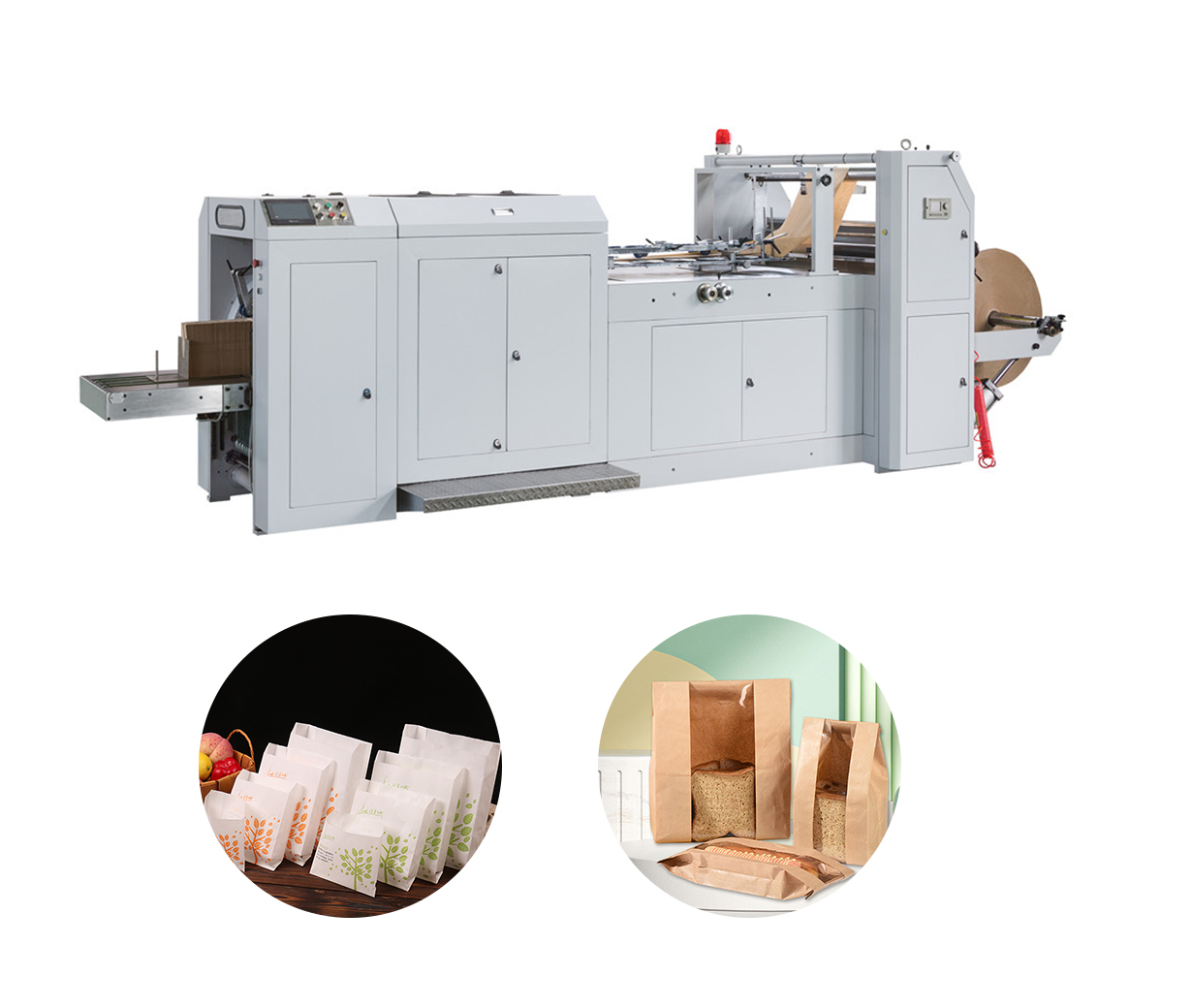
Many paper bags include plastic windows or film coatings for product visibility or moisture barriers. Adhesive selection here is critical:
Paper plastic glue is specially formulated to bond paper to polyethylene (PE) or polypropylene (PP) films.
Hot melt adhesives also work well for attaching plastic windows due to their fast setting and strong bonds.
Water-based adhesives generally don't bond well to plastic films unless specially modified.
Ensuring chemical compatibility prevents peeling and maintains the bag’s integrity during use.
Tip: Always test adhesive compatibility on your specific paper and film materials before full-scale production to avoid bonding failures and ensure machine efficiency.
Proper adhesive application is essential for paper bag making machines to produce strong, durable bags efficiently. Different parts of the bag require specific adhesives and application methods to ensure quality and functionality. Let’s explore the common adhesive uses in various machine processes.
Paper tube forming is the initial step in making paper bags, where the paper sheet is folded and glued into a tube shape. The choice of adhesive depends largely on the paper type:
Laminated Paper: Hot melt adhesives are preferred. They bond quickly, handle the smooth surface well, and keep up with fast machine speeds. Hot melt glue’s instant setting reduces machine downtime.
Kraft Paper: Water-based adhesives are commonly used here. They soak into the porous kraft paper, creating a strong bond. Though water-based glues dry slower than hot melt, they are eco-friendly and safe, especially for food bags.
Using the correct adhesive here ensures the tube holds its shape and withstands further processing.
Many paper bags feature plastic windows to display contents. Attaching these windows securely requires specialized adhesives:
Paper Plastic Glue: This water-based adhesive is designed to bond paper to polyethylene (PE) or polypropylene (PP) films. It offers strong adhesion and flexibility, preventing peeling or delamination.
Hot Melt Adhesives: For full-opening plastic windows, double-shot hot melt glue is often used. Its fast drying and strong bonding suit the dual surfaces of plastic windows.
Correct glue selection prevents window detachment during handling or use, preserving bag integrity.

The square bottom is critical for bag stability and load-bearing. Adhesives here must create a strong, flexible seal over a relatively large area:
Paper Plastic Glue: Ideal for laminated or drench film papers, this adhesive provides excellent bonding over smooth surfaces. It dries quickly and maintains flexibility, preventing cracks.
Hot Melt Adhesives: Though strong, hot melt glue is less suitable for large bottom areas due to dispensing challenges and potential brittleness.
Choosing the right glue ensures the bag bottom stays intact during filling and transport.
Different machine operations demand adhesives with specific properties:
Machine Process | Adhesive Type | Key Requirements |
|---|---|---|
Paper Tube Forming | Hot Melt (laminated), Water-Based (kraft) | Fast setting, strong initial tack |
Plastic Window Attachment | Paper Plastic Glue, Hot Melt | Strong adhesion to plastic, flexibility |
Square Bottom Sealing | Paper Plastic Glue | Large area coverage, flexible bond |
Handle Attachment | Hot Melt, Synthetic Resin | High strength, moisture resistance |
Understanding these differences helps optimize adhesive selection, improving machine efficiency and bag quality.
Tip: Always match adhesive type and application method to the specific paper material and machine process stage to avoid bonding failures and maximize production speed.
Choosing the right adhesive for your paper bag making machine is more than picking a strong glue. Several factors influence the best choice for your production needs. Let’s break down the key considerations.
Your adhesive must work smoothly with your machine. High-speed automatic machines need adhesives that dry fast and flow well through glue rollers, nozzles, or spray systems. If the glue is too thick or foams, it can clog the equipment and cause downtime. Water-based adhesives often suit fast lines because of their stable viscosity and low splashing. Hot melt adhesives also work well but require specialized applicators.
For semi-automatic or slower machines, you have more flexibility. Still, the adhesive should not cause stringing or residue buildup that slows production.
Not all paper bags need the same bond strength. Lightweight bags for dry goods may only need moderate adhesion, while heavy-duty courier bags or bags carrying liquids require very strong, durable bonds. Consider the bag’s use and weight capacity:
Side seams and bottom seals must hold tight under stress.
Handle attachments need high-strength glue to prevent tearing.
Multi-layer or laminated bags often need adhesives that bond different materials securely.
Testing the adhesive on your actual bag materials under real conditions helps ensure it meets your strength needs.
Drying speed directly impacts how fast your machine can run. Fast-setting adhesives reduce wait times and increase throughput. Hot melt adhesives solidify almost instantly, making them great for high-speed lines. Water-based adhesives dry slower but modern formulations balance drying time and bond strength well.
Too fast drying can cause nozzle clogging or poor glue transfer. Too slow slows production and raises energy costs. Choose an adhesive with drying speed matching your machine’s pace.
Eco-friendly adhesives are in high demand. Water-based and starch-based adhesives emit low volatile organic compounds (VOCs) and are often biodegradable. They fit well with sustainable packaging goals.
Hot melt adhesives have low emissions but rely on synthetic polymers. Some synthetic and resin adhesives may contain solvents or chemicals less favored by green brands.
Check certifications and safety data sheets to align adhesive choice with your environmental policies.
Viscosity affects how easily the adhesive spreads and sticks. Too thick glue may cause uneven application or machine jams. Too thin glue can drip or fail to bond well.
Stable viscosity across temperature changes ensures consistent application. Suppliers often tailor adhesives to your machine’s requirements to optimize runnability.
Good supplier support can save time and money. Look for manufacturers offering:
Technical advice on adhesive selection.
On-site testing or sample provision.
Troubleshooting help for machine compatibility.
Consistent quality and timely delivery.
A strong partnership helps you adapt adhesives as production needs evolve.
Tip: Always perform trial runs using your machine and materials before full-scale adhesive adoption to ensure compatibility, bonding strength, and efficient drying meet your production goals.
Choosing the right adhesive means understanding the strengths and weaknesses of each type. Let’s break down the pros and cons of the most common adhesives used in paper bag making.
Pros:
Eco-friendly and safe for food packaging due to low toxicity and odorless nature.
Good bonding on porous materials like kraft paper.
Compatible with high-speed machines because of stable viscosity.
Easy to clean and handle since water is the solvent.
Cons:
Slower drying time compared to hot melts, which can limit production speed.
Poor water resistance unless modified with additives.
Can freeze or degrade in very low temperatures.
May cause paper wrinkling or curling if applied excessively.
Water-based adhesives are best when environmental concerns and food safety are priorities, but slower drying is a trade-off.
Benefits:
Rapid setting time boosts production efficiency on fast machines.
Strong, durable bonds suitable for heavy-duty bags and handles.
Excellent resistance to moisture and temperature changes.
No solvents involved, reducing VOC emissions.
Limitations:
Requires specialized heating and application equipment.
Glue viscosity and flow must be carefully controlled to avoid stringing or clogging.
Continuous heating can degrade adhesive if not managed properly.
Less flexible for large surface areas like square bottoms.
Hot melts excel in speed and strength but need precise handling and equipment investment.
Strengths:
Specifically formulated to bond paper to plastic films like PE or PP.
Provides flexible, strong adhesion that resists peeling and cracking.
Good initial tack and relatively fast drying compared to water-based glue.
Environmentally friendly water-emulsion base, non-toxic and odorless.
Weaknesses:
Drying slower than hot melts, which may slow production.
Less suitable for bonding purely paper-to-paper surfaces.
Requires careful application to avoid uneven glue lines or machine jams.
May need curing time to reach full strength.
Paper plastic glue is ideal for bags with plastic windows or film coatings but less versatile for other uses.
Adhesive Type | Strengths | Limitations | Best Use Cases |
|---|---|---|---|
Water-Based | Eco-friendly, safe, good for porous paper | Slow drying, less water resistant | Food bags, kraft paper bags |
Hot Melt | Fast setting, strong, moisture resistant | Requires special equipment, less flexible | Heavy-duty bags, handle attachment |
Paper Plastic Glue | Bonds paper to plastic, flexible, good tack | Slower drying, less versatile | Plastic windows, laminated bags |
When selecting, consider your production speed, bag design, and material compatibility. For example, if you need fast production of heavy-duty bags, hot melt adhesives are excellent. For eco-friendly food packaging, water-based adhesives are preferable. Paper plastic glue fits best when plastic windows or coatings are involved.
Tip: Test adhesives under your actual production conditions to balance bond strength, drying time, and machine compatibility before full-scale use.
Starch-based adhesives have made significant advances recently. Modified starches from corn, potato, or tapioca now offer better bonding strength and faster drying times. These improvements make starch adhesives more competitive with synthetic options while keeping their natural, biodegradable qualities. Manufacturers can reduce costs and environmental impact by switching to these high-performance starch glues without sacrificing product durability.
The demand for sustainable packaging drives adhesive innovation. New water-based and starch-based formulations minimize volatile organic compounds (VOCs) and eliminate harmful solvents. Some adhesives now use bio-based polymers and additives that improve biodegradability and compostability. These eco-friendly adhesives meet strict food safety standards and help brands align with green initiatives, appealing to environmentally conscious consumers.
Adhesive technology keeps evolving to meet complex paper bag designs and materials. Hybrid adhesives combine the benefits of water-based and hot melt glues, providing fast drying, strong bonds, and flexibility. Nano-additives enhance adhesion by improving surface wetting and resistance to moisture or temperature stress. Smart adhesives that adapt to different substrates optimize bonding on laminated, coated, or recycled papers, ensuring consistent quality.
Several brands have successfully implemented sustainable adhesives in their production lines:
A European kraft bag manufacturer switched to a modified starch adhesive, reducing carbon footprint by 30% while maintaining bag strength.
A food packaging company adopted a bio-based water-emulsion adhesive that complies with FDA food contact regulations, enhancing safety and sustainability.
An industrial bag producer uses a hybrid adhesive system that lowers energy consumption during drying and improves machine uptime.
These examples show that sustainable adhesives can deliver both environmental benefits and production efficiency.
Tip: Collaborate closely with adhesive suppliers to explore customized sustainable formulations tailored to your paper bag materials and production needs, boosting both eco-friendliness and performance.
Choosing the right adhesive for your paper bag making machine involves balancing bonding strength, drying speed, and material compatibility. It is important to consider environmental impact alongside cost and performance. Innovations in sustainable adhesives promise improved durability and eco-friendliness for future paper bag production. GOOD CHOICE offers high-quality adhesive solutions that deliver reliable bonds and support green manufacturing goals, adding value through expert service and tailored products. Trust GOOD CHOICE for efficient, sustainable adhesive needs.
A: Water-based, hot melt, starch-based, synthetic resin, pressure-sensitive, polyurethane, and animal-based adhesives are commonly used, each suited to different paper bag materials and designs.
A: Match the adhesive to the paper type—water-based or starch-based for kraft paper, synthetic resin or hot melt for laminated papers, and paper plastic glue for bags with plastic windows.
A: They are non-toxic, odorless, eco-friendly, and safe for food packaging, making them ideal for grocery and bakery paper bags.
A: Hot melt adhesives offer fast setting times, strong durable bonds, and moisture resistance, enhancing production efficiency and bag strength.
A: Yes, adhesives like hot melt dry quickly for high-speed machines, while water-based adhesives may require slower speeds due to longer drying times.
A: Eco-friendly adhesives like starch-based and water-based reduce environmental impact, support sustainability, and comply with food safety standards without compromising bond quality.
A: Ensure adhesive viscosity matches machine requirements, test compatibility with paper materials, and select adhesives with appropriate drying times to prevent clogging or weak bonds.