close
Choose Your Site
Global
Social Media
Views: 0 Author: Site Editor Publish Time: 2026-07-29 Origin: Site


In flexo printing, web width shows machine limits. Narrow web flexo printing uses materials under 20 inches. It makes labels, shrink sleeves, and small boxes. Wide web flexo printing uses materials over 40 inches. It works for big packaging, bags, and cardboard.
Plant managers review major Flexo Printing Processes closely. They check job length, material width, and changeover speed. Choosing the right flexo printing press is important. You must balance fast inline finishing with offline output. Modern print shops boost speed with the right setup.
Narrow web presses print small items like labels. They use paper under 20 inches wide.
Wide web presses print big bags and boxes. They use paper over 40 inches wide.
Narrow web machines change jobs very fast. They cut setup times a lot.
Central Impression drum systems align thin films. They keep stretchy plastic straight.
Narrow web presses cut and foil parts. They do finishing steps in one line.
Wide web presses print huge orders quickly. They use separate machines for finishing.
Buyers pick press sizes carefully. They look at space and equipment costs.
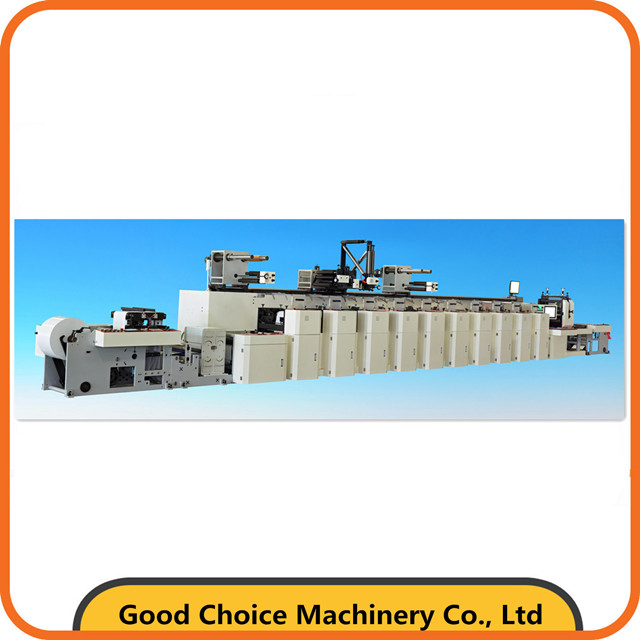
Packaging plants use modern flexo printing processes today. They turn raw materials into finished packages. GOOD CHOICE MACHINERY sells high-precision flexo printing machines. These machines meet global standards. Print teams pick machine setups carefully. They check material size and run length.
Factory rules group flexo presses by web width. Material width changes machine limits and drying power. It also changes total roll output speed.
Narrow web flexo printing presses use small rolls. Workers print labels, tags, and small boxes. They use these small machines for that.
Application Category | Width Threshold (Inches) | Width Threshold (Metric) |
|---|---|---|
Narrow Web Packaging | Under 20 inches | Approximately 50 cm (500 mm) |
Wide web flexo printing machines use wide materials. These rolls measure over 40 inches wide. Plants use them for big plastic film rolls. They also print paper bags and cardboard.
Machine shape changes color alignment and material choice. Press makers build three main body styles. These styles help with fast factory work.
Operational Dimension | Central Impression (CI) Flexo | Modular Inline Flexo |
|---|---|---|
Structural Setup | One main center wheel holds print tools | Separate print stations sit in a line |
Registration Control | Best alignment because rolls stick to drum | Alignment needs tight roll pull control |
Substrate Suitability | Great for thin, stretchy films and foils | Great for stiff boxes and hard board |
Footprint & Modularity | Small size with fast color setup time | Takes long floor space; easy to customize |
Inline machines place print tools in a row. Material moves straight through each color station. Workers add cutting, gluing, and stamping tools. They change straight rows for hard box jobs.
Central impression systems wrap film around one drum. Color parts circle this main center drum. This setup keeps print colors lined up well. Thin film stays flat on the metal wheel. The film does not stretch during print runs.
Stack presses stack print stations up high. This tall layout saves valuable floor space. Workers reach print decks easily for fast cleaning. They make machine fixes very quickly too. Stack machines print hard cardboard and film well.
Narrow web flexo printing helps special print shops. Workers change setup parts fast on light machines. Modern flexo printing processes use smart press design. This quick setup brings fast short run production.
Modern printing press machines reach very high speeds. Standard narrow web setups run fast. They reach 500 to 1,000 feet per minute. Advanced multi-servo systems keep dot alignment tight. They run up to 590 feet per minute. Fast mechanical speed cuts job waiting time.
Separate motor drives control moving film. They track film at every print station. These smart electronic systems adjust pull force constantly. Smooth tension stops film stretch. It protects complex flexo printing jobs. So, workers keep tight color alignment easily.
Workers finish extra steps in one print process. Inline rotary die-cutting tools cut paper labels smoothly. They work with extreme accuracy. Extra built-in parts add cool foiling quickly. They apply hot stamping and surface lamination directly. These steps happen right behind print decks.
Modular machine frames hold many print upgrades easily. Plant teams mix screen parts and offset tools. They add gravure heads along one press line. Flexible equipment improves total product finishing choices a lot.
Efficiency Note: Narrow web presses speed up setup steps. They make job changes 60% faster than wide-web tools.
Press Type | Setup & Changeover Time |
|---|---|
Narrow Web Flexo Press | 30 to 60 minutes |
Wide Web Flexo Press | 1 to 2 hours (up to 120 minutes) |
Presses use open fountain rolls now. They also use chambered doctor blades. Sealed chambers send fluid water-based formulas evenly. Liquid moves straight to mesh anilox rolls. Sealed fluid paths lower ink drying losses. This protects long daily print shifts.
Narrow web flexo printing uses energy-curable inks. Strong UV lamps dry liquid drops fast. LED curing stations freeze ink on smooth film. This instant drying stops messy color bleeding. It makes clean multi-color layers easily.
Big package plants use wide web flexo printing tools. They print huge factory orders. These strong machines handle long plastic film rolls easily. They also run wide paper sheets well. Factory owners get big perks. They make more goods fast. Smart roll tools help them work quickly.
Fast wide web flexo printing lines print fast. They speed up big job runs. Modern flexo machines run at great speeds:
Standard drum systems print 200 to 350 meters per minute.
Regular daily runs reach 250 to 350 meters per minute.
Top gearless machines reach 500 meters per minute fast.
Most modern machines run 300 to 600 meters per minute. They still make very clean prints.
Main drum wheels support thin film. Film wraps around one big steel drum. This strong frame stops thin film from stretching. So, print workers keep color lines matching well. This works across the whole wide material. GOOD CHOICE MACHINERY sells strong film and paper lines. They meet tough design needs for global buyers.
New flexo printing methods need strict ink control. Closed chamber doctor blade systems seal liquid paths.
System Feature | Targeted Ink Types | Operational Mechanism | Viscosity & Evaporation Impact |
|---|---|---|---|
Enclosed Chamber Design | Solvent-based & Water-based inks | Shields fluid from solvent or amine loss | Retains original fluid viscosity and stops chemical degradation |
This sealed liquid control gives key work perks:
Atmospheric Isolation: Closed chambers stop ink from touching room air.
Evaporation Reduction: It cuts liquid loss. It keeps ink mixed right.
Quality Control: It makes a steady ink layer. This aids precise printing jobs.
Fast hot air dryers dry liquid solvents fast. They dry ink after each color station. Strong fans pull away unsafe fumes quickly. Heat units cure thick ink fast before roll winding.
Soft plastic films stretch easily under uneven pulling. Big roll stands use smart load sensors. These parts control roll pull force continuously.
Turret stands swap old material rolls fast. The main flexo printing run never stops. Smart joining tools keep non-stop work with four parts:
Paster Roll Assembly: Electric arms push paper cleanly. They hit the new moving roll.
Dancer Roller Integration: Smooth rollers absorb big pull spikes during joins.
Core Detection: Digital sensors track old rolls. This step cuts material waste.
Tail-to-Leading-Edge Joining: Tape joins the old roll end to the new roll at top speed.
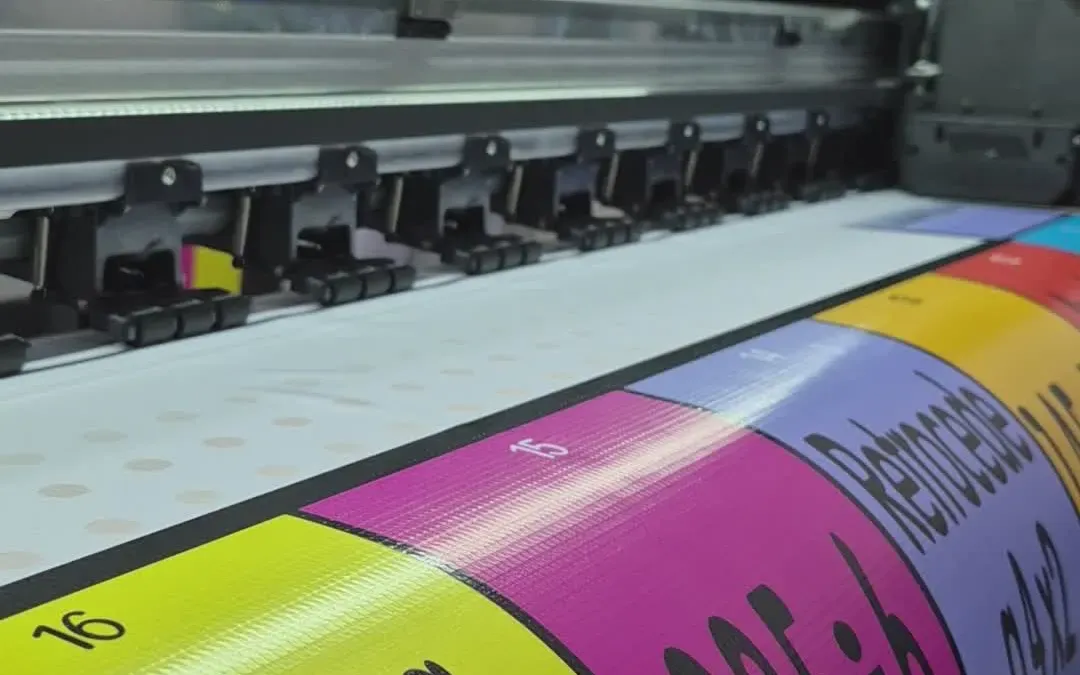
Engineers check print key numbers first. Bosses check run setup speed. They track scrap waste and power costs. Every machine type works very differently.
Total Efficiency = Changeover Speed + Waste Reduction + Utility Optimization
Fast setups raise daily machine output. Narrow web flexo printing tools swap fast. Wide systems need longer prep steps. Big heavy parts slow setup down.
One tech lifts small print cylinders easily. The tech glues print plates right on shafts. Wide machines use light hollow sleeve tools instead. Techs slide sleeves over air shafts fast. Sleeves speed up wide plate setups a lot.
Cleaning ink parts takes hard work. Workers wash small open ink trays by hand. Big machines run automatic washer loops. These systems flush closed ink chambers fast. Auto washing saves time on color changes.
️ Process Insight: Automated washing systems reduce ink cleanup time on large presses, but small chambers on compact lines require less cleaning fluid per cycle.
Start rates set profits for print jobs. Machine size changes scrap use during alignment.
Workers adjust roll pulls and color lines. Small presses run shorter film paths. Workers waste very few paper meters. Wide lines run long paper paths. First alignment steps waste more film scrap.
Matching colors needs exact ink thickness steps. Workers check pumps and fluid sensors often. Flexo printing presses keep color best. Ink flows through mesh rolls smoothly. Workers fix ink tanks to stop color shifts.
Plant managers plan shop floor space carefully. Machine sizes set needed floor space limits. Power needs change by press type too.
Feature / Specification | Narrow Web Flexo Presses | Wide Web Flexo Presses |
|---|---|---|
Tension Control & Unwind/Rewind | Utilizes standard unwind and rewind mechanisms equipped with basic tension regulation. | Features heavy-duty unwind and rewind systems integrated with fully automated tension control. |
Drying Capacity & Technology | Employs UV, infrared (IR), or standard hot air drying setups suited for smaller surface areas. | Implements high-capacity hot air, thermal, and advanced drying systems designed for wide-format, high-speed output. |
Small presses need very small rooms. Workers put these lines in tiny spaces. Wide web flexo printing tools need big plant bays. Drum wheels need strong floor slabs. High room ceilings are vital too.
Dryer tools use lots of power. Small lines use UV lamps to cure ink. Wide web flexo printing lines use big gas heaters. Solvents evaporate into hot air fast. Plant owners run air exhaust units. They obey air clean laws daily.
Knowing work facts helps owners pick tools. Quick setups help run small jobs best. High film waste hurts short runs. Matching jobs to machines boosts plant output.
Factory buyers compute returns before buying new machines. Press owners check material costs and setup times. They also check total daily output. The right choice boosts plant profits. It also cuts waste.
Run length drives press profits. Short jobs need quick setups to make money. Long runs need top speed across wide rolls.
Small jobs gain from lower initial setup costs. Operators swap light tools fast between small orders.
Lower Initial Setup Costs: Narrow web setups lower upfront costs. This gives a budget-friendly choice for small runs.
Reduced Inventory Overhead: Printing as needed cuts high minimum orders. It also lowers extra stock storage costs.
Large plants run big orders on wide machines. These big machines make thousands of square meters hourly. This table shows key money differences across machine types:
Press Type | Production Volume Capacity | Financial Impact |
|---|---|---|
Narrow Web | Smaller batch sizes / run sizes | Cheap for small orders without big scale |
Wide Web | High-volume production runs | Raises savings per unit by using wide rolls |
Material thickness and surface dictate press frame choices. Engineers check material stretch and heat limits. They also check ink soak before buying tools. Modern flexo presses run clear films and foils well. They also run thick boxes easily.
Using UV inks on narrow presses speeds work up. It cuts equipment costs by dropping extra dryers. Small curing lamps freeze liquid ink fast on film.
Wide center drum presses support thin films. The main drum stops thin film stretch. Thick board and big bags need strong inline setups. They also need big hot air dryers.
Plant managers check finishing steps to aid workflow. Small gear excels at fast inline steps. Workers add cutters and foils on one frame. Raw material enters and leaves fully finished.
Wide web flexo printing usually splits print steps. Workers print big film rolls fast first. Then, heavy slitters and offline rewinders finish rolls. Split steps stop work jams during fast runs.
Bosses track all machine costs carefully. Buyers check power, scrap, and tool fees. Narrow web flexo printing cuts upfront costs. Wide lines cost more at first. Big runs make each package cheap later.
Cost Component | Narrow Web Impact | Wide Web Impact |
|---|---|---|
Initial Capital Expenditure | Lower upfront machine investment | Higher initial press capital required |
Tooling & Plates | Cheaper, smaller plate cylinders | Higher cost for wide sleeves and plates |
Energy Consumption | Low power draw for compact curing | High electrical and heating requirements |
Labor & Maintenance | Single operator manages inline steps | Dedicated team handles heavy press rolls |
Power and fixes change total plant profits. Small tools use small dryers. They need less power. Wide presses need big dryers. Fast speeds burn extra heat. Auto parts help workers run tools. Fast setups trim worker job steps.
Investment Tip: Buyers lower risk by picking proven press makers. Good sellers supply fast parts and training.
GOOD CHOICE MACHINERY sells certified flexo tools to foreign plants. They offer tech help and setup globally. Top building standards keep presses working well. Fast help cuts repair waiting time. Good training cuts setup waste for shops. Working with experts makes machine care easy.
Picking a press fits factory goals. Narrow web flexo changes fast. It finishes small short runs. Wide web flexo prints fast. It runs big film rolls. Managers check paper and job lengths. They review printing needs first. GOOD CHOICE MACHINERY helps global plants. They sell certified flexo machines. The firm gives worker training. They offer overseas technical support.
Narrow web flexo presses process substrates under 20 inches (500 mm) wide. Wide web flexo presses handle continuous materials exceeding 40 inches (1000 mm) wide.
| Web Classification | Width Threshold (Inches) | Width Threshold (Metric) | | : | : | : | | Narrow Web | Under 20 inches | Under 500 mm | | Wide Web | Over 40 inches | Over 1000 mm |
Small presses use light tools. They use tiny ink setups. Their frames stay small. Workers swap parts by hand fast. This cuts prep time. It saves 60% time. Large tools take longer.
Central Impression (CI) flexo presses lock thin films on one drum. The big wheel holds film tight. This stops stretchy material from pulling. Colors match well. Lines stay neat at top speeds.
Small presses use UV lamps. These lights dry ink fast. Wide presses use air heat tunnels. Big dryers evaporate liquid solvents fast. They dry moving rolls quickly.
Tech Tip: LED-UV drying stations consume less power and emit lower heat, protecting heat-sensitive film substrates.
Big lines keep printing separate. They split printing from cutting. This keeps line speed high. Workers print huge rolls first. Fast offline cutters slice rolls later.
GOOD CHOICE MACHINERY exports CE and ISO9001 certified flexo presses worldwide. Their team customizes machines fast. They offer overseas setup. They teach local workers. They help global plant teams daily.